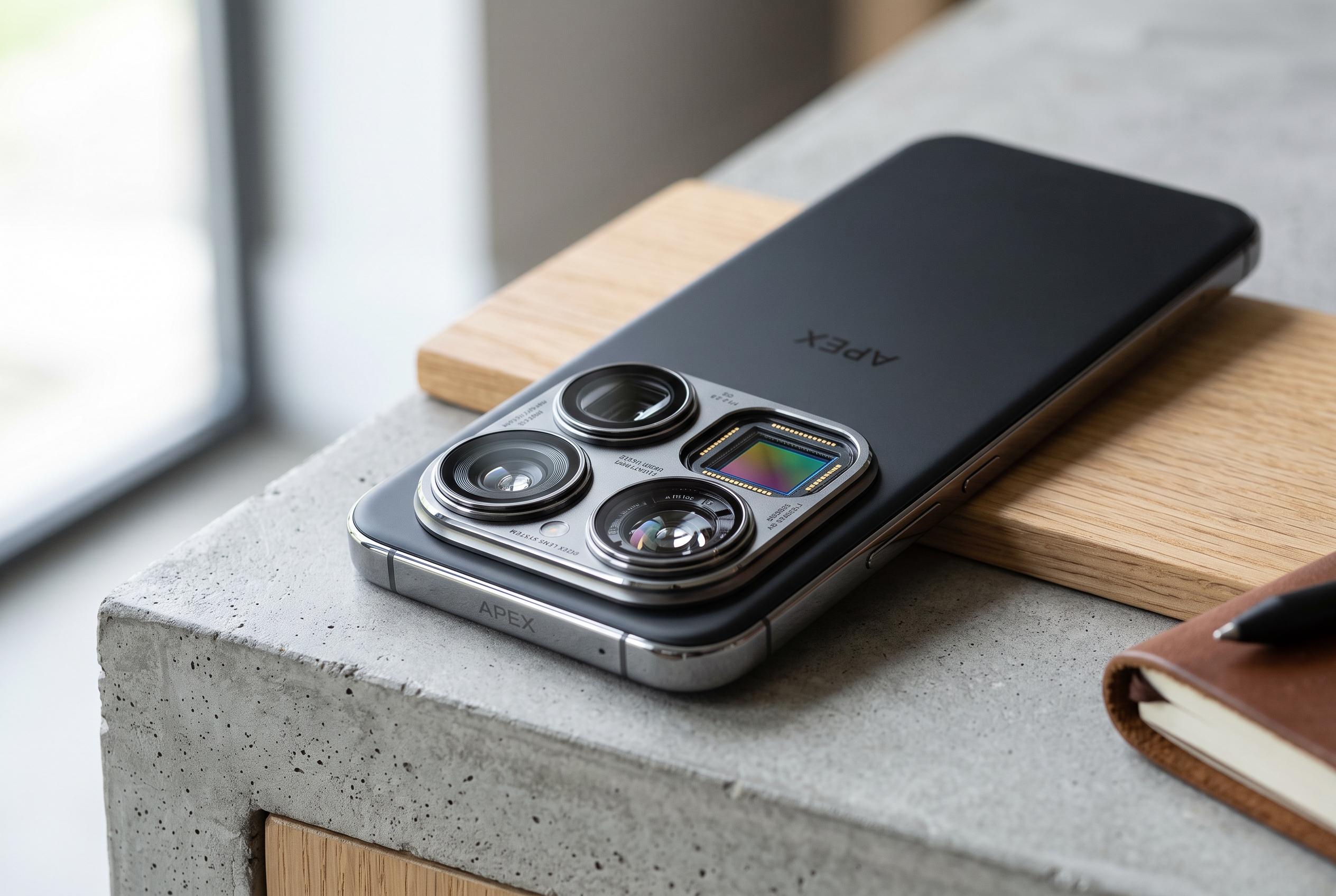

In 2026, smartphone camera rankings are driven by overall system quality, with flagship models from Oppo, Vivo, Xiaomi, Samsung, Huawei and Google leading the way through advanced sensor design, optics and processing, transforming mobile photography standards.
Smartphone camera rankings in 2026 are being shaped less by headline megapixel counts and more by the quality of the whole imaging system. Sensor size, lens design, zoom architecture, stabilisation and image processing now matter as much as raw resolution. That shift has widened the gap between mainstream flagships from Apple, Samsung and Google, and specialist photography phones from Oppo, Vivo, Xiaomi and Huawei.
At the top sits the Oppo Find X9 Ultra, which combines a 200MP main camera, a 200MP telephoto, a 50MP ultra-wide and a separate 50MP 10x optical telephoto module. According to the source material, the hardware is matched by strong real-world results, with TechRadar and Android Central both rating it among the best camera phones they had tested. Its appeal is breadth as much as reach: it is designed for travel, portraits, architecture and distant subjects, without leaning too heavily on digital crop.
Vivo’s X300 Ultra takes a slightly different approach. Its 35mm-equivalent main camera is unusual for a smartphone and gives images a more natural field of view, closer to a traditional camera. That is paired with a 200MP telephoto at about 85mm and a 14mm ultra-wide. The Verge described it as having the best cameras in any phone, praising the consistency of the system and the strength of the ultra-wide lens. For many photographers, especially those who prefer more natural focal lengths, it may be the most satisfying all-rounder.
Xiaomi’s 17 Ultra is the most overtly enthusiast-focused model in the group. It uses a 1-inch-type 50MP main sensor with Leica optics and LOFIC HDR, alongside a 200MP telephoto with a mechanically adjustable optical system that spans roughly 75mm to 100mm. That gives it a more camera-like handling of portrait and street photography than phones that rely mainly on fixed telephoto modules and software filling. Review coverage cited in the source material has been notably strong, although Apple still holds the edge for many users whose priority is video rather than stills.
Among the mainstream flagships, Samsung’s Galaxy S26 Ultra remains the safest Android recommendation. Its camera array includes a 200MP main lens, a 50MP ultra-wide and dual telephoto cameras at 3x and 5x. In Tom’s Guide’s 200-photo comparison with the iPhone 17 Pro Max, Samsung came out ahead overall, particularly for daylight detail, dynamic range, macro shots and zoom. Apple’s phone, however, remains the clearer choice for video, thanks to highly consistent exposure, autofocus, stabilisation and colour behaviour across its cameras.
Huawei’s Pura 80 Ultra and Google’s Pixel 10 Pro XL complete a highly competitive field. Huawei’s variable-aperture main sensor and long-range telephoto system keep it among the best for low light and high-contrast scenes, but software and ecosystem limitations still affect its practicality in some markets. Google’s Pixel 10 Pro XL, meanwhile, continues to show the strength of computational photography, especially in colour accuracy and night shooting. A newer Pixel 11 Pro line was unveiled on 12 August 2026, but independent camera testing is not yet sufficient to place it above the phones already on sale.
Disclaimer: This content is intended for informational purposes only. Readers are advised to exercise their own judgement, conduct due diligence, or consult a qualified expert before acting on any information provided.