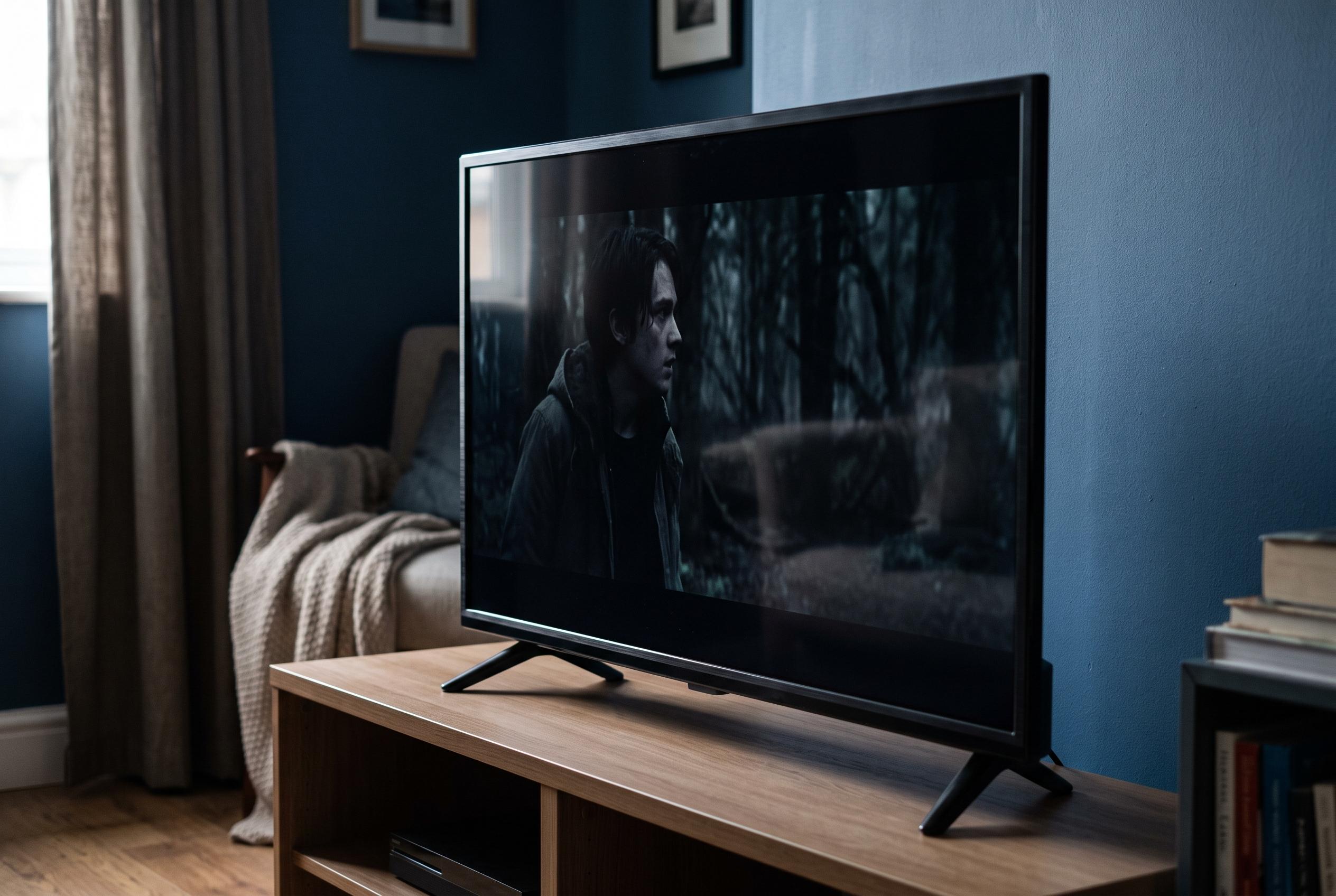

While budget-friendly LED televisions are suitable for casual or secondary rooms, their limitations in contrast, black levels, and high-end features make them less ideal as primary displays for demanding viewing or gaming experiences, especially in dark rooms or for enthusiasts seeking high performance.
A conventional LED television can still be a sensible purchase, but only in the right circumstances. As RTINGS explains, these sets are based on LCD panels with LED backlighting, which makes them relatively inexpensive to produce and usually easier to sell at large screen sizes. That price advantage remains their main appeal, especially when the priority is simply to get a decent-sized television without spending on more advanced panel types.
That makes them a practical option for secondary rooms and occasional use. In a guest bedroom, kitchen or holiday home, the case for an OLED or MiniLED model is weaker if the screen will be used only briefly or for basic viewing. Xataka notes that the same logic applies when the television is mainly for live broadcast content rather than films, gaming or high-end streaming.
The limitations are just as important. TechRadar and RTINGS both point out that LCD-LED televisions usually struggle to match OLED or MiniLED sets for contrast, black levels and off-axis viewing. In darker rooms, that difference is obvious, particularly with cinema content. LED models can therefore be poor value if the television is expected to serve as the main set in the home and used daily for demanding viewing.
Gaming is another area where cheap LED sets often fall short. Current consoles such as the PlayStation 5 and Xbox Series X can output 4K at 120 frames per second, but that requires a television with 4K resolution, a 120Hz panel and HDMI 2.1 support. As Digital Trends notes, not every LED television offers that combination, which means buyers may be paying less now but giving up performance that newer consoles can use.
The market is also more competitive than it once was. MiniLED and OLED models sometimes appear in promotions at prices close to mid-range LCD-LED sets, so the cheapest option is not always the best deal. Xataka’s examples reflect that shift: Xiaomi’s TV F is positioned as a budget-friendly LED choice, while TCL’s Q6C shows how a MiniLED set can deliver 120Hz refresh, HDMI 2.1 and broader HDR support for only a modest increase in cost.
Disclaimer: This content is intended for informational purposes only. Readers are advised to exercise their own judgement, conduct due diligence, or consult a qualified expert before acting on any information provided.