
As both tech giants unveil their latest flagship phones, Apple and Google adopt contrasting approaches to photography, Apple offers manual controls and professional features, while Google emphasises computational photography and AI-driven enhancements.
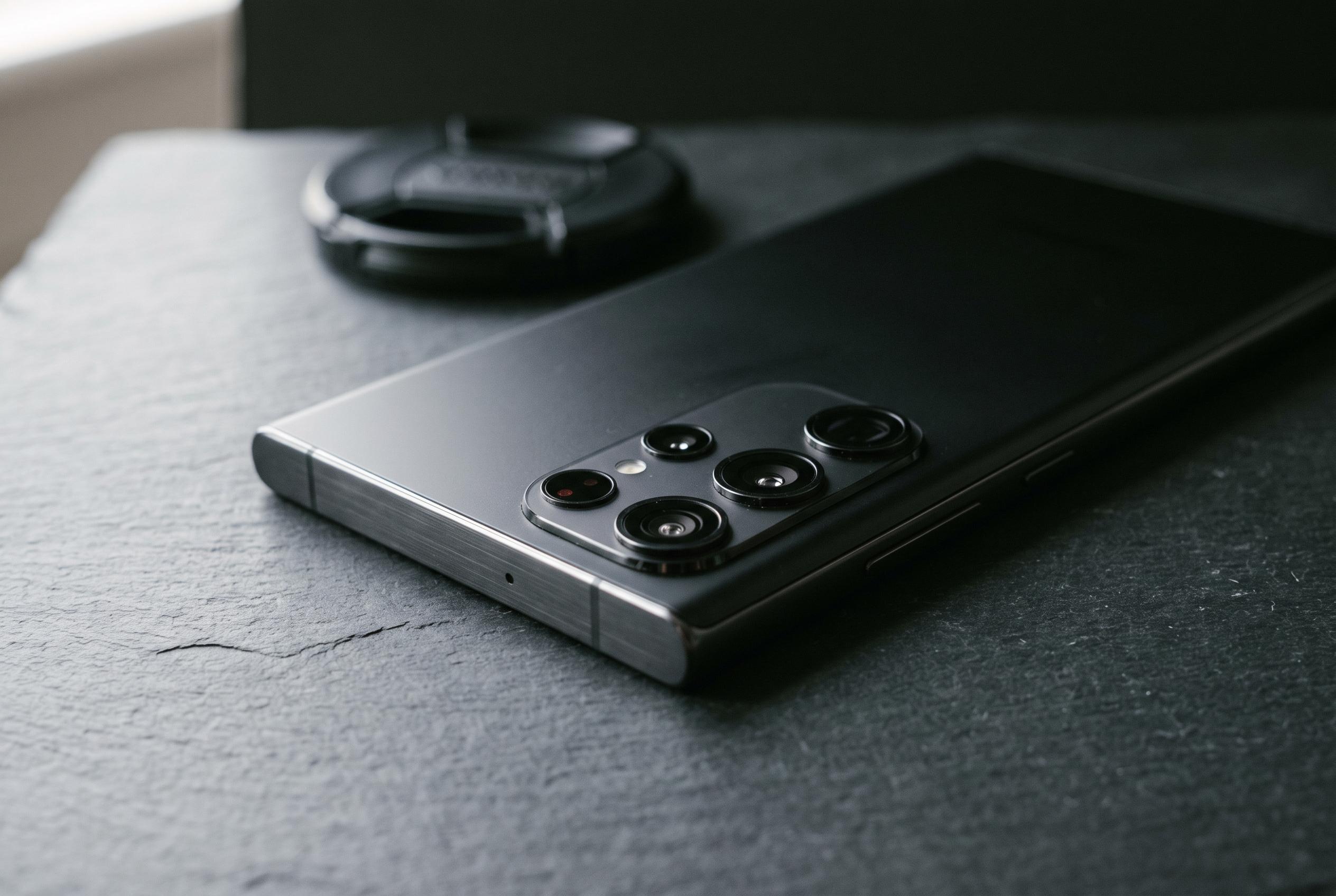
Apple and Google have taken opposite routes in their latest flagship camera phones, even as both now offer broadly similar hardware across their top two sizes. According to Engadget, the Pixel 11 Pro and Pro XL use a 50-megapixel main camera alongside 48-megapixel ultra-wide and 5x telephoto lenses, while the iPhone 18 Pro and Pro Max use three 48-megapixel rear cameras, including a 4x telephoto unit that can also deliver an 8x “optical-quality” image.
Google’s approach leans heavily on computational photography. Engadget says features such as Instant Night Sight speed up low-light shooting, while Pro Zoom extends digital zoom to 120x. The trade-off is that some results can look over-processed. A separate Android Central report on Magic Capture suggests Google is pushing further into AI-assisted image selection and processing, using Gemini to choose stronger stills from video in real time. That points to a wider Pixel strategy: let the software make more of the creative decisions.
Apple, by contrast, is giving users more direct control. Tom’s Guide reports that the iPhone 18 Pro series adds a variable-aperture main camera, along with manual controls for shutter speed and white balance, plus a histogram for exposure judging. Engadget notes that the aperture can be managed automatically for less experienced users, but remains adjustable for more advanced shooters. PhoneArena’s comparison adds that this also gives Apple more flexibility over depth of field and low-light capture, bringing the Pro iPhone closer to what serious photographers expect from dedicated cameras.
Apple is also positioning the iPhone as a stronger defence against manipulated imagery. Engadget says its Reference Image feature creates a signed record of the sensor data, effectively preserving an unaltered version of the shot for later comparison. On video, the iPhone has the clearer advantage. Engadget reports support for 4K Dolby Vision at up to 120 frames per second, plus ProRes RAW, Apple Log 2, external recording and genlock. The Pixel 11 Pro can reach 8K through Video Boost and includes Night Sight Video and Pro Stable Video, but Apple’s tools are aimed more squarely at professional production.
Disclaimer: This content is intended for informational purposes only. Readers are advised to exercise their own judgement, conduct due diligence, or consult a qualified expert before acting on any information provided.