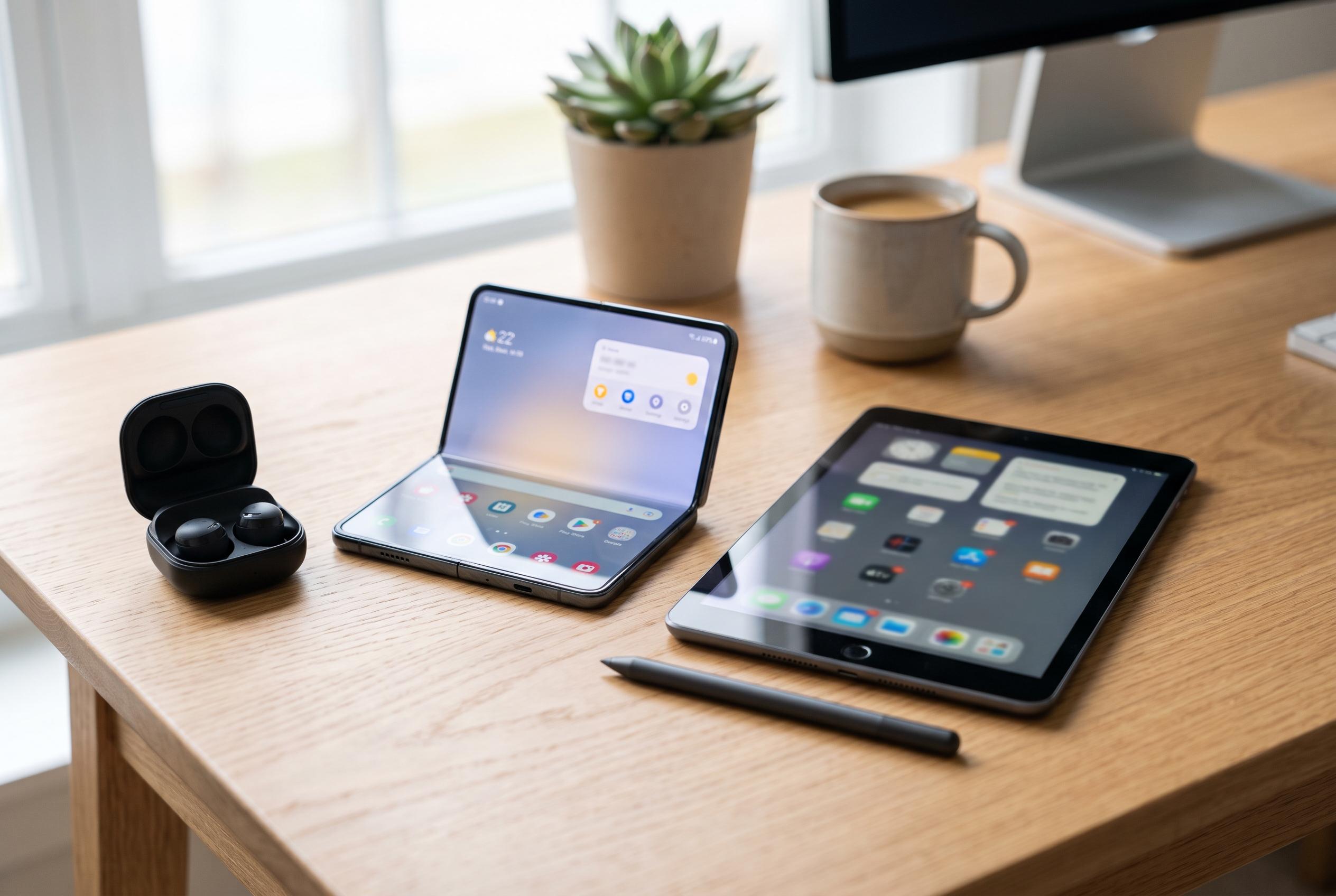

Apple’s imagined foldable flagship offers one-device convenience, but the iPhone 18 Pro and iPad mini combination promises stronger cameras, a larger screen and a lower combined price.
Apple’s imagined high-end choice here is less about which device is objectively superior than about how much complexity a buyer is willing to carry. The comparison sets a foldable iPhone Duo against two separate products, the iPhone 18 Pro and iPad mini, and the central argument is straightforward: a single device may be tidier, but a two-device setup can offer better value, better photography and a more capable tablet experience.
On price alone, the split-device route has an advantage. The iPhone Duo is listed at Rs 2,99,900 for the 256GB version, while an iPhone 18 Pro with 256GB storage is priced at Rs 1,64,900 and the Wi-Fi iPad mini with 128GB storage at Rs 82,900. Taken together, those two devices come in below the entry cost of the foldable phone, even before considering that the iPad gives users a separate screen for reading, media and work. That makes the two-device option easier to justify for buyers who do not mind carrying more than one Apple product.
The display trade-off is equally clear. The iPad mini’s 8.5-inch Super Retina XDR OLED panel offers more usable space than the iPhone Duo’s 7.6-inch inner screen, and it does so without the compromises of a folding design. The Duo does add a 5.36-inch outer display for quick tasks, which makes it more practical as a single pocketable device, but the tablet still has the advantage for sustained use, particularly where split-screen work, larger text and extended reading matter. The article also notes that the iPad mini is thin and light, yet it remains something that most people would carry in a bag rather than a trouser pocket.
Camera hardware is where the iPhone 18 Pro takes the lead. According to the specifications presented, it uses a triple 48MP Pro Fusion system, including a dedicated telephoto lens with up to 8x optical-quality zoom, whereas the iPhone Duo relies on a dual-camera arrangement with only up to 2x optical-quality zoom. Both devices are described as supporting advanced video features such as 4K recording at 120fps, Dolby Vision, Dual Capture and stabilisation tools, but the Pro model’s longer reach and more conventional slab design should make it the stronger choice for stills and handheld shooting. In practical terms, the extra lens gives the Pro more flexibility before software processing has to compensate.
Performance is presented as broadly equal across the three devices, with each using Apple’s A20 Pro chip on a 2nm process. That means the deciding factor is not raw compute power but software and form factor. The iPhone and the foldable handset run iOS 27, while the iPad mini uses iPadOS 27, which is positioned as the more capable multitasking platform, with support for floating windows, Split View, Slide Over and external display use. For users who want tablet-style workflows, the iPad mini remains the more specialised tool. For those who want the fewest items in a pocket, the iPhone Duo is simpler. For buyers who value photography, a larger tablet screen and a lower combined outlay, the iPhone 18 Pro and iPad mini pairing appears to be the more versatile combination.
Disclaimer: This content is intended for informational purposes only. Readers are advised to exercise their own judgement, conduct due diligence, or consult a qualified expert before acting on any information provided.