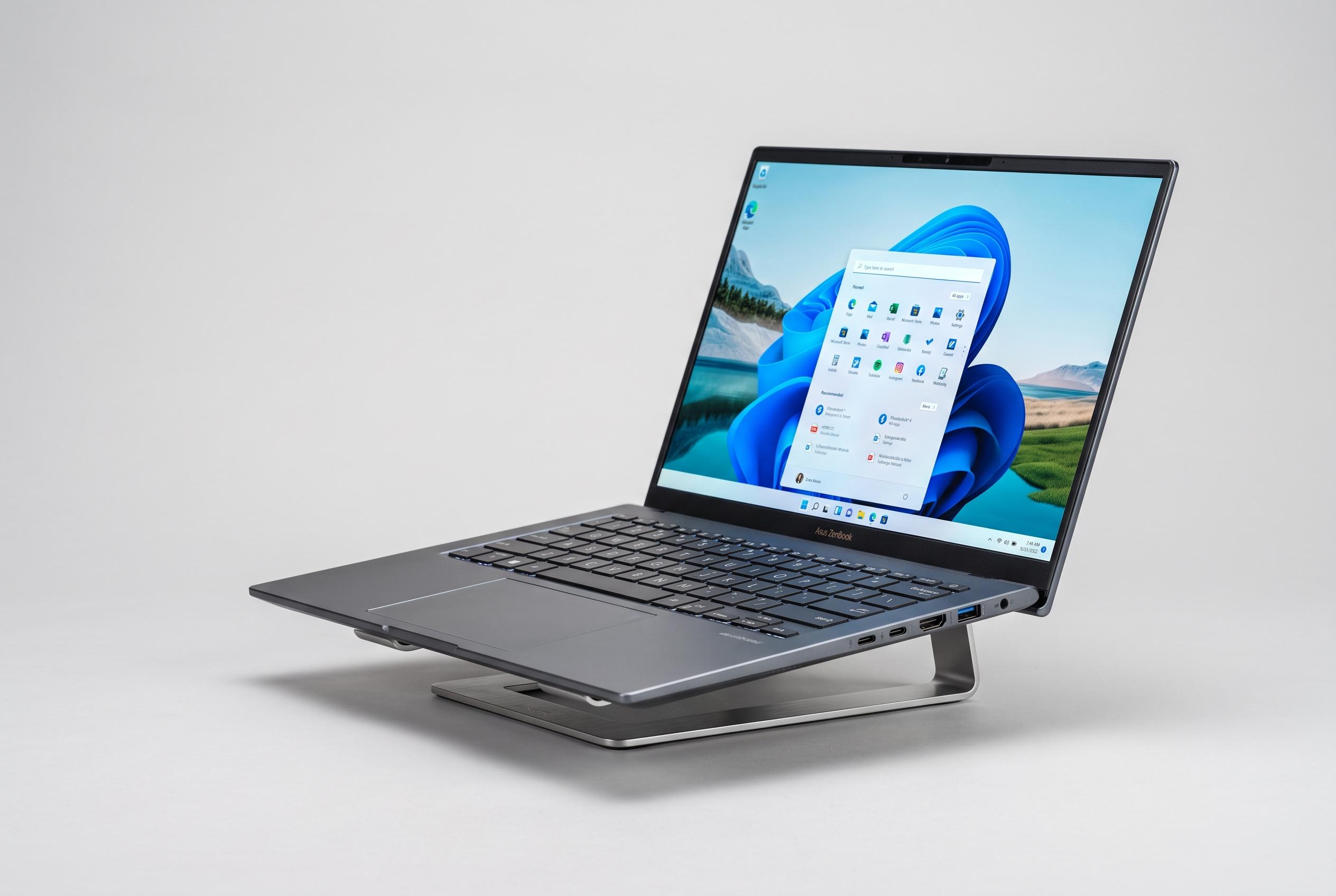

The Asus Zenbook A14 combines Snapdragon-based power, a vivid OLED display, and extensive ports in a remarkably lightweight chassis, redefining expectations for portable computing despite some thermal and price considerations.
Asus’s Zenbook A14 is a strong argument for the new generation of ultra-light Windows laptops. In PCMag’s testing, the machine combined fast Snapdragon-based performance, a sharp OLED screen, a generous port layout and exceptional battery life in a chassis that remains remarkably small. The trade-off is heat under load and a price that sits above some rivals, even if the overall package is still among the best in the ultraportable class.
Much depends on which version is available. Asus sells multiple configurations, and retail listings do not always match the company’s own website. The review sample used Qualcomm’s Snapdragon X2 Elite platform, 16GB of memory and a 512GB solid-state drive, while higher-end options add 32GB of RAM, 1TB of storage and Wi-Fi 7. Other reviews, including those from TechRadar and Windows Central, describe similarly premium variants, with one model weighing a little over 2.1 pounds and measuring about 16mm thick. That spread of options means buyers need to compare shop listings carefully before choosing.
The design is the laptop’s most immediate selling point. It is thin, very light and cleanly finished, with a minimalist look that feels more premium than its size suggests. But the thermal design has a cost. Under sustained work, the base becomes hot enough to make lap use uncomfortable, and that issue appears across the review sample’s daily use and benchmark testing. The laptop compensates with a better-than-expected set of ports, including USB-A, HDMI 2.1, USB4 and a headphone jack, which is unusual on such a slim machine.
Its 14-inch OLED panel is another major strength. Colours are vivid, blacks are deep and the 1,900 x 1,200 resolution is a practical fit for work and streaming. Keyboard feel is competent rather than luxurious, but the keys are responsive and the touchpad is large and accurate. Audio, webcam and microphone performance are also solid for a laptop this size. Windows Central likewise praised the display’s colour accuracy and brightness, while TechRadar highlighted the screen and the device’s overall polish.
Performance is where the Zenbook A14 becomes more interesting. In PCMag’s tests, it outpaced several competing ultraportables in multi-core CPU work and graphics tasks, while also delivering nearly class-leading endurance. It lasted 32 hours and 24 minutes in a standard battery test, enough for more than a full workday and often much longer. Still, Snapdragon compatibility remains the cautionary note: most mainstream productivity apps are fine, but some specialist software, games and creative tools can still be unreliable. For buyers whose programmes are already Arm-friendly, the Zenbook A14 is an unusually compelling blend of speed, portability and stamina.
Disclaimer: This content is intended for informational purposes only. Readers are advised to exercise their own judgement, conduct due diligence, or consult a qualified expert before acting on any information provided.