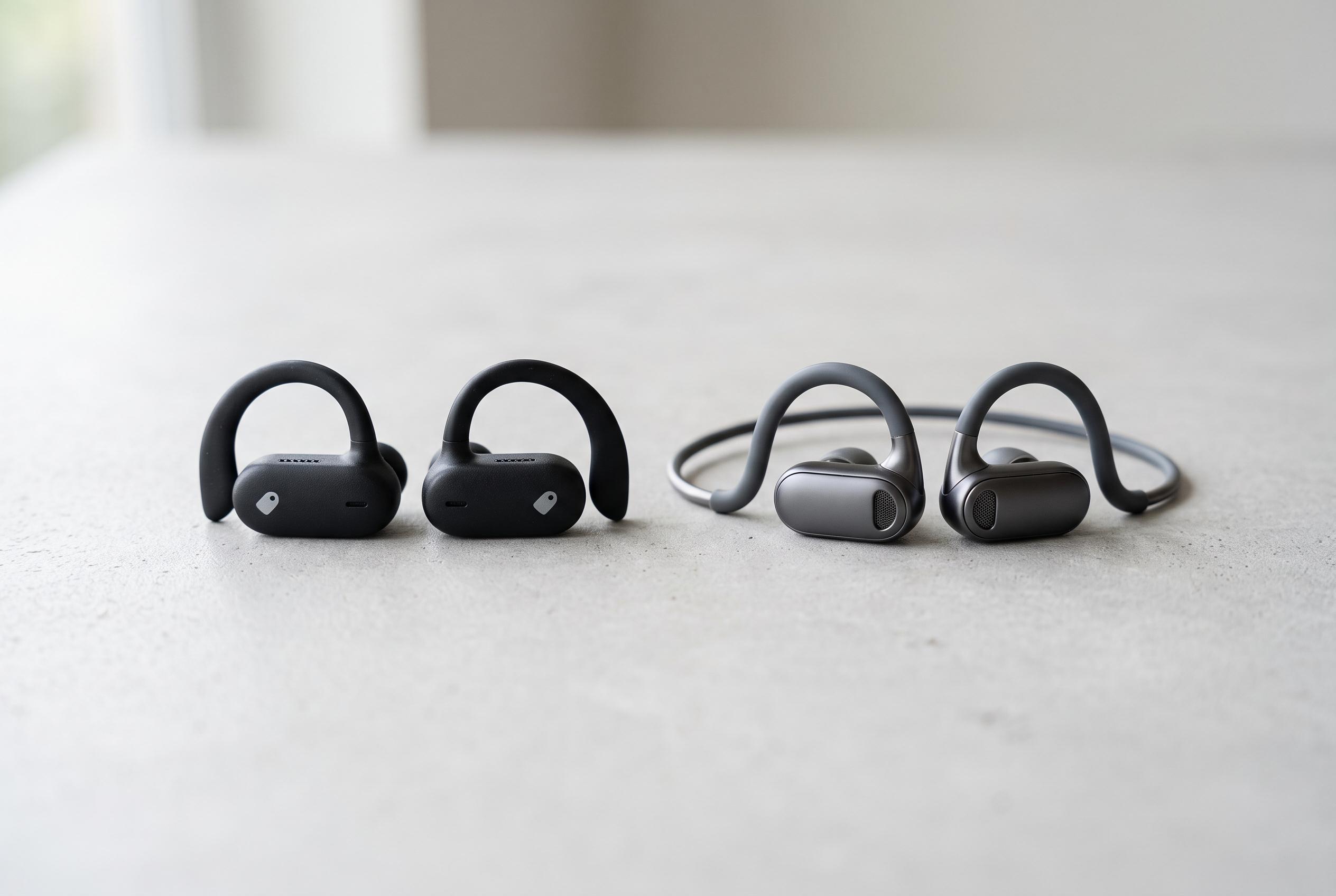

Open-ear earbuds are gaining popularity for offering awareness of surrounding sound without sacrificing music quality. While Bose remains a premium option, Beyerdynamic’s affordable Amiron ZERO emerges as a balanced alternative, challenging the notion that higher price equals better sound in this category.
Open-ear earbuds are no longer a niche curiosity. For commuters, office workers, runners and gym users, they offer something traditional in-ear models cannot: awareness of surrounding sound without completely sacrificing music. That trade-off has made them increasingly relevant as the category has matured, even if they still suit a narrower audience than conventional noise-cancelling earbuds.
The Tom’s Guide reviewer says the shift in opinion began after repeated testing of the Bose Ultra Open Earbuds, a premium open-ear model priced at $299. Bose’s design is comfortable and distinctive, and its spatial audio features add a more immersive feel than many rivals. But the same review argues that the sound can feel overly processed, with bass given too much emphasis and mid-range detail suffering as a result.
That assessment matters because open-ear designs face a structural limitation. Without a seal in the ear canal, low frequencies have less pressure to work with, which weakens bass response and allows more sound to escape. RTINGS and SoundGuys both note that this is a fundamental compromise of the format, even when manufacturers do a strong job of keeping the fit secure and the listening experience usable. In practice, the best open buds must balance clarity, comfort and awareness rather than chase the isolation of sealed earbuds.
Tom’s Guide says the Beyerdynamic Amiron ZERO is the model that finally delivered that balance. At $179, and now often discounted, it offers a clip-style fit similar to Bose’s but with greater flexibility, an IP54 rating for dust and splash resistance, and an app with adjustable EQ. The reviewer also highlights its more natural tuning, with cleaner highs and better overall detail, although battery life is shorter at 20 hours compared with Bose’s 27 hours.
The comparison underlines a simple point for buyers: higher price does not automatically mean better sound, especially in open-ear audio. Bose remains the more feature-rich option for users who value spatial audio and longer battery life, but Tom’s Guide argues that Beyerdynamic’s cheaper model is the stronger all-round choice for listeners who want a more balanced and less artificial presentation.
Disclaimer: This content is intended for informational purposes only. Readers are advised to exercise their own judgement, conduct due diligence, or consult a qualified expert before acting on any information provided.