
Recent tests reveal that lesser-known Bluetooth trackers like Chipolo POP outperform Apple’s AirTag in real-world location accuracy, highlighting the importance of network support over brand reputation.
The latest round of Bluetooth tracker testing suggests that the best-known name is not always the best performer. Stern’s comparison of five current models found that the Chipolo POP came out on top, narrowly ahead of the Android-only Ugreen FineTrack G, while Apple’s second-generation AirTag failed to live up to its reputation in the practical search tests.
The appeal of these small trackers is obvious: they are designed for the familiar moment when keys, wallets or bags have gone missing and time is short. They rely on Bluetooth close by, but when they are out of range they can tap into wider location networks run by Apple, Google or Tile, allowing nearby phones to relay their position anonymously and securely. Stern tested the devices in Hamburg’s Jacobipark using both an iPhone 14 and a Nothing Phone 3a, judging them on set-up, sound, build quality, safety and real-world locating performance.
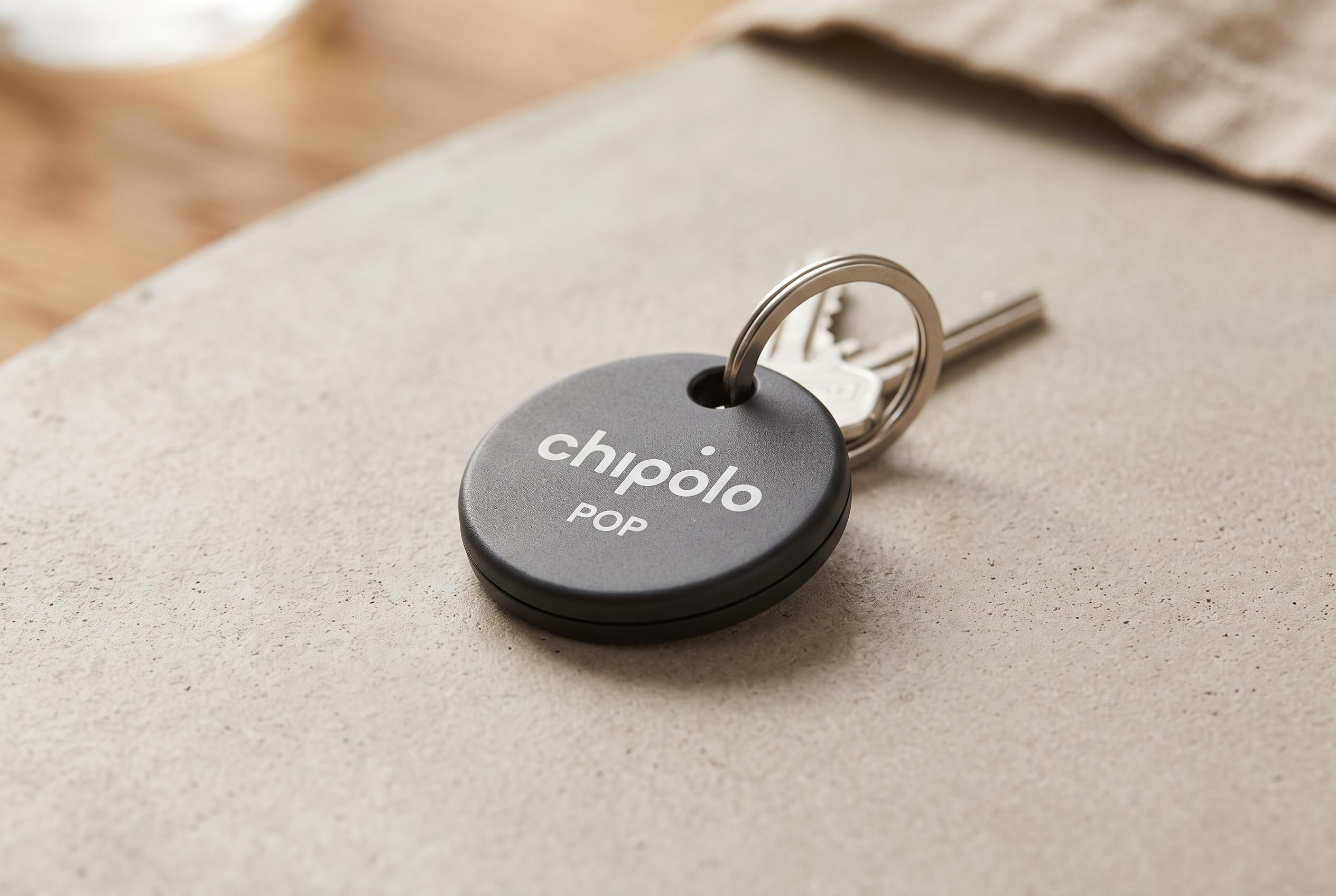
Chipolo’s POP was the strongest all-rounder. It was the easiest to track in the park, showed a precise position almost immediately and produced the loudest alarm in the test at 104.1 decibels. The reviewer also praised its quick set-up, replaceable battery and the fact that it works with both Apple’s “Find My” network and Google’s “Find Hub”. Its compromises are modest: the casing is plastic, there is no emergency-call function and its IP55 rating only covers splashes and dust, not immersion.
Ugreen’s FineTrack G finished second and stood out as a strong option for Android users. It uses an internal battery charged by USB-C, connected reliably to Google’s network and was easy to attach thanks to a broad loop. But it is limited to Android, carries no stated IP rating and lacks extra safety features. The budget Kukiho Tracker Tag was the surprise value pick, with a four-pack costing roughly €26, but its weaker sound and less accurate positioning held it back.
Apple’s AirTag, meanwhile, did well on finish and ease of pairing but not on the one job that matters most: finding the item quickly. Stern said it initially appeared in the wrong place, then moved around the park before finally being recovered after about 10 minutes. The Tile Mate from Life360 offered useful safety tools, including SOS support and crash detection, but it never properly connected during the search and has a fixed battery that cannot be replaced. The broader lesson from the test was blunt: a tracker is only as useful as the network behind it.
Disclaimer: This content is intended for informational purposes only. Readers are advised to exercise their own judgement, conduct due diligence, or consult a qualified expert before acting on any information provided.