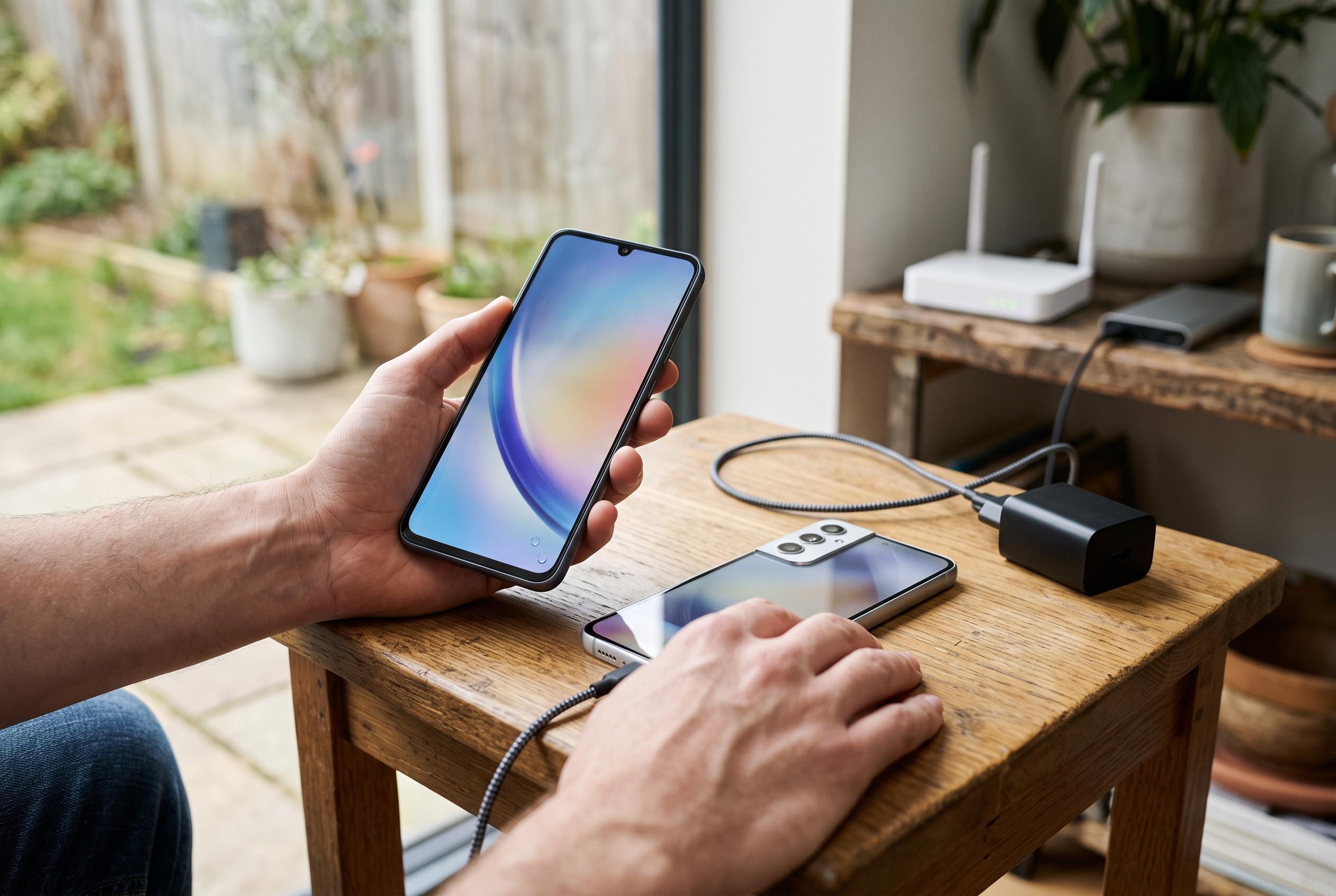

In 2026, affordable smartphones under $300 combine modern features like 120Hz screens, 5G, large batteries, water resistance, and extended software support, transforming budget buying with a range of options tailored to different needs.
In 2026, a phone under $300 is no longer a bare-bones compromise. According to recent reviews and product listings, buyers in this bracket can now find 120Hz screens, 5G, large batteries, water resistance and, in some cases, unusually long software support. The catch is that no single model excels at everything, so the best choice depends on whether the priority is longevity, battery life, display quality or camera flexibility.
Samsung’s Galaxy A17 5G is the clearest example of how far the budget tier has moved. PhoneArena says the device costs $249.99 in the US and pairs a 6.7-inch Super AMOLED panel with 5G, a 5,000mAh battery and a 50-megapixel main camera with optical image stabilisation. Its strongest selling point is Samsung’s promise of six generations of Android upgrades and six years of security updates. That makes it more attractive for buyers who intend to keep a handset for several years than many cheaper Android rivals.
Performance, however, remains modest. PhoneArena found that the A17 is best suited to routine use such as messaging, browsing, streaming and social media rather than demanding apps or heavy multitasking. That limitation matters because it shows how a long update policy can outweigh raw specifications for many users. A budget phone that receives support for years may be the safer purchase, even if it is not the fastest model on sale.
Motorola’s Moto G Power 2026 takes a different path. At $299.99, it uses a 5,200mAh battery, 30W charging and a 6.7-inch 120Hz LCD screen, while also offering IP68 and IP69 protection. PhoneArena reported battery test results of more than 18 hours, which places it among the stronger endurance phones in this price group. For buyers who spend long days away from a charger, or who work outdoors, that combination may matter more than premium display technology.
The trade-off is support and speed. Motorola lists security updates through January 2029, which is shorter than Samsung’s commitment on the A17, and the processor is not aimed at gaming or intensive workloads. Still, the Moto G Power 2026 has a straightforward appeal: it is designed to last through a long day, survive rougher conditions and keep the price just within the upper edge of the budget category.
The CMF Phone 2 Pro broadens the field further. In coverage cited by the lead article, it launched at $279 with a 6.77-inch AMOLED display, a 120Hz refresh rate, a MediaTek Dimensity 7300 Pro chip and a 5,000mAh battery with 33W charging. Its most notable feature is a telephoto camera, which gives it a more useful multi-camera setup than the decorative lens packages often seen on cheaper phones. That makes it a more interesting buy for users who care about both screen quality and photography.
Its limitations are practical rather than technical. Availability in the United States has been limited, so it is more relevant in markets where Nothing officially sells it. Nothing also offers a shorter upgrade commitment than Samsung, with three Android versions and six years of security updates. In other words, it is a stronger hardware play than a longevity champion.
Samsung’s Galaxy A26 5G sits close to the same price zone and is worth considering if it can be found at or below $300. The lead article notes a 6.7-inch Super AMOLED display, 5G, a 5,000mAh battery and the same long software promise as the A17. That makes it appealing for buyers who want a more capable Samsung without moving into mid-range pricing. The problem is that its original US price of $299.99 leaves little room for taxes or accessories, so it becomes a better value only when discounted.
The cheapest mainstream option in the group, the Moto G 2026, shows how much basic phones have improved. It offers a 6.7-inch 120Hz LCD screen, a 5,200mAh battery, 30W charging, 128GB of storage and a microSD slot. According to the lead article’s testing references, it can last beyond 19 hours in battery tests. The phone is best seen as a practical daily driver for calls, messaging, social media and streaming rather than a performance machine, especially since Motorola’s update window ends in December 2028.
Xiaomi’s Redmi Note 15 5G is more dependent on local market conditions. The lead article describes a 6.67-inch AMOLED display with a 120Hz refresh rate, a 108-megapixel main camera, a 5,520mAh battery, 45W charging and a Snapdragon 6 Gen 3 processor. That is an impressive specification set for the money, but regional pricing and network compatibility matter more than the headline features. For buyers in markets where Xiaomi has strong retail support, it is a compelling display-and-battery option.
The larger lesson is that budget buying has become more technical. A 120Hz screen is useful, but panel quality matters too. A large battery helps, but efficiency and software optimisation affect real-world endurance. A high-megapixel camera may look good on paper, yet stabilisation and processing often matter more. And for anyone planning to keep a phone for four years or longer, update policy is now a central part of the value equation, not a minor detail.
For most buyers, the answer is therefore situational rather than absolute. The Samsung Galaxy A17 5G is the safest long-term purchase. The Moto G Power 2026 is the battery and durability choice. The CMF Phone 2 Pro offers the most unusual feature set. The Galaxy A26 5G is compelling when discounted. The Moto G 2026 is the cheapest sensible pick. And the Redmi Note 15 5G makes the strongest case where Xiaomi’s local pricing and support are favourable. In 2026, the best phone under $300 is less about finding a single winner than matching the right trade-offs to the way the phone will actually be used.
Disclaimer: This content is intended for informational purposes only. Readers are advised to exercise their own judgement, conduct due diligence, or consult a qualified expert before acting on any information provided.