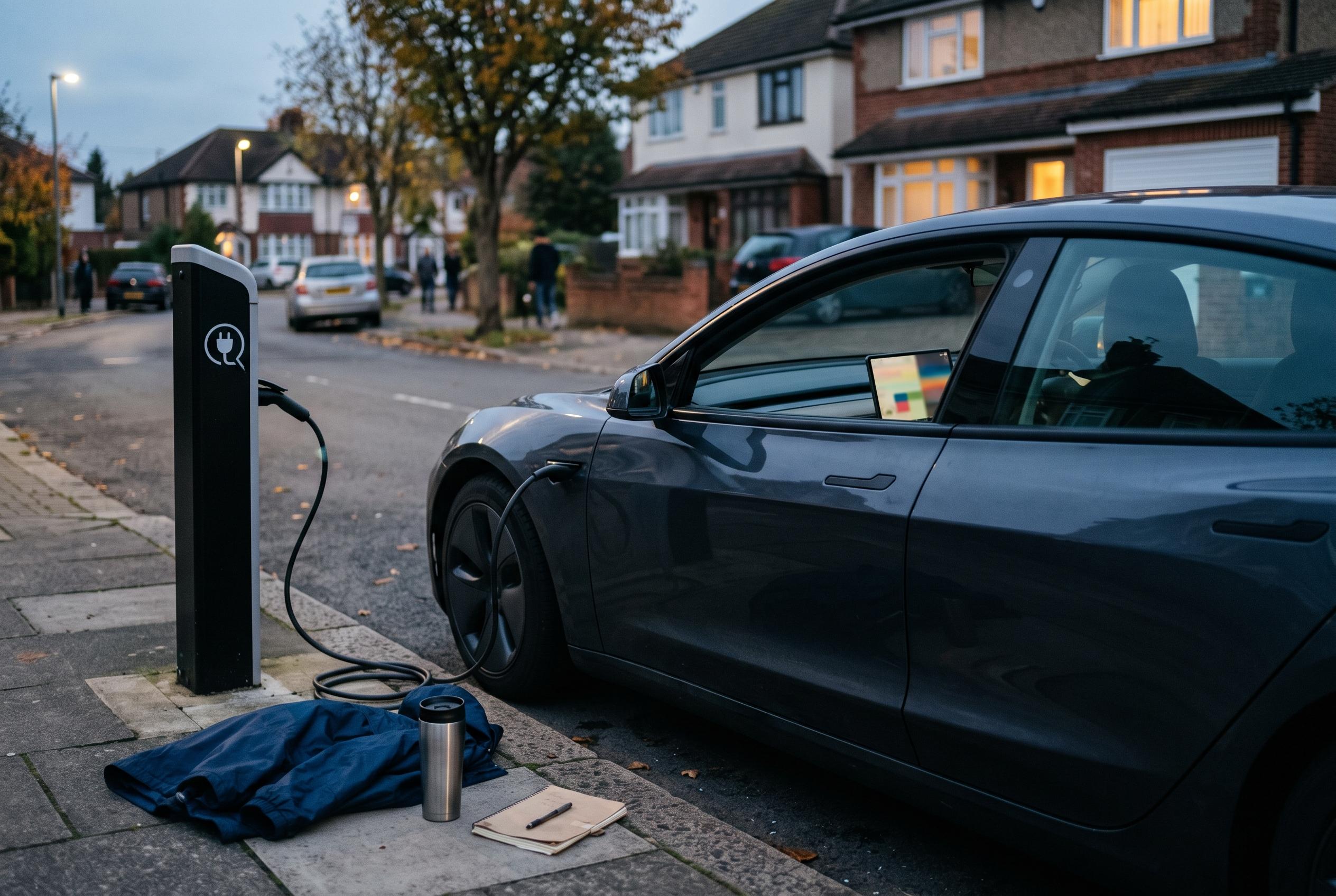

The BYD Han EV’s impressive range claim of over 1,000 kilometres is based on lab tests that overlook diverse real-world conditions, highlighting the importance of understanding practical capabilities instead of relying solely on optimistic figures.
The BYD Han EV’s headline-grabbing claim of more than 1,000 kilometres of range is best read as a laboratory figure, not a promise of effortless long-distance travel. In practice, the number comes from China’s CLTC test cycle, which is designed to produce generous results under mild conditions, low average speeds and limited use of energy-hungry systems such as heating and air conditioning. By contrast, more demanding standards such as the US EPA method usually return lower figures, and independent range comparisons for the Han indicate that real-world results are materially below the most optimistic headline claims.
That gap matters because electric-car range is shaped by physics as much as chemistry. Higher speeds increase aerodynamic drag sharply, while cabin heating can draw a meaningful and continuous power load in cold weather. EV comparison data for the Han shows that range can fall significantly on motorways and again when climate control is used, which helps explain why a vehicle with a four-figure CLTC rating may look much less dramatic once it leaves the test track. Reviews of the Han also note that the car’s official and estimated ranges diverge depending on speed, temperature and driving style.
Part of the appeal of such long-range claims is the battery size that sits behind them. The Han is linked in recent reviews to an 85.4 kWh Blade battery in some versions, while the broader market discussion around large-pack EVs points to the same trade-off: more capacity brings more range, but also more mass, higher cost and longer charging sessions. Guidance on battery sizing and charging times makes the same point clearly: a bigger pack may reduce how often the driver plugs in, yet it still has to be refilled, and charging speed depends on the battery’s temperature, state of charge and the power curve as it fills.
That makes the practical value of a 1,000 kilometre claim highly dependent on how the car will be used. The buyers most likely to benefit are those without dependable home charging, drivers in very cold climates or people covering long rural routes where chargers are sparse. Independent winter-range reporting on the Han supports that view, showing that cold conditions can cut usable range sharply. For commuters with access to overnight charging, however, a much smaller battery is often the better engineering choice because it is lighter, cheaper and more efficient for everyday use.
BYD’s charging technology has become part of the conversation too. Recent reporting on the company’s newer charging systems has focused on much faster peak rates and the idea that short stops could offset smaller batteries in future. But even that argument strengthens the case for looking beyond the brochure figure. A fast peak rate is not the same as a fast average charge, and the real question for buyers is not whether a car can post a spectacular number in a controlled test, but whether it can deliver consistent, practical mobility in the conditions they actually face.
Disclaimer: This content is intended for informational purposes only. Readers are advised to exercise their own judgement, conduct due diligence, or consult a qualified expert before acting on any information provided.