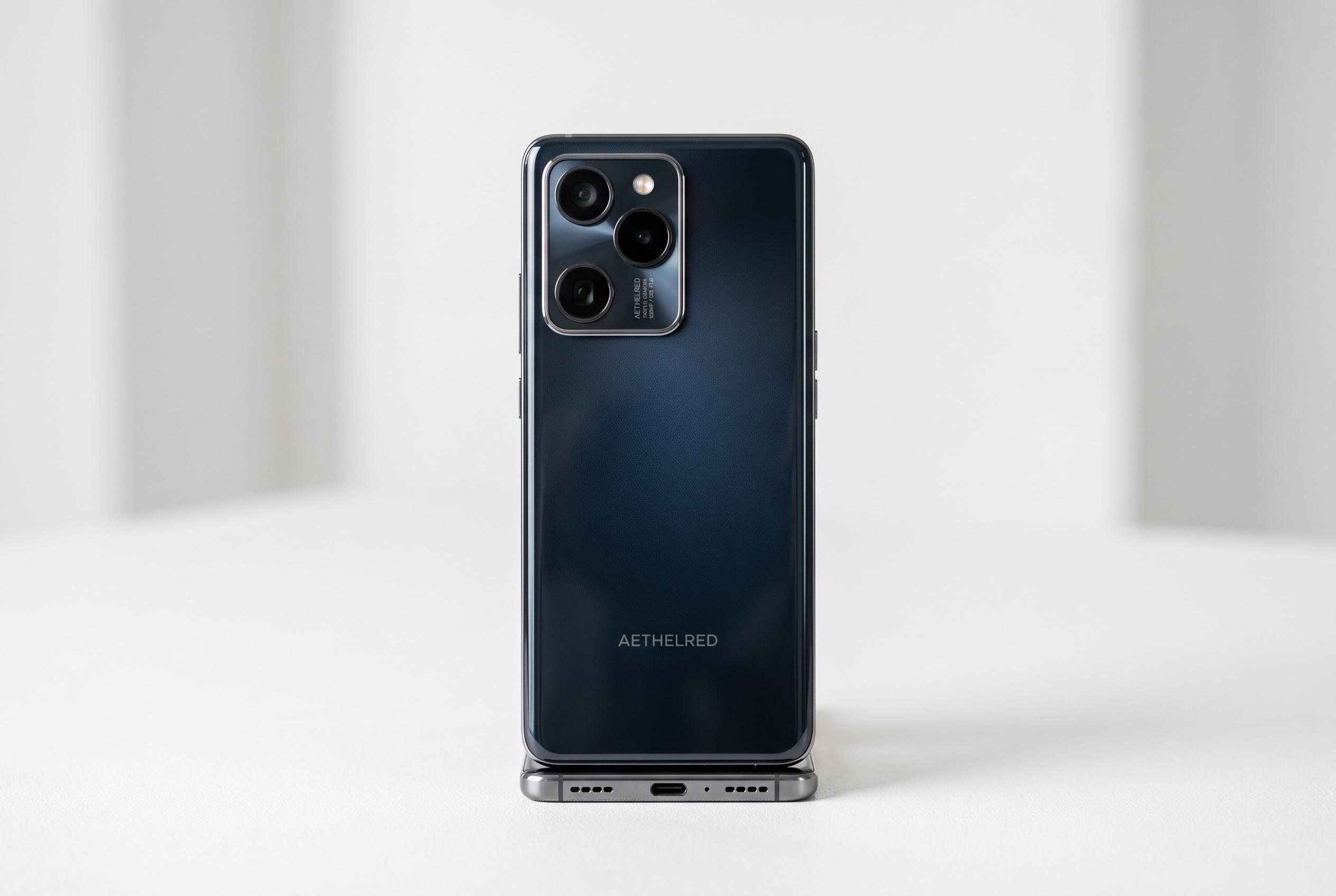

Chinese smartphone brands like Xiaomi, Huawei, Oppo, Vivo and OnePlus are closing the gap with Apple in the premium market by emphasising hardware features such as camera quality, charging speed and battery capacity over ecosystem integration, offering consumers more diverse options.
Chinese smartphone makers have narrowed the gap with Apple in the premium market, offering devices that compete on performance, charging speed and camera hardware rather than on ecosystem lock-in alone. For buyers weighing up the iPhone 17, several flagship models from Xiaomi, Huawei, Oppo, Vivo and OnePlus present credible alternatives, particularly for those who value Android flexibility, faster top-ups or more photography-led designs. The comparisons available from NanoReview and other device databases suggest that the strongest rivals tend to trade Apple’s software integration for bigger batteries, quicker charging and more aggressive hardware specifications.
Xiaomi’s 17 Pro is one of the clearest examples. According to NanoReview, it scores strongly on raw performance, battery size and charging speed, while also adding camera features such as 5x optical zoom. That makes it a practical choice for users who want a high-end phone with a more ambitious hardware package than Apple’s base flagship, even if the iPhone still has the edge for people already invested in Apple’s services and devices.
Huawei’s Pura 80 Pro takes a different approach, with a clear emphasis on mobile photography. Comparison sites describe it as a device built around advanced camera hardware and image processing, which has long been a Huawei strength. In a market where many premium phones now look similar on paper, that camera-first focus gives it a distinct identity for buyers who care more about portrait, zoom and low-light imaging than about staying inside Apple’s ecosystem.
Oppo’s Find X9 Pro and Vivo’s X300 Pro continue that theme from another angle. Both are positioned as premium Android phones with strong displays, capable cameras and battery technology designed to reduce charging downtime. Oppo in particular is known for charging speeds that can undercut Apple’s approach by a wide margin, which matters to users who want a handset that can be topped up quickly between meetings or travel legs. Vivo, meanwhile, has built a reputation for portrait and telephoto photography, making its flagship especially relevant for camera-focused buyers.
OnePlus remains the value-oriented option in this group. The OnePlus 13 combines flagship-class performance with a large high-resolution display, strong battery life and fast charging, while typically aiming below the most expensive premium phones on price. For consumers who want speed, endurance and a polished Android experience without paying Apple-level prices, it remains one of the more straightforward alternatives to the iPhone 17.
Taken together, these phones show how competitive the premium market has become. Apple still benefits from its ecosystem, software consistency and resale value, but Chinese brands are increasingly matching or exceeding it in individual hardware categories. For many buyers, the decision now comes down to priorities: photography, charging speed, battery life or platform convenience.
Disclaimer: This content is intended for informational purposes only. Readers are advised to exercise their own judgement, conduct due diligence, or consult a qualified expert before acting on any information provided.