
The DJI Pocket 4P’s recent sensor improvements and compact design put it closer to professional-grade footage than before, sparking debate whether it can now rival the versatility of the Sony a6700 among content creators and filmmakers.
Choosing between the Pocket 4P and the Sony a6700 comes down to a familiar trade-off: simplicity and portability versus adaptability and deeper control. The Pocket 4P is built for quick, steady shooting with minimal setup, while the Sony body is aimed at users who want a more traditional camera system they can expand over time. Recent coverage from PetaPixel also suggests the Pocket 4P may be more capable than earlier comparisons implied, with its new LOFIC sensor said to produce footage that comes close to full-frame quality in some conditions.
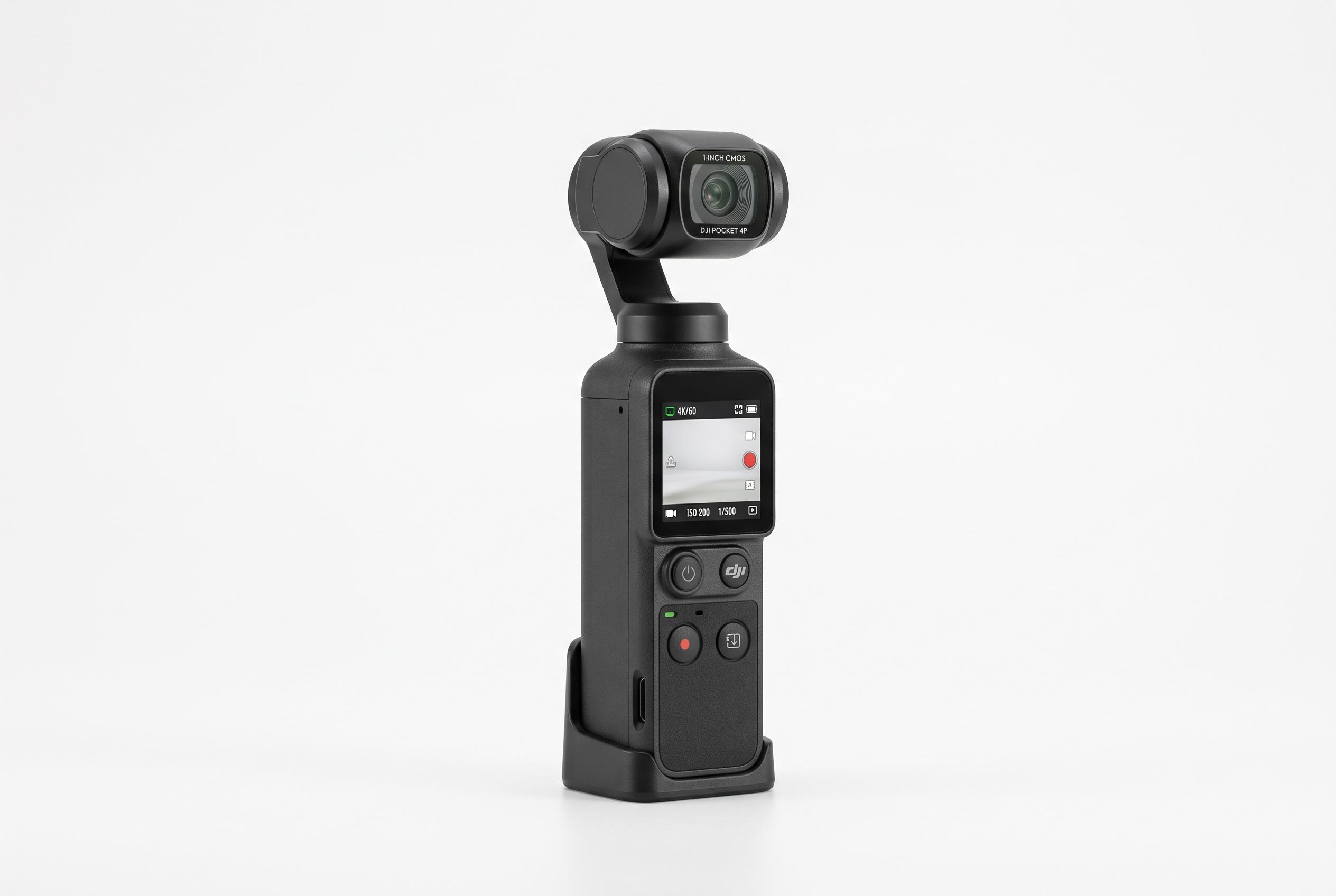
That matters because the Pocket 4P’s appeal has always rested on convenience. Its built-in gimbal stabilisation makes handheld video easier without extra accessories, and its compact size suits travel, vlogging and casual use. The downside is that the fixed lens design limits creative options, and while the camera is still tuned for vivid, ready-to-share results, its smaller sensor can struggle more than larger rivals when light falls away. According to the comparison published by Geeky Gadgets, that makes it a strong fit for users who want quick results rather than extensive post-production flexibility.
The Sony a6700 takes the opposite approach. B&H Photo Video lists it as a 26-megapixel APS-C mirrorless camera with 5-axis in-body stabilisation and 4K recording up to 60 frames per second, giving it a broader feature set for serious shooting. Its interchangeable-lens design opens the door to wide-angle, portrait and telephoto work, while flatter colour profiles and stronger dynamic range make it easier to fine-tune footage later. For photographers and filmmakers who want control over the final image, that extra headroom is often the decisive advantage.
There are also practical differences in day-to-day use. The a6700’s larger display and electronic viewfinder make framing easier in bright conditions, while the Pocket 4P’s smaller screen can feel more limiting outdoors. On the other hand, the Pocket 4P remains the lighter, more travel-friendly option and avoids the additional cost of buying lenses and support gear. That makes it attractive to creators who want to keep their kit lean, even if they give up some flexibility in return.
The broader picture is that neither camera is universally better. The Pocket 4P is the more immediate, less complicated choice, and newer reporting suggests it may now punch closer to higher-end cameras than its size would suggest. The Sony a6700 is the more serious long-term investment, with the sort of performance and expandability that suits users who expect to grow into their setup. For anyone deciding between them, the right answer depends less on specifications alone than on how much weight they place on portability, lens choice and editing control.
Disclaimer: This content is intended for informational purposes only. Readers are advised to exercise their own judgement, conduct due diligence, or consult a qualified expert before acting on any information provided.