
Mobilsiden’s 2026 guide highlights how foldable phones are shifting from novelty items to mature, premium gadgets, with improvements in design, durability, and software differentiation influencing consumer choices.
Mobilsiden’s 2026 guide reflects how quickly foldable phones have moved from novelty to mature premium devices. The attraction is clear: a handset that behaves like a normal phone when shut, then opens into a much larger display for work, media and split-screen use. The trade-off remains price, since the flexible panels, hinge assemblies and more complex construction still make these models far more expensive than standard flagships.
Its top choice is the Motorola Razr Fold, which the site praises for its slim design, light feel, bright displays, strong battery life and rapid charging. Recent comparison coverage from Android Central supports that view, noting that Motorola’s foldable combines a very large 6,000mAh silicon-carbon battery with 80W wired charging and 50W wireless charging, while also offering a capable triple 50-megapixel camera system.
Samsung’s Galaxy Z Fold 8 remains the most complete productivity-focused option in the list. Mobilsiden highlights its broader front screen, large inner display and especially strong multitasking software. Tom’s Guide has described the previous Galaxy Z Fold 7 as unusually thin and light for the category, with an 8-inch main screen and a 200-megapixel main camera, although Samsung’s foldables still carry a premium price and do not match every rival for imaging.
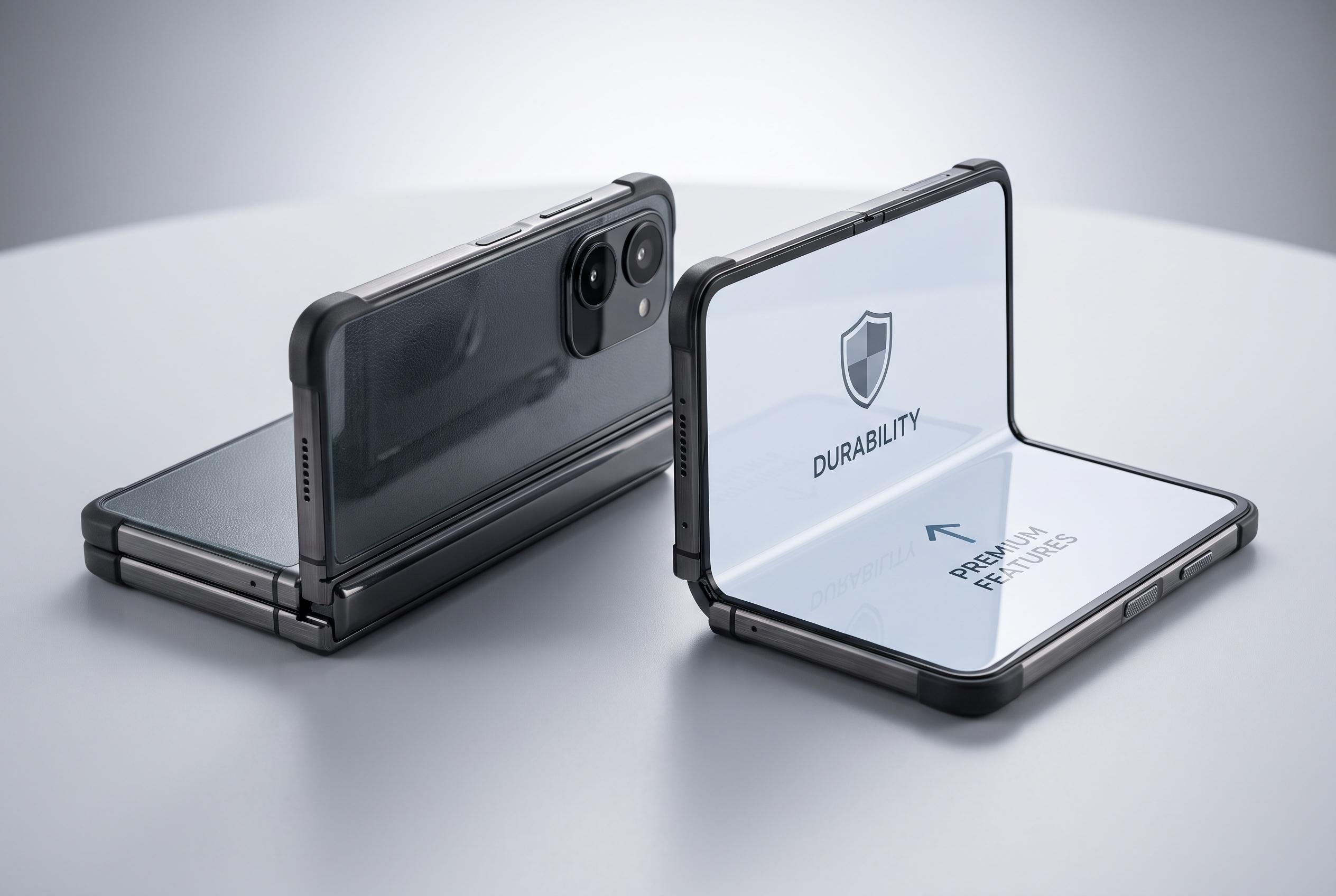
For buyers who want the most ambitious Samsung model, the Galaxy Z Fold 8 Ultra is positioned as the brand’s no-compromise variant. Android Central reports that Samsung’s latest foldables carry IP48 water resistance rather than full waterproofing, which means they can handle limited exposure but are not designed for rough treatment. That matters in a category where durability has become a major selling point, even if water resistance can still wear down over time.
Google’s Pixel 11 Pro Fold rounds out Mobilsiden’s list by leaning into software, photography and AI rather than sheer hardware size. Android Central says the device adds a tougher hinge, ceramic outer glass and IP68 protection, while Tom’s Guide notes its brighter screens and more advanced Gemini-powered features. In a market where the best foldables are converging on similar core hardware, those differences in design philosophy, camera tuning and software support are increasingly what decide the right purchase.
Disclaimer: This content is intended for informational purposes only. Readers are advised to exercise their own judgement, conduct due diligence, or consult a qualified expert before acting on any information provided.