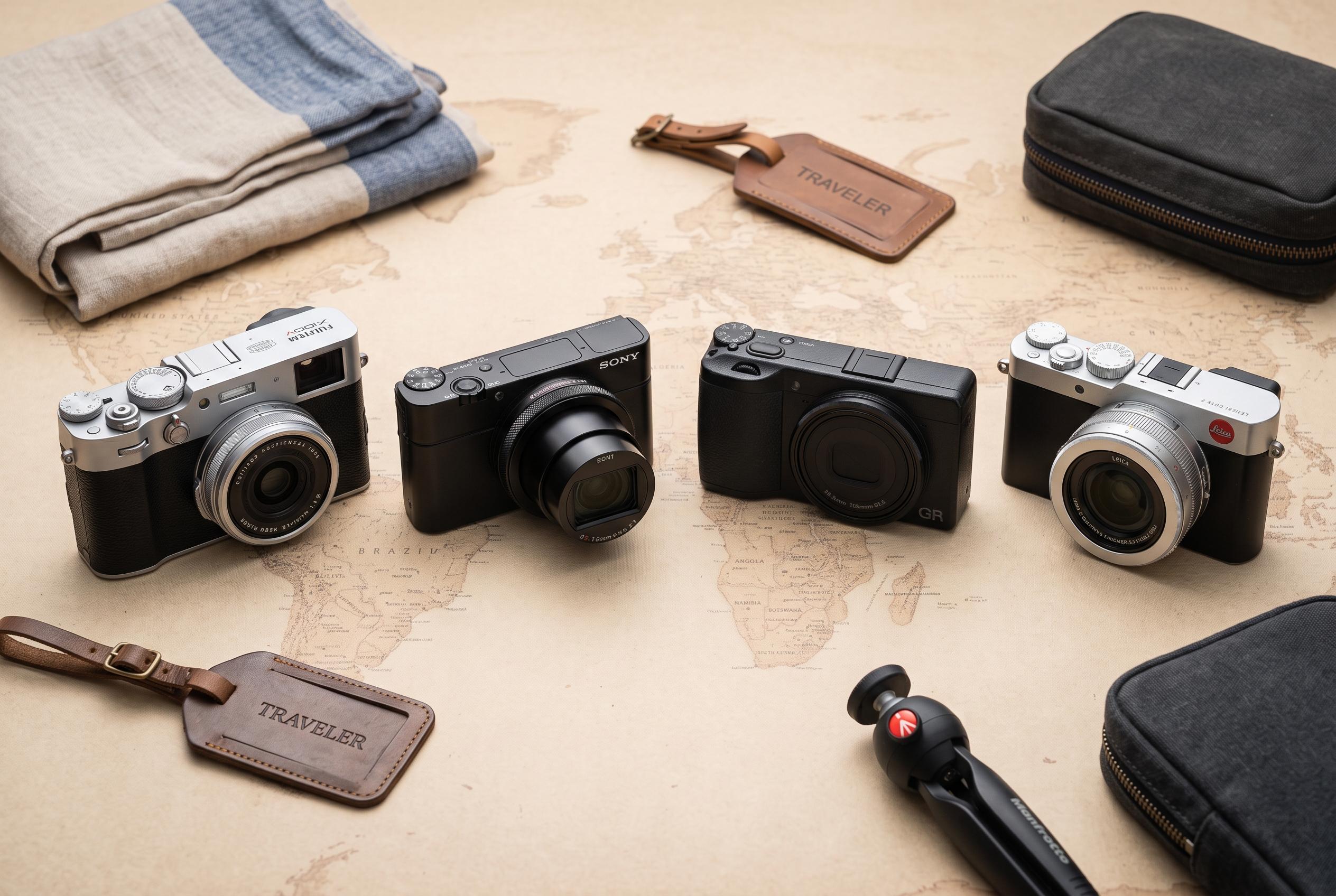

As travel photography regains momentum, four standout compact cameras emerge, each tailored to different needs, from portability to durability, offering fresh options for photographers on the move.
Travel photography has regained momentum as more photographers return to movement, assignment work and hybrid shooting. For readers looking for a compact, capable body that can cope with changing light, varied subjects and long days on the road, recent reviews point to four strong options with different strengths.
Sony’s a7C II stands out for portability. RTINGS, Tom’s Guide, MPB and TechRadar all describe it as a small full-frame camera that does not feel stripped back, thanks to its 33-megapixel sensor, effective stabilisation and advanced autofocus. That combination makes it a practical choice for travellers who want stills quality, video capability and a body that is easier to carry than larger rivals.
The Panasonic Lumix S1R II is aimed at photographers who want more resolution and stronger video tools. Cameralabs highlights its 44-megapixel BSI sensor and 8K recording options, while other coverage stresses the camera’s robust build, useful control layout and broad appeal to stills and video users. The emphasis here is less on size than on flexibility, detail and resilience in demanding conditions.
Nikon’s Z5 II offers a different proposition: full-frame performance at a lower entry point. Recent reviews note its 24-megapixel sensor, bright OLED electronic viewfinder and autofocus that remains reliable in very low light. For travel photographers, that makes it a sensible all-rounder when the priority is image quality, clean high-ISO output and dependable handling rather than maximum resolution or headline video features.
Canon’s R6 III is the most balanced choice in the group for photographers who move between people, landscapes and changing weather. Reviews point to its 32.5-megapixel sensor, strong in-body stabilisation and 7K open-gate video, along with fast subject recognition and solid sealing against the elements. It also appears capable of handling difficult conditions without thermal or moisture issues, which matters on long trips where equipment failure is not an option.
Taken together, the four cameras reflect two clear travel priorities: portability on one hand, and durability with advanced imaging on the other. The Sony suits those who want the smallest package, the Panasonic is for image and video depth, the Nikon focuses on value, and the Canon aims for the broadest day-to-day usefulness.
Disclaimer: This content is intended for informational purposes only. Readers are advised to exercise their own judgement, conduct due diligence, or consult a qualified expert before acting on any information provided.