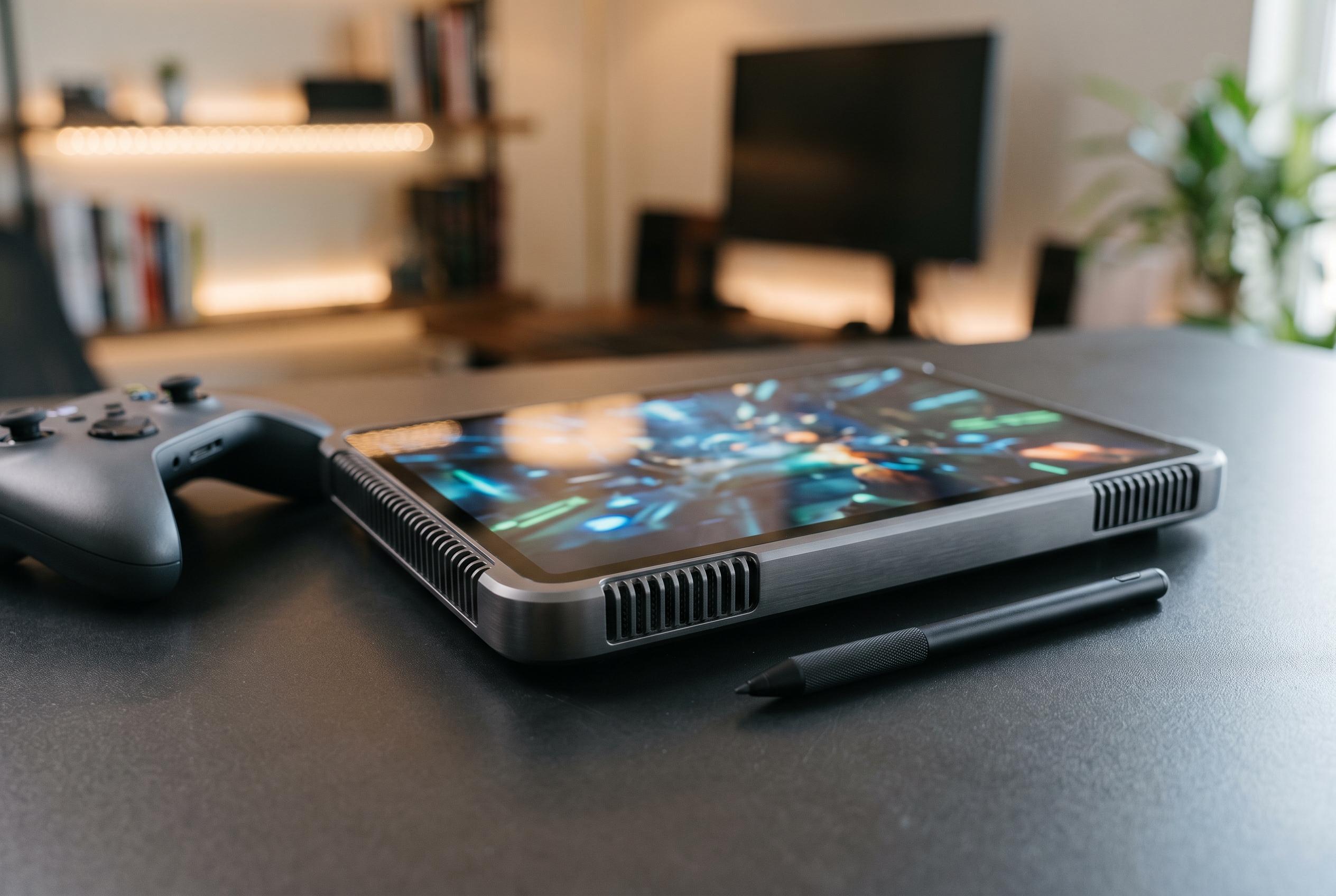

Choosing a tablet for gaming in 2026 now revolves around an optimal mix of graphics power, display quality, cooling, battery life, and software support, as Tecnoblog’s latest selection demonstrates.
Choosing a tablet for gaming in 2026 is less about a single headline specification than the balance between graphics power, display quality, cooling, battery life and software support. Tecnoblog’s selection reflects that shift, ranging from compact specialist devices to larger premium tablets that can also handle work, study and entertainment.
At the top of the performance list sits the RedMagic Astra, a device built with gaming first and everything else second. Reviewers at PhoneArena, GamesRadar, Pocket Gamer, AndroPlus and Android Central all pointed to its Snapdragon 8 Elite chip, 9.06-inch OLED panel and 165Hz refresh rate as the core strengths, while also noting the unusually high 24GB RAM and 1TB storage options. Its active cooling system is a key advantage for sustained play, although reviewers also flagged weaker battery life and the absence of wireless charging.
Samsung’s Galaxy Tab S11 is positioned as a more rounded premium choice. ITPro described it as a compact 11-inch AMOLED tablet with a 120Hz display, powered by the MediaTek Dimensity 9400+ and 12GB of RAM. That combination should be strong enough for demanding games and heavy multitasking, while Samsung’s gaming and productivity extras make it more versatile than a pure gaming slate.
Apple’s iPad Pro remains one of the fastest options in the category, especially for users already in the Apple ecosystem. Its M5 chip, OLED Ultra Retina XDR display and ProMotion support make it a serious gaming machine as well as a professional tablet. The lack of active cooling or dedicated gaming controls matters less for short sessions, but it is still a more general-purpose product than the RedMagic Astra.
Among Android alternatives, the Xiaomi Pad 8 and Lenovo Idea Tab Pro Gen 2 offer strong mid-to-high-end gaming hardware without crossing into specialist gamer territory. Both use Snapdragon 8s Gen 4-class performance, high-resolution displays and fast refresh rates, with Lenovo adding a larger 13-inch panel, a bigger battery and bundled accessories. The trade-off is that both rely on LCD screens rather than OLED, and neither includes active cooling.
For buyers watching their budget, the Galaxy Tab A11+ 5G stands out as the most accessible recommendation in the guide. Tecnoblog’s testing found it capable of handling Call of Duty: Mobile at maximum settings and Genshin Impact smoothly, which is notable for a lower-cost tablet. It is less powerful than the premium models, but the 90Hz screen, 5G support and microSD expansion make it a practical entry point for mobile gaming.
Disclaimer: This content is intended for informational purposes only. Readers are advised to exercise their own judgement, conduct due diligence, or consult a qualified expert before acting on any information provided.