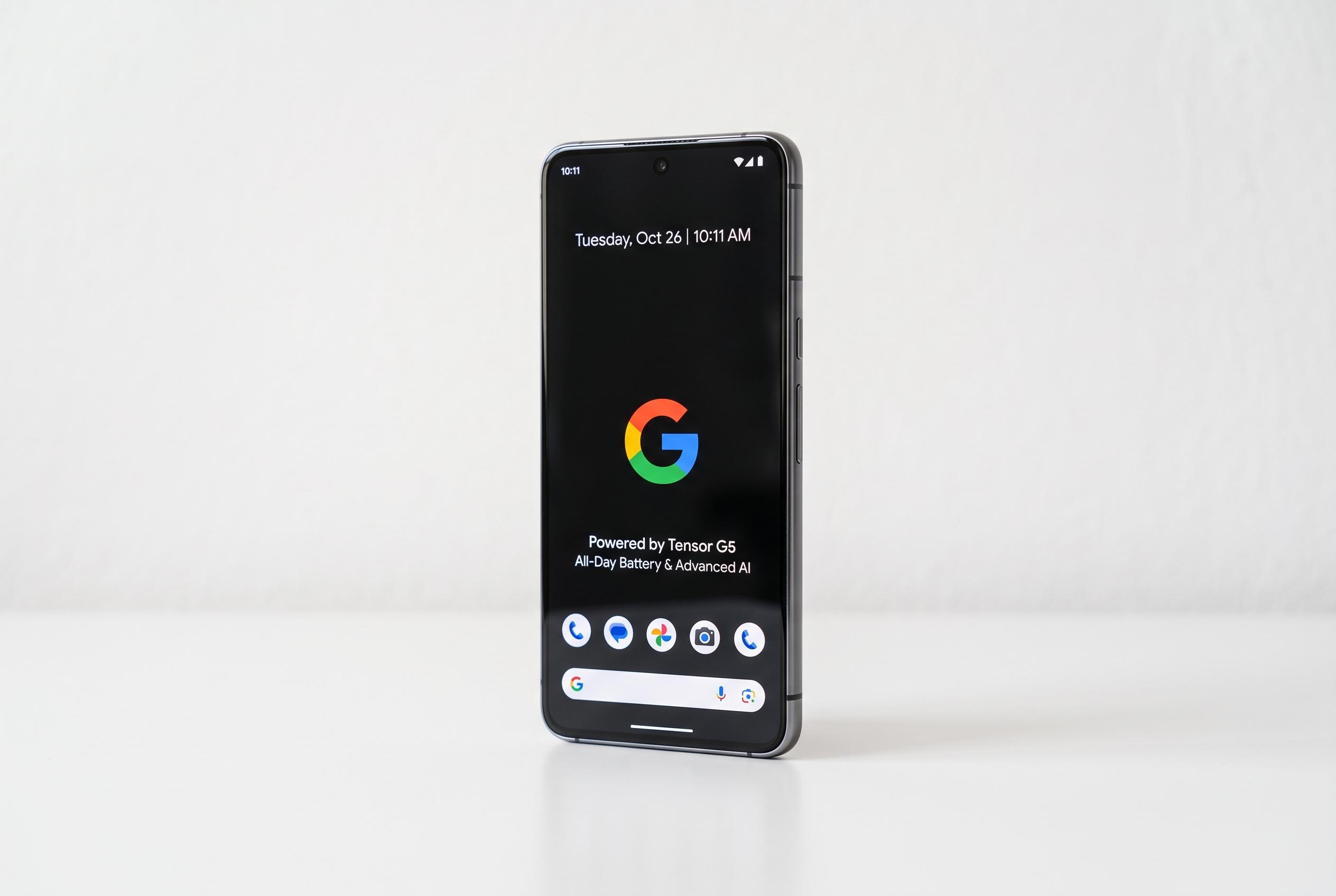

The Pixel 11 launches amid a close battle with Samsung’s Galaxy S26, emphasising AI, battery life, and software support as key differentiators for the future smartphone landscape.
Google’s Pixel 11 arrives as a direct challenge to Samsung’s Galaxy S26, but the real contest is no longer about raw specifications. It is about which company can make AI, battery life and software support feel genuinely useful over the next few years. According to Android Central, Google launched the Pixel 11 series on 12 August 2026, with the base model now starting at 256GB rather than 128GB, while Samsung’s Galaxy S26 has already been on sale since March.
On paper, the two phones are closely matched. Both start at $899 in their 256GB versions, both ship with 12GB of RAM, and both use 6.3-inch 120Hz OLED-class displays. But the priorities are different. Android Central says the Pixel 11 uses Google’s Tensor G6 chip, while Samsung’s handset runs Qualcomm’s Snapdragon 8 Elite Gen 5. The Samsung model is the faster device in benchmarks, but Google’s chip is tuned more for on-device AI tasks and efficiency. The Pixel 11 also carries a much larger 4,985mAh battery, compared with the Galaxy S26’s 4,300mAh cell.
Camera hardware is another clear fault line. Android Central reports that the Pixel 11 has a new 48-megapixel main sensor and 5x optical zoom, while Samsung’s base S26 keeps the same 50-megapixel main camera, 12-megapixel ultrawide and 10-megapixel 3x telephoto arrangement used on the previous generation. That means Samsung has left the base model largely unchanged, while Google has added fresh hardware and new software features such as Magic Capture, which can extract still images from video.
Software is where the difference becomes more strategic. Google’s Pixel 11 launches with Android 17 and Gemini Intelligence, which Android Central describes as a more deeply integrated AI layer across the phone. Samsung’s Galaxy S26 launched with Android 16 and One UI 8.5, though it also supports Gemini functions and Samsung’s own Galaxy AI tools. Both companies promise seven years of updates, but Google still has the advantage when it comes to receiving new Android features first.
Charging and connectivity may matter just as much in daily use. Android Central says the Pixel 11 supports 30W wired charging and 25W Qi2 wireless charging with built-in magnets, while the Galaxy S26 is limited to 25W wired and 15W wireless charging and needs a compatible case for magnetic accessories. That makes Google’s phone easier to live with if you want Qi2 support without extra accessories. For buyers who care more about gaming, Samsung’s stronger graphics performance remains its main advantage. But for most people, the Pixel 11 looks like the more balanced upgrade.
Disclaimer: This content is intended for informational purposes only. Readers are advised to exercise their own judgement, conduct due diligence, or consult a qualified expert before acting on any information provided.