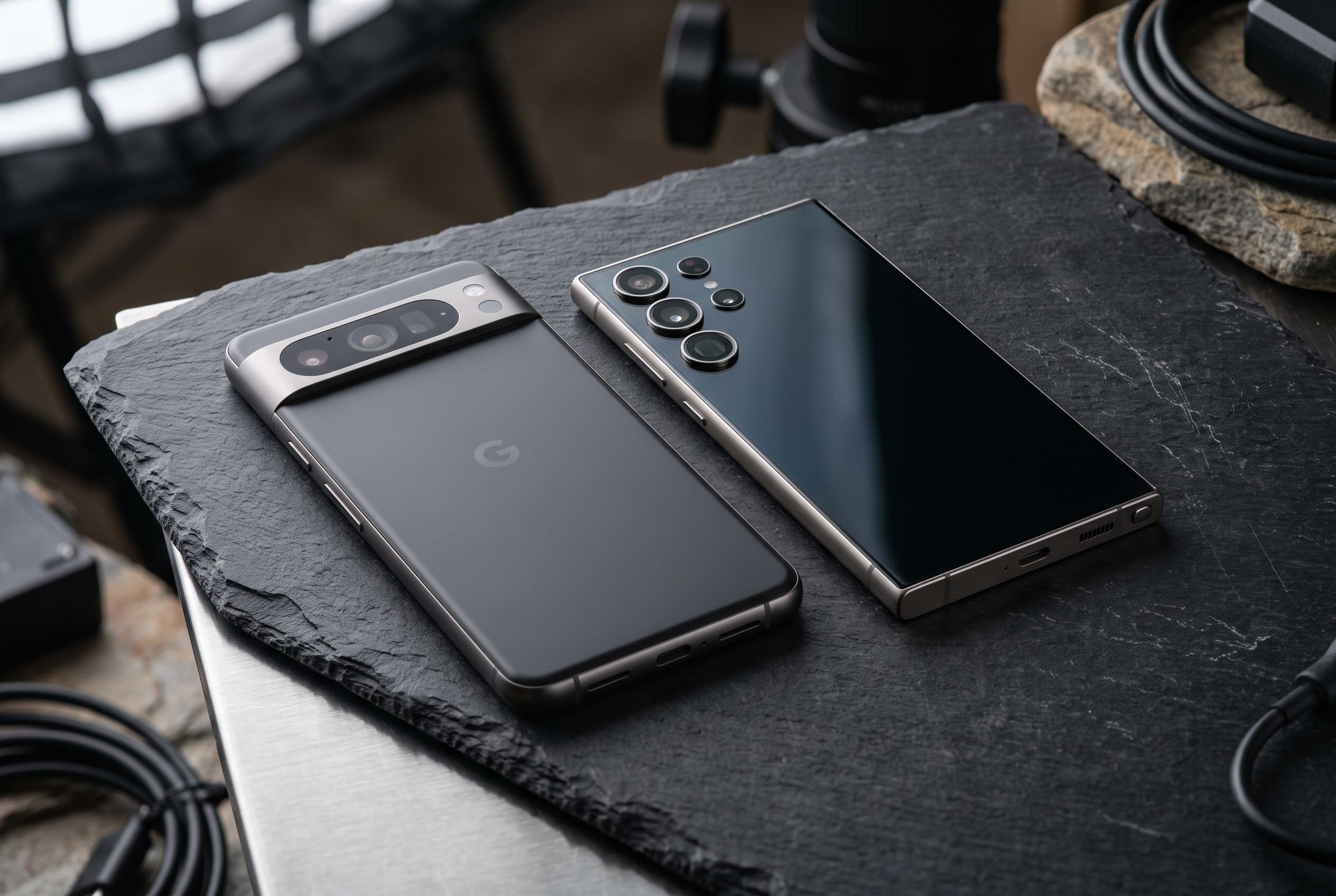

The upcoming Google Pixel 11 Pro XL and Samsung Galaxy S26 Ultra are emerging as the leading Android camera contenders of 2026, with real-world testing highlighting how software and design choices influence photo quality beyond raw specs.
Google’s Pixel 11 Pro XL and Samsung’s Galaxy S26 Ultra are shaping up as the clearest Android camera rivals of 2026, and the latest side-by-side comparison suggests the battle is being decided less by headline specifications than by how each phone handles real scenes. PhoneArena said it put both devices through dozens of tests, ranging from daylight photography to more difficult night shots, to judge the output rather than the marketing sheet.
On paper, the two phones take different approaches. According to PhoneArena’s specifications comparison, Samsung pairs a 200-megapixel main camera with a 50-megapixel ultra-wide lens, plus a 10-megapixel 3x telephoto and a 50-megapixel periscope zoom camera. Google, by contrast, uses a 50-megapixel main sensor, a 48-megapixel ultra-wide and a single 48-megapixel telephoto module. The key difference is that Samsung spreads its zoom duties across two lenses, while Google relies on one larger telephoto sensor.
That design choice matters in practice. PhoneArena’s review said the Pixel’s newer main sensor and larger 5x telephoto unit give it an edge for detail and overall image quality, while Samsung’s zoom system remains more versatile on paper but may be showing its age in the smaller 3x lens. The publication also noted Google’s “Camera Looks” feature, which is aimed at giving photos more film-like colour profiles.
Independent coverage from Android Central has pointed in the same direction, saying Google’s camera hardware and software improvements are designed to strengthen its position in smartphone photography. Its review of the Pixel camera also highlighted a new AI-assisted feature called “Magic Capture”, which blends video and still capture to pick out moments automatically. That broader software lead may be as important as any sensor upgrade, especially for readers who care about consistency more than raw specifications.
The comparison is therefore less about a clear hardware winner and more about two philosophies. Samsung is leaning on a dense, highly specified camera array, while Google is betting on fewer lenses and stronger processing. For buyers deciding between the two, the most useful question is not which phone has the bigger numbers, but which produces the look they prefer in everyday use.
Disclaimer: This content is intended for informational purposes only. Readers are advised to exercise their own judgement, conduct due diligence, or consult a qualified expert before acting on any information provided.