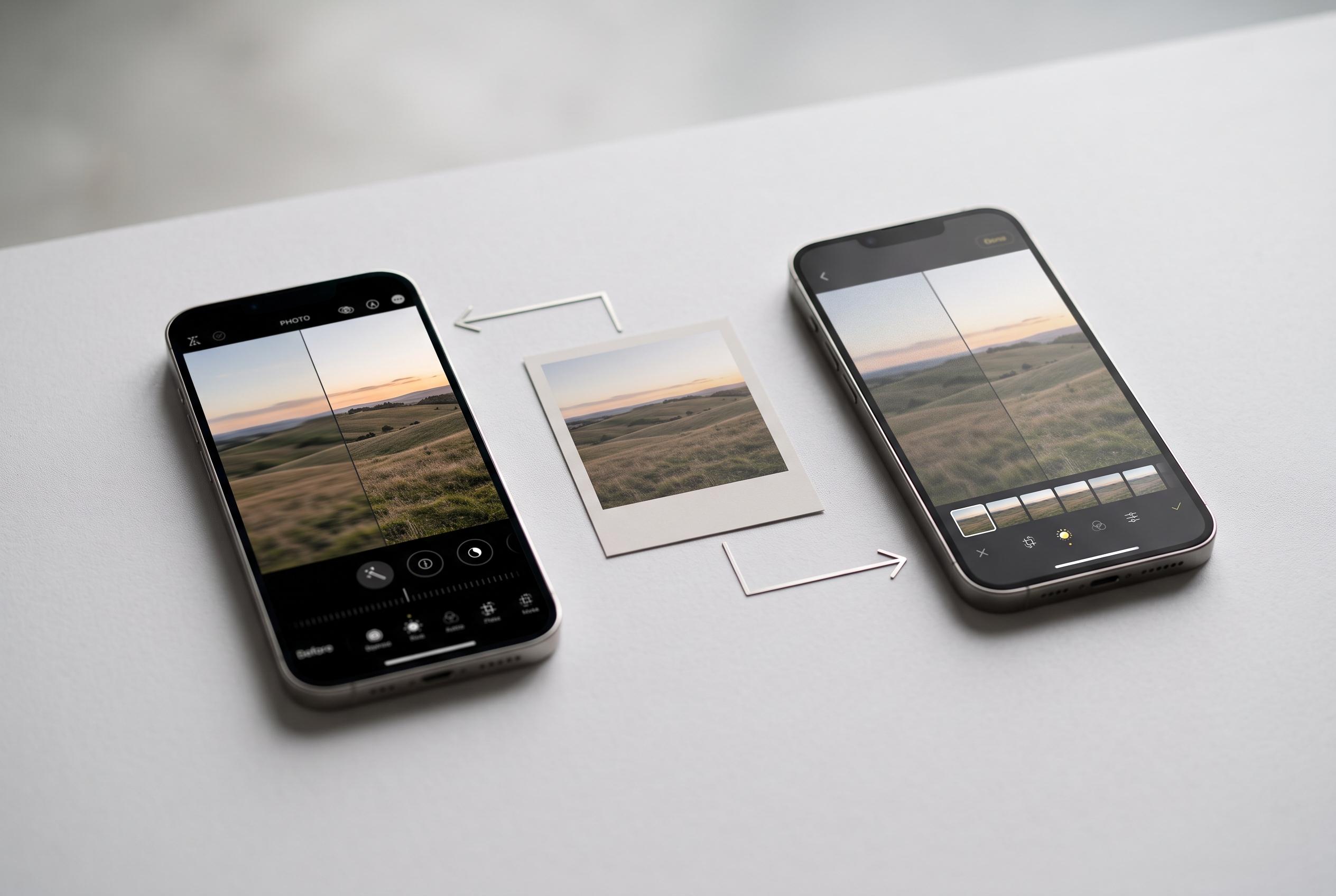

A recent comparison reveals Google’s Pixel devices lead Apple’s iPhone in AI-powered photo repairs, thanks to superior editing options and consistency, signalling a shift in smartphone photography capabilities.
Artificial intelligence has become one of the main selling points for smartphone photography, but the real test is not how well a phone captures a scene. It is how well it can repair the mistakes afterwards. In a recent comparison, CNET found that Google’s Pixel line is still ahead of Apple’s iPhone when it comes to built-in AI photo editing, especially for quick fixes such as removing people from the frame, cleaning up reflections and making modest image enhancements.
The test used an iPhone 16 and a Pixel 10 Pro XL across situations where photography tends to be difficult: concerts, beaches and family trips. The results suggest that the quality of the original shot matters, but the range and maturity of the editing tools matter more. Apple’s Clean Up feature can remove unwanted objects, yet CNET found that it often leaves visible distortion or incomplete fills. Google’s tools, by contrast, were more consistent and produced results that were usually good enough to share on social media without further work.
That gap is partly structural. Google offers a broader set of editing options, including generative remove, AI enhancement and prompt-based edits, while Apple’s current toolkit remains comparatively narrow. Tom’s Guide has reached a similar conclusion in its own testing across iPhone, Pixel and Samsung devices, saying Google’s editing features are the most capable and easiest to use. Even when Apple’s camera hardware was not the limiting factor, the iPhone still lacked the software depth that Pixel users can call on.
Google has also been pushing those tools beyond its own hardware. MacRumors reported in 2024 that Magic Editor would come to Google Photos on iPhone, while Tom’s Guide and Macworld said Magic Eraser, Photo Unblur and related features were being opened up to more devices, including iPhones, through Google Photos. That wider access has narrowed the exclusivity advantage of the Pixel, but not necessarily the quality gap. Apple is now said to be preparing its own on-device photo editing system for a future version of iOS, with Digital Trends reporting features such as Extend, Enhance and Reframe.
For now, Google appears to have the stronger case for users who care about practical AI editing rather than camera specifications alone. CNET’s verdict was blunt: Apple’s tools are useful, but Google’s are more capable, more flexible and less likely to fail when the task becomes complicated. That may not decide every phone purchase, but for people who regularly edit photos on their handset, it is a meaningful edge.
Disclaimer: This content is intended for informational purposes only. Readers are advised to exercise their own judgement, conduct due diligence, or consult a qualified expert before acting on any information provided.