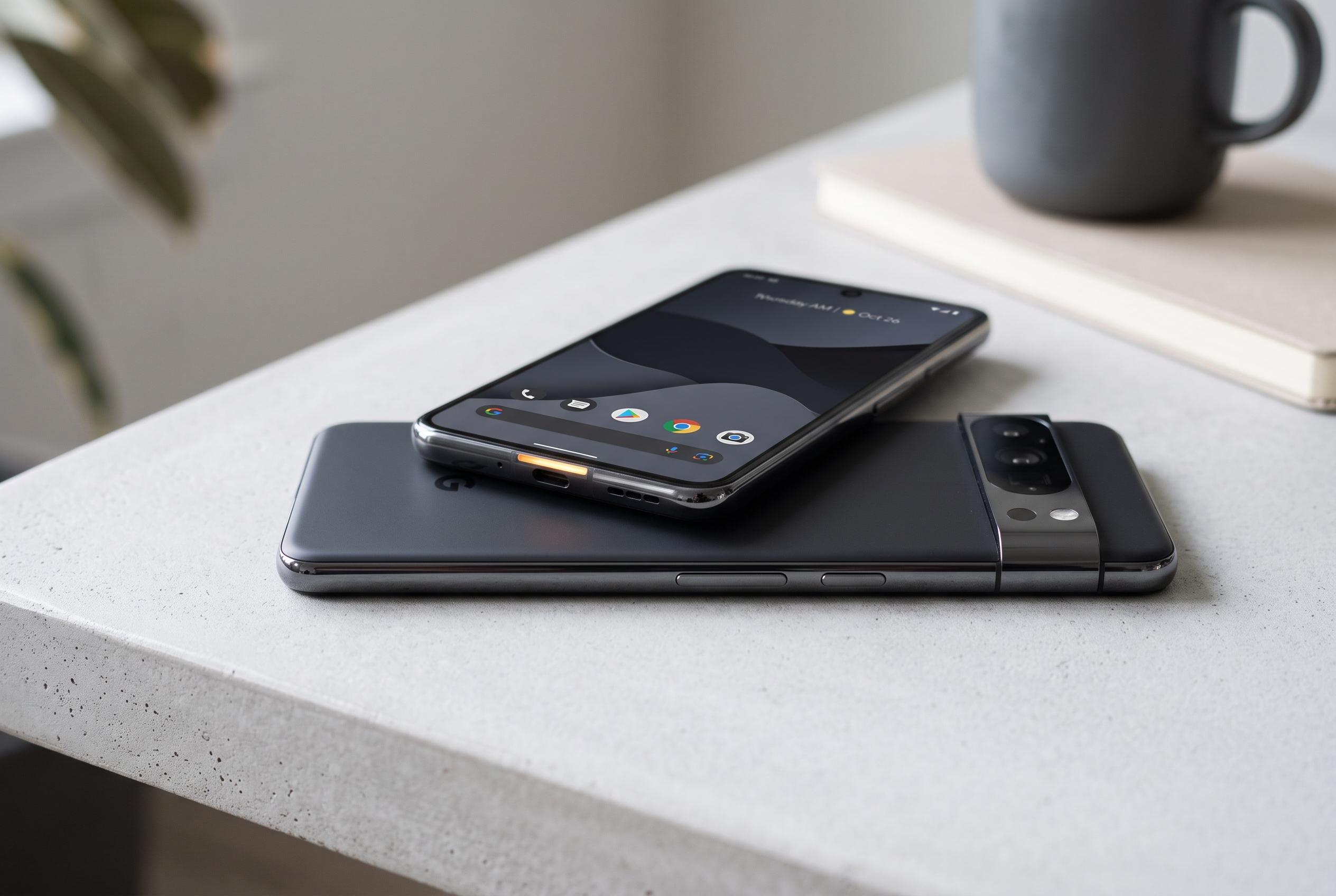

Google’s HiLight feature on the Pixel 11 Pro aims to revive the classic notification LED, but critics argue it offers limited flexibility and lags behind rivals like Nothing, signalling a cautious approach rather than innovation.
Google’s HiLight feature on the Pixel 11 Pro range looks, at first glance, like a throwback rather than a leap forward. According to Trusted Reviews, the small rear LED is intended to signal incoming calls when the phone is face down and to flash while Gemini is working, but it stops there. That makes it feel less like a defining Pixel feature and more like a stripped-down revival of an old smartphone idea.
That matters because LED notification lights were once common on Android phones. Trusted Reviews notes that early devices used them to flag missed calls and messages, with different colours often tied to different apps. The feature faded as always-on displays became more capable and more energy-efficient, but reporting on smartphone history shows that interest in notification LEDs has started to return in the 2020s.
The problem for Google is that rivals have already done this better. TechRadar and Android Authority both report that Nothing’s Glyph Matrix on the Nothing Phone 3 is programmable, can show symbols and animations and has a wider role in how the device behaves. Business Standard also notes that Nothing has tied the system into broader AI features, while keeping the design language distinct. In comparison, Google’s implementation appears tightly locked down, with no custom patterns, no app-specific alerts and no support for third-party developers.
That leaves HiLight with a narrow audience and an unclear purpose. It may suit users who want a simple visual cue for calls or Gemini activity, particularly when the handset is muted or placed face down. But as Trusted Reviews argues, the Pixel 11 Pro’s new light does not yet justify the attention it has attracted. It adds novelty, but not much flexibility, and in a market where visual alerts can do far more, that makes Google’s answer look cautious rather than compelling.
Disclaimer: This content is intended for informational purposes only. Readers are advised to exercise their own judgement, conduct due diligence, or consult a qualified expert before acting on any information provided.