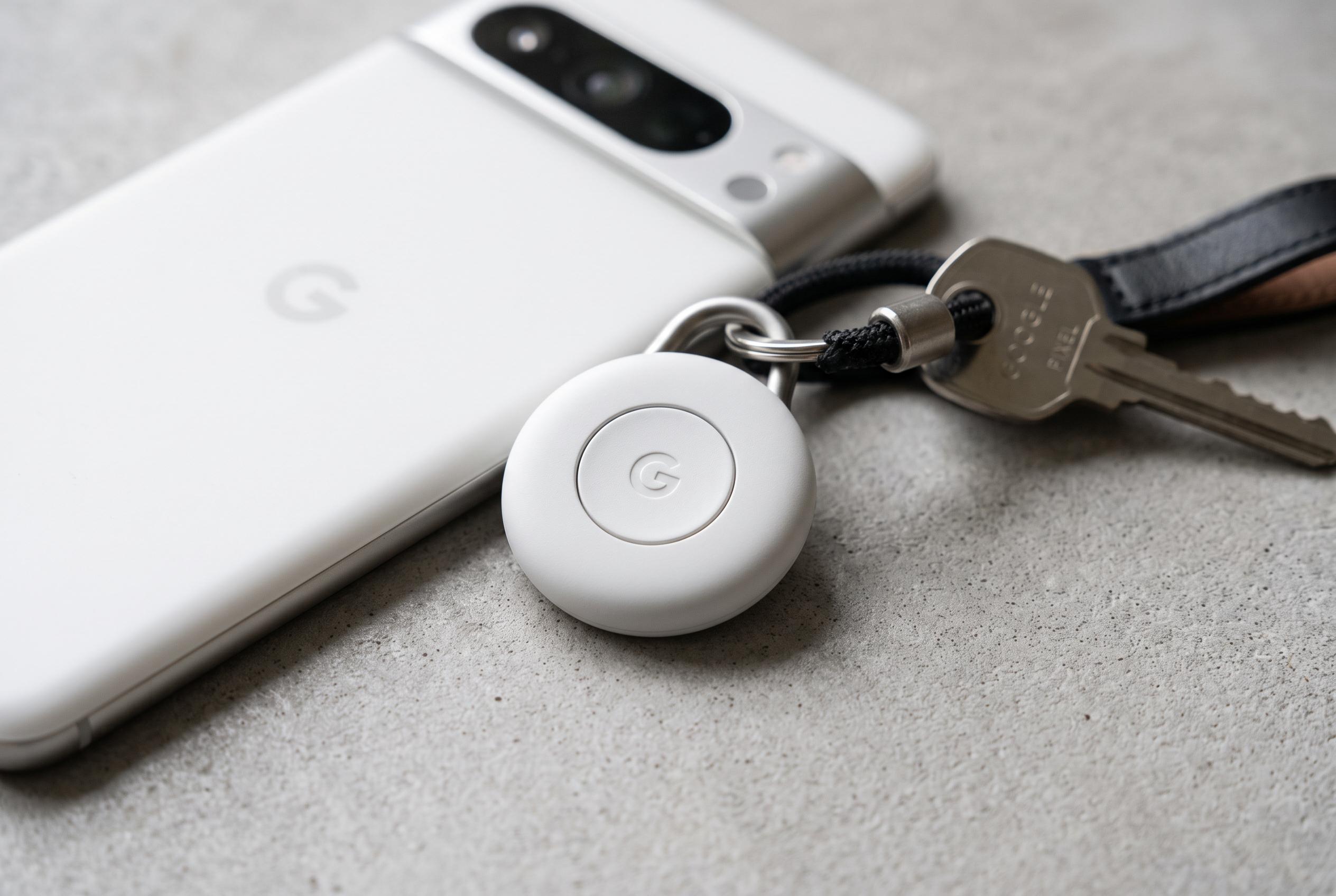

Google launches the Pixel Tag, a rival to Apple’s AirTag, featuring Ultra Wideband support, a practical physical button, and competitive pricing, aiming to carve out space within the Android ecosystem.
Google has entered the Bluetooth tracker market with the Pixel Tag, a first-party accessory built for Android users and positioned directly against Apple’s AirTag. The device ties into Google’s Find Hub network, adds Ultra Wideband support for precision locating and includes a replaceable battery, putting it on familiar ground but with enough differences to matter. Google is arriving late to a category Apple helped define, yet the launch shows a more considered effort than a simple imitation.
The comparison is now sharper because Apple has refreshed AirTag rather than leaving the original model untouched. According to Apple, the newer version uses a second-generation Ultra Wideband chip, a better Bluetooth chip and a louder speaker, with Precision Finding extending farther than before. That matters because Google is not confronting an ageing product, but a revised rival with stronger range and a more mature accessory ecosystem.
On price, the two trackers are matched. Google has set the Pixel Tag at $29 for one and $99 for a four-pack, the same pricing Apple uses for AirTag. That parity leaves ecosystem choice as the main differentiator. Android users are being asked to decide whether Google’s native integration is enough to justify switching away from the tracker category Apple already dominates on iPhone.
The Pixel Tag’s clearest advantage is a physical button that can ring a connected phone, even when it is on silent. That is a small but genuinely practical feature, and it highlights Google’s attempt to solve everyday problems rather than merely copying the basics of AirTag. Google has also designed the tag as an oval device rather than a circular disc, with IP67 dust and water resistance, a built-in speaker and support for sharing with as many as 10 people.
Tracking performance looks broadly competitive. Google says Find Hub can draw on more than a billion Android devices, while the Pixel Tag also uses Bluetooth and Ultra Wideband to help locate items nearby. Apple’s Find My network remains a major advantage, especially for iPhone owners, but Google’s latest tracker closes much of the gap with Precision Finding, left-behind alerts and location sharing. Privacy protections are also closer to parity now, with both companies offering cross-platform alerts for unknown trackers that may be travelling with a person.
The broader verdict is straightforward. Pixel Tag does not unseat AirTag across the market, but it gives Android users a tracker that feels properly built for their ecosystem. That is the more important change. Google has brought meaningful features, decent battery life and a sensible price to a category it had left to rivals for years. For Android owners, that makes Pixel Tag the clearer choice. For iPhone users, AirTag remains the natural option.
Disclaimer: This content is intended for informational purposes only. Readers are advised to exercise their own judgement, conduct due diligence, or consult a qualified expert before acting on any information provided.