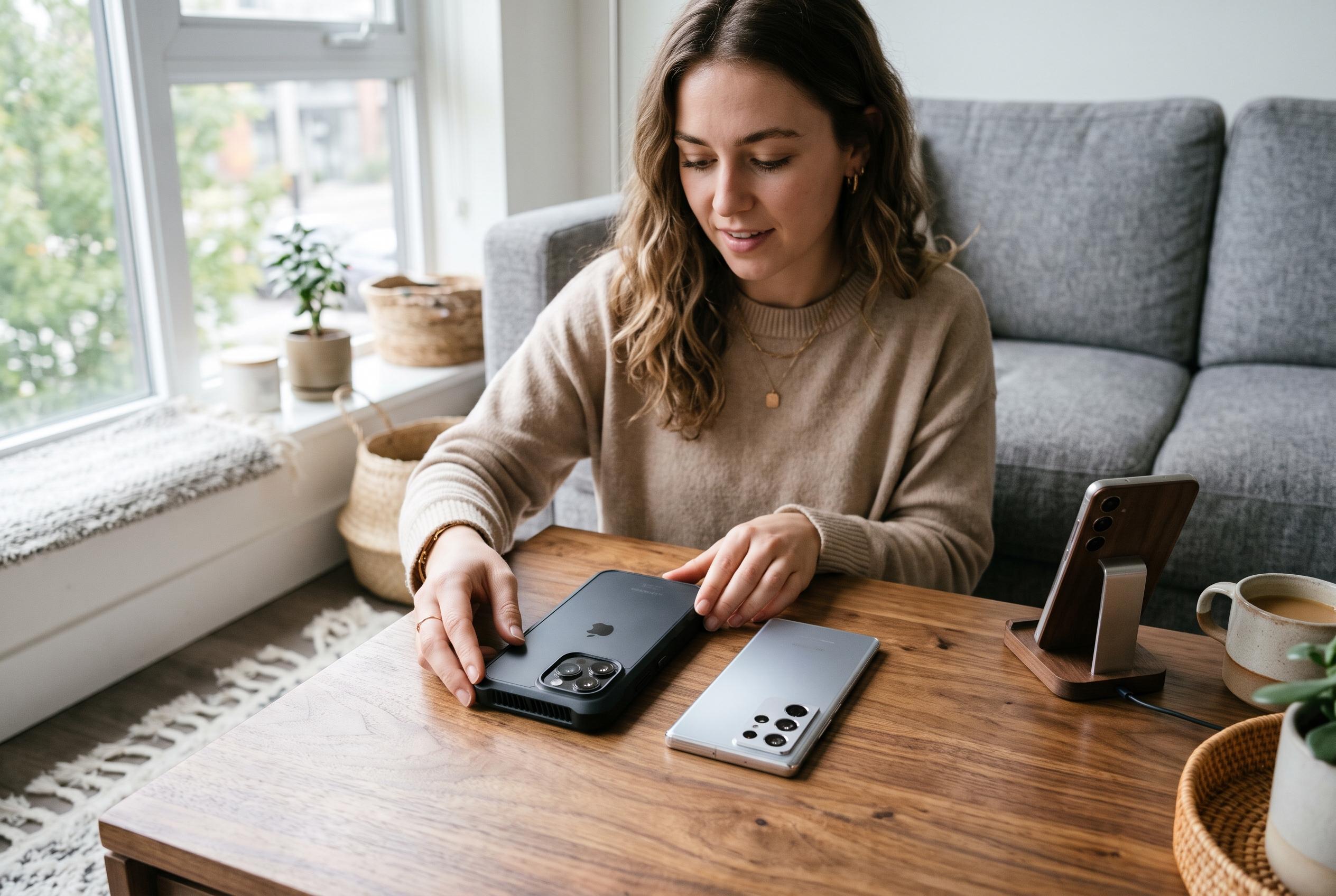

Honor’s China-only Win RT brings a 10,000mAh battery, built-in fan and 185Hz display, while the globally available POCO F8 Pro offers a lighter design, telephoto camera and longer-term software support.
The Honor Win RT and POCO F8 Pro are built around the same Snapdragon 8 Elite platform, but they are aimed at different buyers. According to the comparison material, the Honor is the more extreme device: it pairs a 10,000mAh battery with a built-in cooling fan and a 185Hz display, while the POCO answers with a lighter body, a more versatile camera system and a global software package that includes long-term update support. The result is a contest in which raw hardware ambition is matched against broader practicality.
Price has become part of the story as well. The Honor launched in China at a noticeably lower starting price than the POCO’s global debut, but the gap has narrowed in retail listings, especially once import costs are taken into account. That matters because the Win RT is sold only in China, so buyers elsewhere must factor in shipping, taxes and the loss of a local warranty. By contrast, the POCO is available through normal regional channels, which makes it the less complicated purchase for most international customers.
Design is a clear trade-off between endurance and portability. The Honor is the larger and heavier handset, and that extra bulk is the price of its oversized battery and cooling hardware. The POCO is easier to carry and use one-handed, while the Honor adds IP69K resistance on top of IP68 sealing, giving it a tougher specification on paper. In practice, the POCO looks and feels closer to an everyday flagship, whereas the Honor is engineered for harsher use and longer gaming sessions.
The display comparison also splits the two handsets neatly. The Honor’s 6.83-inch panel runs at 185Hz, with very high PWM dimming and a claimed peak brightness of 6,000 nits, so it should feel especially fluid in games and more comfortable for users sensitive to flicker. The POCO’s 6.59-inch screen is slower at 120Hz, but it supports Dolby Vision and HDR10+, which gives it an advantage for streaming video. In other words, Honor appears to have the better panel for gaming, while POCO is the more rounded choice for films and television.
Performance is harder to separate because both phones use the same flagship chip and similar graphics hardware. Benchmark material cited in the comparison shows only marginal differences between them, with the Honor slightly ahead in some synthetic tests and effectively level in others. The more important distinction is memory and storage: the Honor can be configured with up to 16GB of RAM and 1TB of storage, whereas the POCO tops out at 12GB and 512GB. For most people that will not change daily use, but it will matter to heavy gamers and users who keep large media libraries on their phones.
Cooling is where the Honor establishes its clearest advantage. Independent testing quoted in the comparison indicates that the fanless POCO F8 Pro throttles under sustained load, with performance falling after repeated stress and the chassis heating up near the camera area. The Win RT is designed specifically to address that problem, using an internal fan to push heat away from the chipset. That makes the Honor the stronger choice for long gaming sessions, even if the fan introduces a small amount of noise and another potential point of failure.
The camera hardware pushes the decision in the other direction. The POCO offers a 50MP main camera, a dedicated 2.5x telephoto lens and stronger video options, which gives it much greater flexibility for portraits and zoom shooting. The Honor counters with a high-resolution selfie camera and an autofocus ultrawide, but it lacks a telephoto lens entirely. According to the comparison, that leaves the POCO as the better all-round camera phone, while the Honor is the one to choose if front-facing video and selfies matter more than rear-camera versatility.
Battery life and software support may be the most decisive factors of all. The Honor’s 10,000mAh battery is far larger than the POCO’s 6,210mAh cell, and its reverse charging output is also stronger. The POCO, however, charges quickly enough to offset its smaller battery and comes with the clearer software promise: Google services, eSIM support and an update policy that stretches for years. The Honor’s China-focused software limits its appeal outside its home market, especially for buyers who rely on Google apps or local carrier compatibility. For readers outside China, the POCO is the safer and more convenient buy; for buyers in China, or for those who want maximum battery life and cooling headroom, the Honor remains the more specialised proposition.
Disclaimer: This content is intended for informational purposes only. Readers are advised to exercise their own judgement, conduct due diligence, or consult a qualified expert before acting on any information provided.