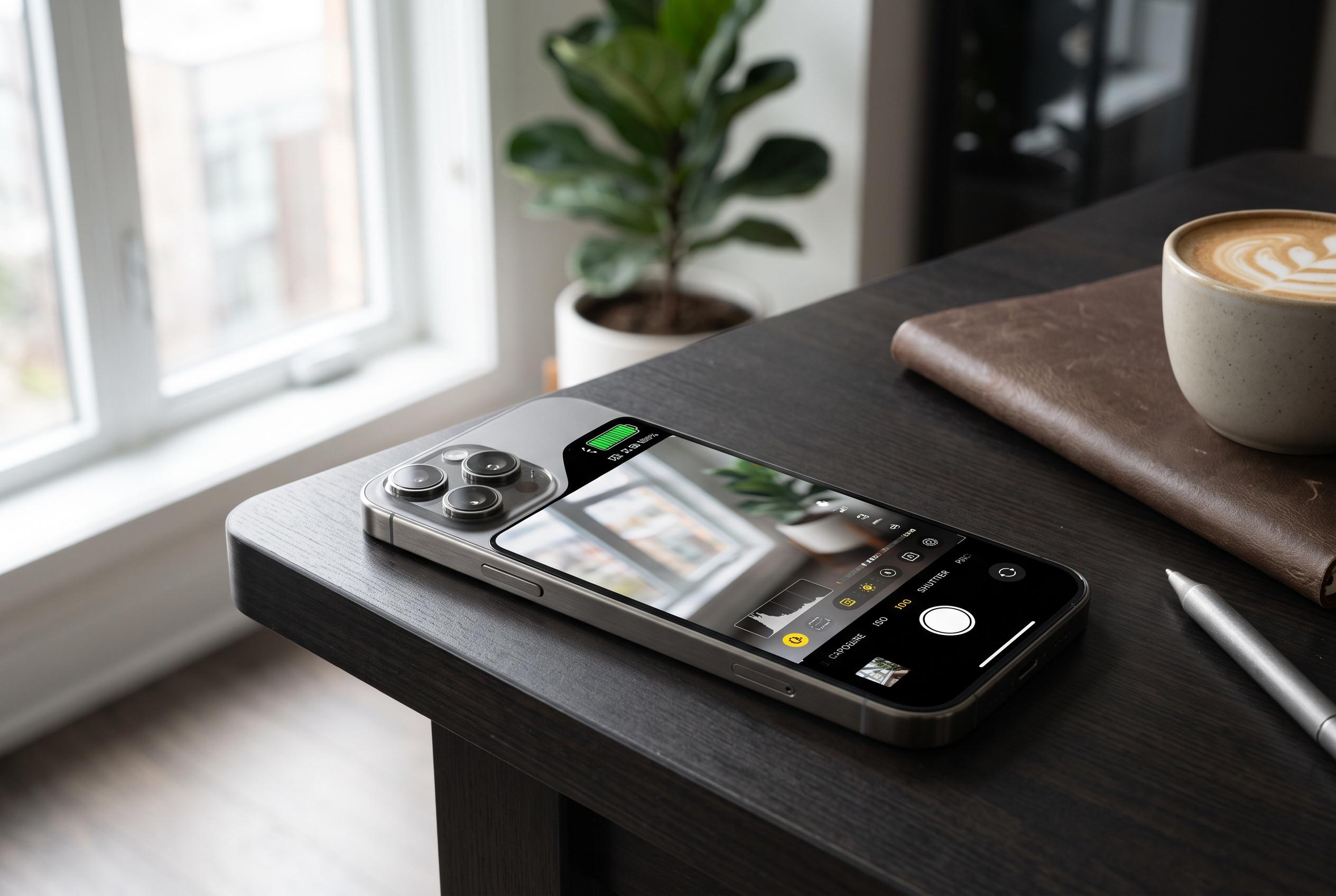

The iPhone 18 Pro introduces significant upgrades in battery life, processing power, and camera control, while design tweaks remain more modest, offering a compelling choice for power users and camera enthusiasts alike.
For iPhone 16 Pro owners, the iPhone 18 Pro is less a routine refresh than a bundle of changes spread across two generations. Much of what stands out now was introduced in the 17 Pro, but the newer model still compounds those shifts with a brighter display, a newer chip, more memory and a much larger battery. On paper, that makes the upgrade look substantial. In practice, the value case depends on whether you care most about design, camera control or raw endurance. According to comparison coverage from PhoneArena and MacObserver, the 18 Pro also raises the storage floor and pushes the top end much higher, with a 2TB option now available.
The design story is more mixed. The 16 Pro’s titanium frame remains the lighter and more premium-feeling option, while the 18 Pro moves to aluminium, a choice that should improve heat dissipation but does not necessarily feel like a luxury upgrade. Tom’s Guide and PhoneArena both note that the new model’s display is brighter, reaching 3,000 nits versus 2,000 nits on the 16 Pro, and it also adds better anti-reflective treatment. That is a genuine real-world gain outdoors. Yet the weight penalty is noticeable, and for many users the older phone may still be the more elegant object to hold.
Performance is where the gap is clearest. The 18 Pro uses Apple’s A20 Pro chip built on a 2-nanometre process, while the 16 Pro relies on the A18 Pro on 3 nanometres. It also has 12GB of RAM instead of 8GB, plus a more capable graphics block and a stronger neural engine. MacObserver says this combination gives the newer phone more headroom for demanding games, on-device AI features and sustained workloads, while Tom’s Guide highlights the added efficiency of the new silicon. For normal messaging, browsing and casual photography, though, the 16 Pro already remains fast enough that the difference may be hard to feel day to day.
The camera changes are more persuasive than the raw speed gains, but they are not all equally new. Tom’s Guide says the 18 Pro’s main 48-megapixel camera now offers four aperture settings, from f/1.48 to f/4.0, giving users more control over depth of field and light intake. That is the headline imaging change, and it should help with everything from portraits to bright-light motion blur. The telephoto camera is also far more ambitious, and the front camera is upgraded as well, but some of the largest jumps arrived in the previous generation. In other words, the 18 Pro refines Apple’s camera system more than it reinvent it.
Battery life is arguably the strongest practical reason to buy the newer phone. Tom’s Guide and TechRadar both report meaningful gains in endurance, with Apple’s latest model lasting noticeably longer in video playback tests. The North American teardown data cited by Tom’s Guide shows a 4,288mAh battery in the 18 Pro and a 5,567mAh unit in the Pro Max, while European versions use slightly different capacities. Charging is faster too, with Apple now advertising a much quicker top-up to 50 per cent when paired with a 60W adapter. Even so, the price jump is hard to ignore: the 18 Pro starts at $1,199 for 256GB, $100 more than before, and that makes the upgrade far easier to justify for heavy users than for anyone whose 16 Pro still does everything it needs without complaint.
Disclaimer: This content is intended for informational purposes only. Readers are advised to exercise their own judgement, conduct due diligence, or consult a qualified expert before acting on any information provided.