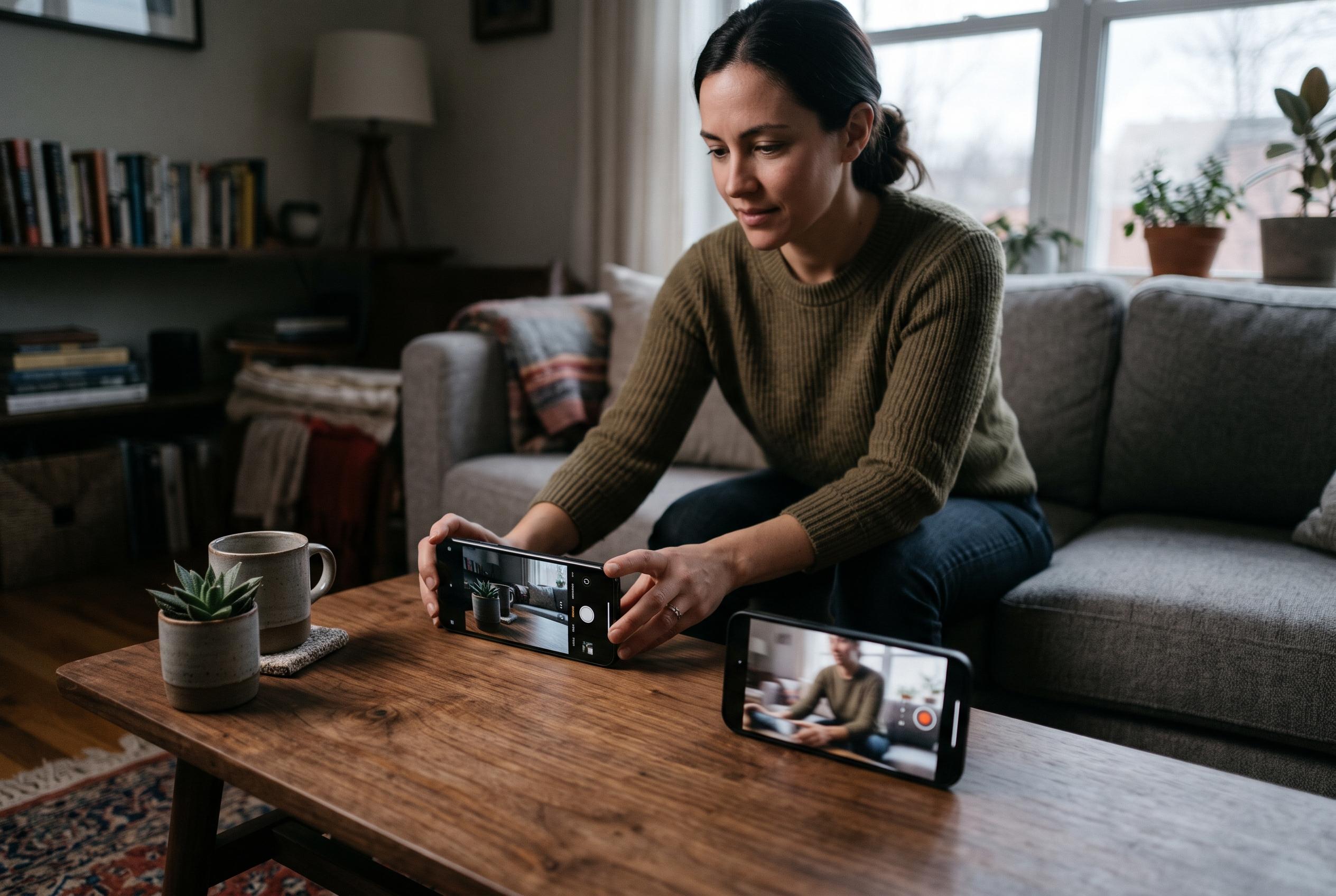

Apple’s flagship offers steadier, more advanced video, while Google’s Pixel delivers stronger low-light photos, zoomed stills and AI-assisted photography.
The comparison between the iPhone 18 Pro Max and Google Pixel 11 Pro reflects two distinct ideas of what a flagship camera should do. According to Geeky Gadgets, the Apple handset is the stronger all-rounder for video, while Google’s device is the more accomplished stills machine. That split is consistent with wider coverage from camera-focused review sites, which have also pointed to the iPhone 18 Pro Max as Apple’s most capable photographic model yet, thanks in part to its triple 48-megapixel rear array and variable-aperture main lens.
For main-camera photography, the Pixel appears to have the cleaner edge. Review comparisons from PhoneArena describe Google’s 50-megapixel main sensor as better suited to texture, tonal accuracy and detail retention in ordinary shooting conditions. The iPhone’s variable aperture, however, gives it a useful technical advantage: it can adjust depth of field more flexibly than a fixed-aperture rival. That does not automatically make it the sharper stills camera, but it does give photographers more room to shape the look of an image.
Where Apple pulls ahead is video. The iPhone 18 Pro Max is described across the supplied reporting as the stronger device for motion capture, with more stable footage, smoother transitions and better handling of changing light. Digital Camera World also notes that the phone supports ProRes RAW recording, underlining how seriously Apple continues to treat the device as a creator tool. For users who regularly shoot clips, interviews or social video, that combination of consistency and control matters more than headline sensor size.
The same pattern largely holds in low light and on the zoom lens. Geeky Gadgets reports that the Pixel 11 Pro is the more dependable performer for night photography, with less noise and better balance in dim scenes. The Pixel also seems to have the stronger telephoto setup for stills, helped by a larger sensor on the 5x lens, according to the supplied comparisons. Apple narrows the gap in practice with steadier zoomed video and better focus tracking, which again points to a design that favours motion over static detail.
Ultra-wide performance follows a similar divide. The Pixel is said to produce cleaner wide-angle stills, especially when light levels fall, while the iPhone delivers the more polished ultra-wide video. Selfie performance is split by lighting too: the Pixel is reported to fare better at night, whereas the iPhone offers more natural skin tones and more dependable daytime exposure. For creators, that means the best front camera depends less on resolution and more on whether the priority is vlogging or casual portrait shooting.
The software layer also reinforces the contrast. Google’s camera app leans into AI-led tools such as Best Take, Magic Capture and Add Me, which are intended to improve the odds of getting a usable photograph rather than requiring careful manual work. Apple’s camera app, by contrast, is presented as more restrained but more video-focused, with cinematic mode, action mode, 4K slow motion and time-lapse among its headline features. Device reviews from PhoneArena also highlight that Apple has expanded manual control and photographic styles, although the Pixel still appears to offer the more flexible stills workflow for advanced users.
Taken together, the choice is straightforward. The iPhone 18 Pro Max is the better option for video, front-camera filming and users who want a single phone that can handle most creative tasks with minimal friction. The Pixel 11 Pro is the stronger pick for people who care most about photography, especially in low light, at longer focal lengths and in AI-assisted shooting. In other words, Apple is aiming for the more capable moviemaker, while Google is chasing the more dependable photo-first phone.
Disclaimer: This content is intended for informational purposes only. Readers are advised to exercise their own judgement, conduct due diligence, or consult a qualified expert before acting on any information provided.