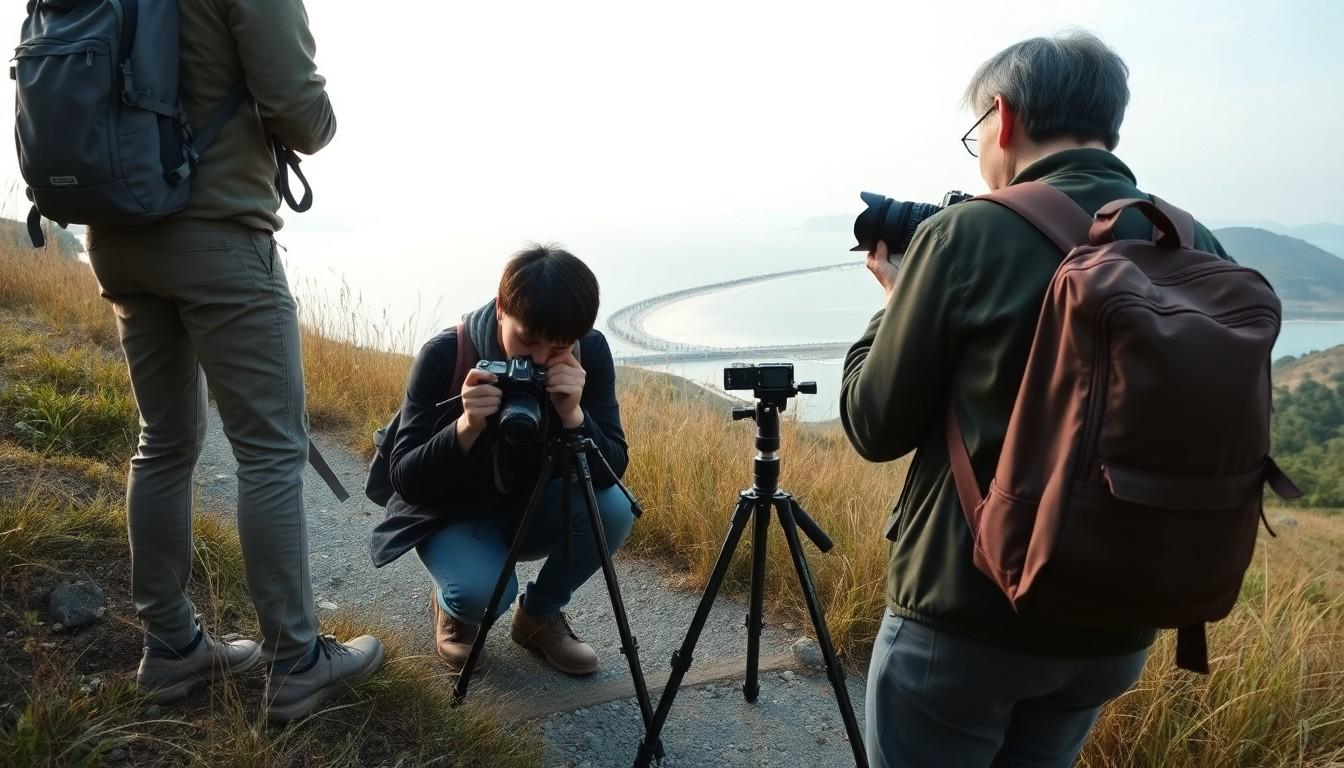

A new wave of outdoor cameras, from Nikon’s Z8 to Fujifilm’s X-S20, are redefining field performance by balancing image quality, portability, and weather resistance, offering photographers tailored options for landscape, wildlife, and night sky work.
Choosing a camera for outdoor photography is less about chasing the latest release than finding a body that can cope with changing light, difficult terrain and subjects that move at very different speeds. For landscape work, wildlife, night skies and expedition travel, the best option is usually the one that balances image quality, weather protection, autofocus and portability rather than simply the most expensive model. The current crop of recommended cameras reflects that reality, with several established bodies still offering professional performance and strong value.
According to Outdoor Photographer, the Nikon Z8 is the standout all-rounder for outdoor use. TechRadar’s review backs up that view, describing it as exceptionally sharp, fast to focus and well sealed against the elements, while also noting that its smaller body makes it easier to carry on long hikes than the larger flagship Z9. Its 45.7-megapixel stacked sensor, rapid burst shooting and subject-detection autofocus make it a strong choice for photographers who move between landscapes, wildlife and action in a single outing.
For landscape specialists, the Sony Alpha 7R V remains a compelling option. TechRadar and Tom’s Guide both point to its 61-megapixel full-frame sensor, which delivers exceptional detail and wide dynamic range, while the camera’s AI-assisted autofocus and eight-stop in-body stabilisation add flexibility in the field. Cameralabs also highlights the four-axis articulating screen and features such as focus bracketing and a bulb timer, which suit long-exposure work. The trade-off is clear: the huge files demand powerful computers and high-quality lenses to get the most from the sensor.
Wildlife photographers are better served by speed, tracking and handling with large telephoto lenses, which is where the Canon EOS R3 comes in. Outdoor Photographer’s recommendation is consistent with its reputation as a fast, durable body built for action, with burst shooting up to 30 frames per second and advanced autofocus designed to follow birds and other subjects in busy scenes. Its integrated grip and weather resistance make it practical in rough conditions, even if its 24-megapixel resolution is less attractive for those who prioritise heavy cropping or huge prints.
For night work, the Nikon Z6 II continues to offer a strong balance of low-light performance and affordability. Outdoor Photographer notes its clean high-ISO files, compact body and useful interval and time-lapse tools, all of which are helpful for Milky Way, star-trail and aurora photography. That older design may no longer lead the class in autofocus, but its full-frame sensor and travel-friendly size keep it relevant for photographers heading to remote dark-sky locations.
At the more affordable end, the Fujifilm X-S20 stands out as a well-rounded choice for hikers, travellers and enthusiasts who want capable performance without spending several thousand pounds. Its APS-C sensor, effective stabilisation, strong battery life and subject-detection autofocus make it versatile enough for many outdoor situations, while Fujifilm’s colour science and Film Simulation modes appeal to photographers who want pleasing JPEGs straight from the camera. The smaller sensor is less suited to extreme background blur than full-frame rivals, but the lower price and lighter weight will matter more to many buyers.
The broader lesson from these recommendations is that the best outdoor camera is the one matched to the job. Weather sealing matters when rain or dust arrives without warning; lens choice may matter even more than the body itself; and portability becomes crucial once the walk into the hills gets longer than expected. For many photographers, the most important upgrade will still be time in the field rather than a newer model in the bag.
Disclaimer: This content is intended for informational purposes only. Readers are advised to exercise their own judgement, conduct due diligence, or consult a qualified expert before acting on any information provided.