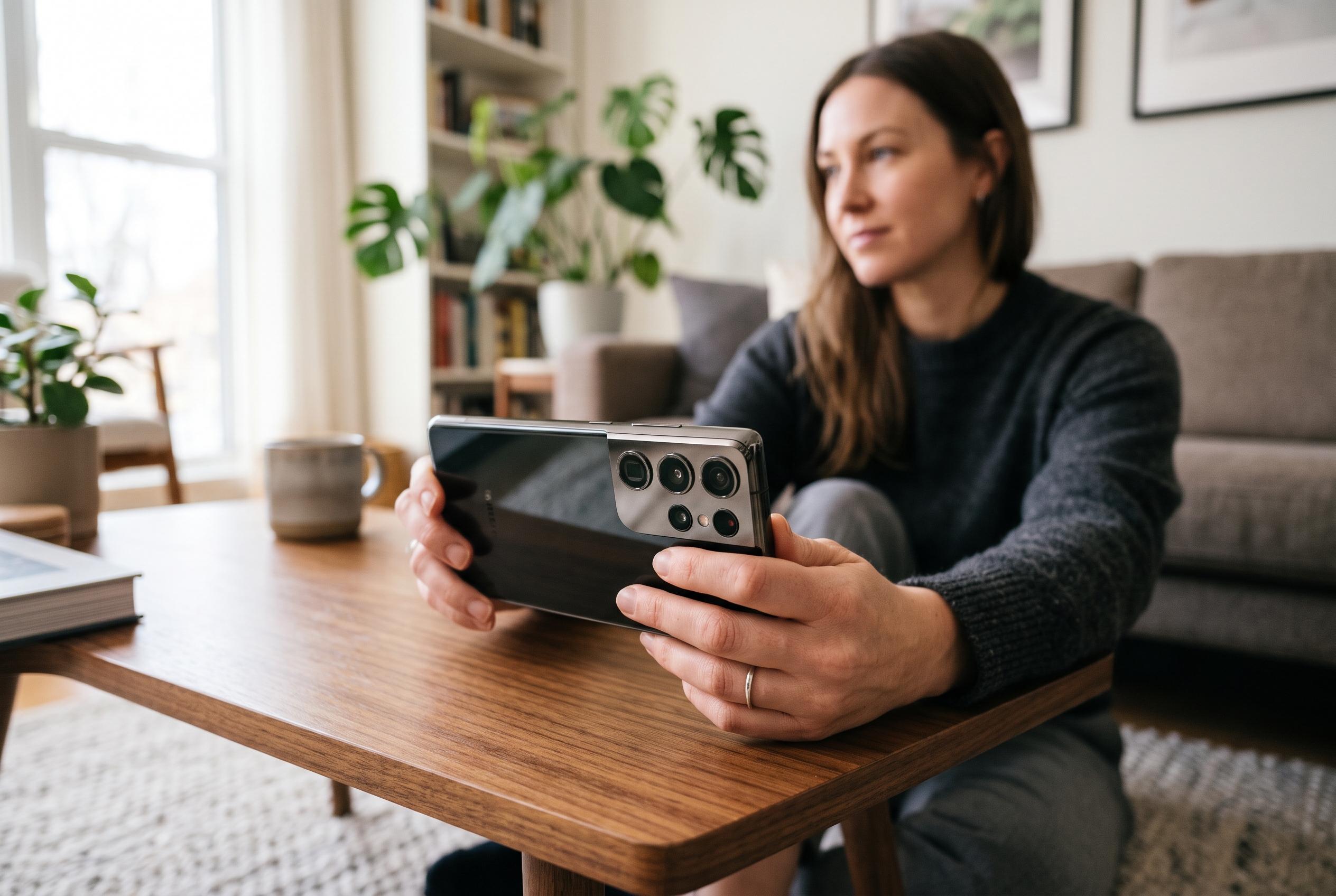

Motorola’s Signature 27 promises longer-range photography and flagship Android hardware, but until its price, camera performance and battery life are independently tested, Apple’s iPhone 18 Pro Max remains the safer premium buy.
For anyone choosing a premium phone today, the safer purchase is still the iPhone 18 Pro Max. Apple has already put the device on sale, and its strengths are established rather than theoretical: its video pipeline includes ProRes, ProRes RAW through compatible apps, Apple Log 2 and ACES support, while independent lab testing has already measured its battery life and sustained performance. Motorola’s Signature 27, by contrast, remains an announced device rather than a retail one, with no confirmed US price and no published review samples yet, so its appeal depends more on promise than proof.
That matters because Motorola is clearly targeting the same enthusiast audience Apple is trying to hold. The Signature 27 was unveiled at Qualcomm’s Snapdragon Summit on 22 September, and Motorola has said more details will arrive in November. The company also appears to be trying to reassure US buyers that this is not another premium model that stays out of the American market, after the first Signature never officially went on sale there. In an Android Central interview, Motorola’s Nicole Hagen said the company had heard from disappointed US buyers, including some who imported the earlier model anyway.
On paper, the clearest hardware advantage for Motorola is zoom. The Signature 27 is said to pair a 50MP Sony LYTIA 910 main sensor with a 200MP periscope telephoto, but Motorola has not disclosed the zoom factor, and there are no public camera samples yet. That leaves a large gap between specification and real-world result. By comparison, the iPhone 18 Pro Max uses a 48MP telephoto camera with 4x optical reach, and Apple’s 8x option is described as optical-quality rather than true optical zoom. In practice, that makes the Motorola look stronger for reach, but only if its lens and processing can turn those extra pixels into visible detail in less-than-ideal light.
Apple also keeps the upper hand in video, at least for now. The iPhone 18 Pro Max has a clearly documented pro workflow, including ProRes RAW, Apple Log 2, ACES colour management and genlock with compatible gear. The trade-off is that some features have limits: 4K120 ProRes, for example, requires external storage. Still, that is a mature toolset for editors, small crews and serious creators who need to know exactly what the phone can do before they buy it. Motorola has talked about an AI-driven Video Enhancement Engine, Qualcomm-assisted stabilisation and Gemini-powered video generation, but it has not published codec details, log support or frame-rate limits for the Signature 27.
Battery and performance are easier to quantify on Apple’s side as well. TechRadar reported that the iPhone 18 Pro Max lasted 18 hours and 27 minutes in continuous web-browsing tests over cellular, while GSMArena’s testing put the nano-SIM model’s Active Use score at 19:20. The same lab work also showed a quick charge to 50% in 15 minutes and 81% in 30 minutes. Performance results are equally documented, with benchmark figures from PhoneArena and sustained-load testing from GSMArena indicating that the phone can hold up under heavy use. Motorola says the Signature 27 has Snapdragon 8 Elite Extreme Gen 6 silicon and a larger ArcticMesh cooling system, but there are no independent figures yet to show how those claims translate into real endurance.
That leaves platform choice as the deciding factor for many buyers. Apple’s AI features are still tied to regional availability, and some services are not initially available in the European Union, while Motorola is leaning on Google’s Gemini ecosystem instead. For existing iPhone owners, moving to the Signature 27 would also mean abandoning Apple-only accessories such as the Apple Watch, which does not work with Android. For Android users, the decision is more open, but the absence of a price, detailed camera samples and confirmed battery results makes the Signature 27 impossible to call better value at this stage. The practical choice is simple: buy the iPhone 18 Pro Max if you need a proven camera phone now; wait for Motorola if long-range zoom and Android flexibility matter more than certainty.
Disclaimer: This content is intended for informational purposes only. Readers are advised to exercise their own judgement, conduct due diligence, or consult a qualified expert before acting on any information provided.