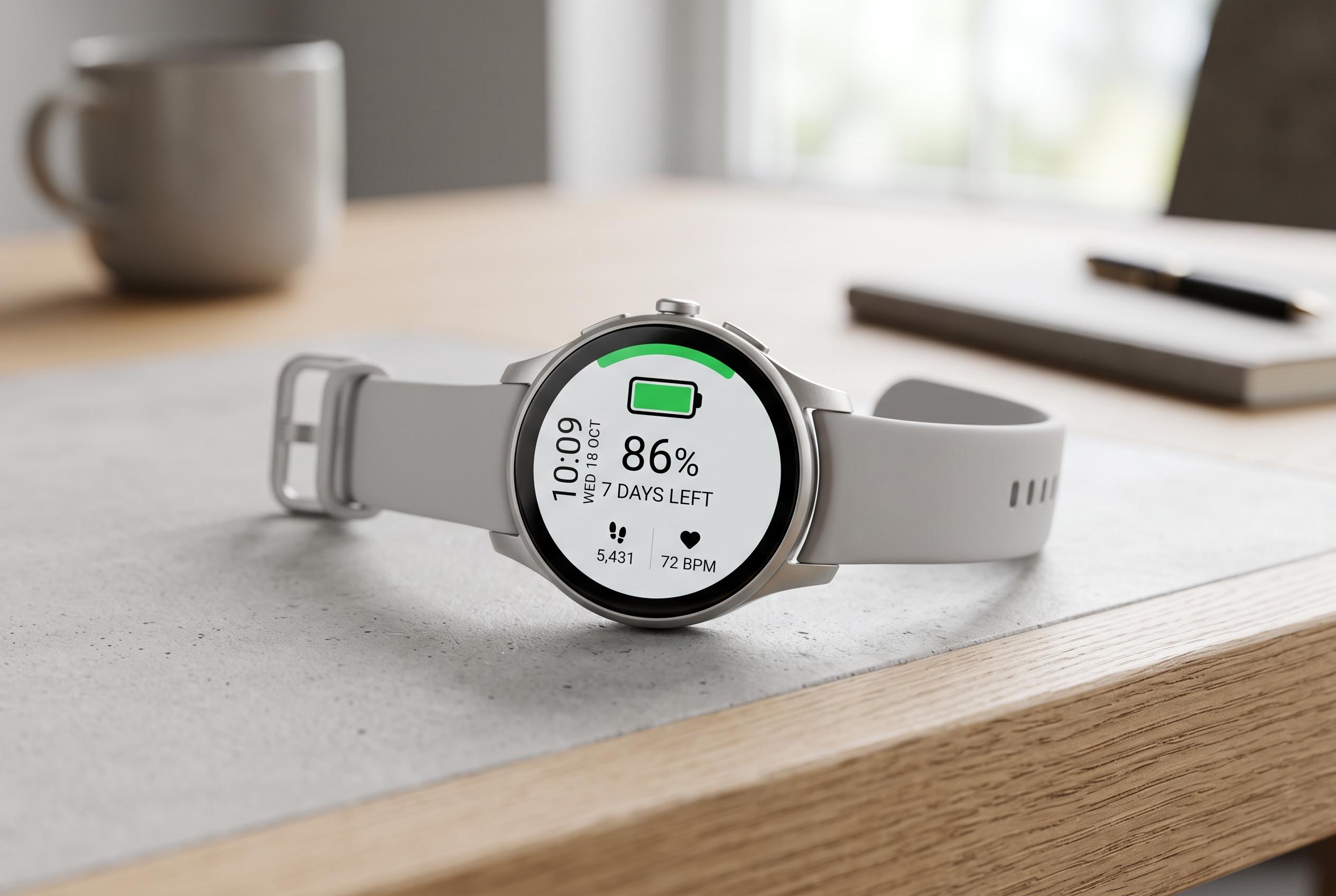

While the Pebble Time 2 offered a light design and exceptional battery life, latest alternatives from Garmin, Amazfit, Samsung, and Google provide more features at varying price points, redefining the minimalist smartwatch segment.
The Pebble Time 2 has an appeal that many modern smartwatches have abandoned: a light body, an e-paper screen that is easy to read outdoors and battery life measured in weeks rather than days. But Android Authority notes that the watch is best suited to people who want a stripped-back experience. Its fitness tools are limited, sleep tracking is modest and its app support is narrow compared with more established smartwatch platforms. For buyers who want more function, several alternatives now cover that space more convincingly.
Garmin’s Instinct 3 AMOLED is the clearest option for users who want Pebble-like button navigation but far more capability. Garmin describes it as a rugged GPS smartwatch with a 1.2-inch AMOLED display, built-in GPS, sleep tracking, Pulse Ox and Garmin Pay. The company says smartwatch battery life can reach 18 days, although that will vary with settings and feature use. It is also built for harsher conditions, with 10 ATM water resistance and MIL-STD-810 certification.
For a lower-priced but still capable Garmin option, the Forerunner 70 is aimed squarely at runners. Garmin says the watch includes a 1.2-inch AMOLED display, built-in GPS, Garmin Coach plans and up to 13 days of battery life in smartwatch mode. Android Authority’s comparison highlights its lighter plastic build and stronger software ecosystem than the Pebble, including Connect IQ support and a more complete training toolkit, though battery endurance and touch-only navigation remain trade-offs.
If price matters most, the Amazfit Bip 6 is the value pick in the group. Android Authority says it costs about $80, offers a bright AMOLED display and can last up to 14 days, with roughly a week possible under heavier use. It also adds basics such as GPS and Bluetooth calling, but the article notes that the lower price comes with compromises in sensor quality and overall reliability compared with pricier rivals.
At the higher end, Samsung’s Galaxy Watch 9 and Google’s Pixel Watch 4 are more like compact smartphones than minimalist watches. Android Authority says both bring powerful processors, rich app support, strong health features and vivid AMOLED displays, but at the cost of far shorter battery life than the Pebble Time 2. Samsung’s model starts at $380 and typically lasts one to two days, while Google’s starts at $350 and adds features such as satellite SOS and loss-of-pulse detection. For buyers who want a full-featured Android smartwatch rather than a retro, battery-first device, either is a substantial step up.
Disclaimer: This content is intended for informational purposes only. Readers are advised to exercise their own judgement, conduct due diligence, or consult a qualified expert before acting on any information provided.