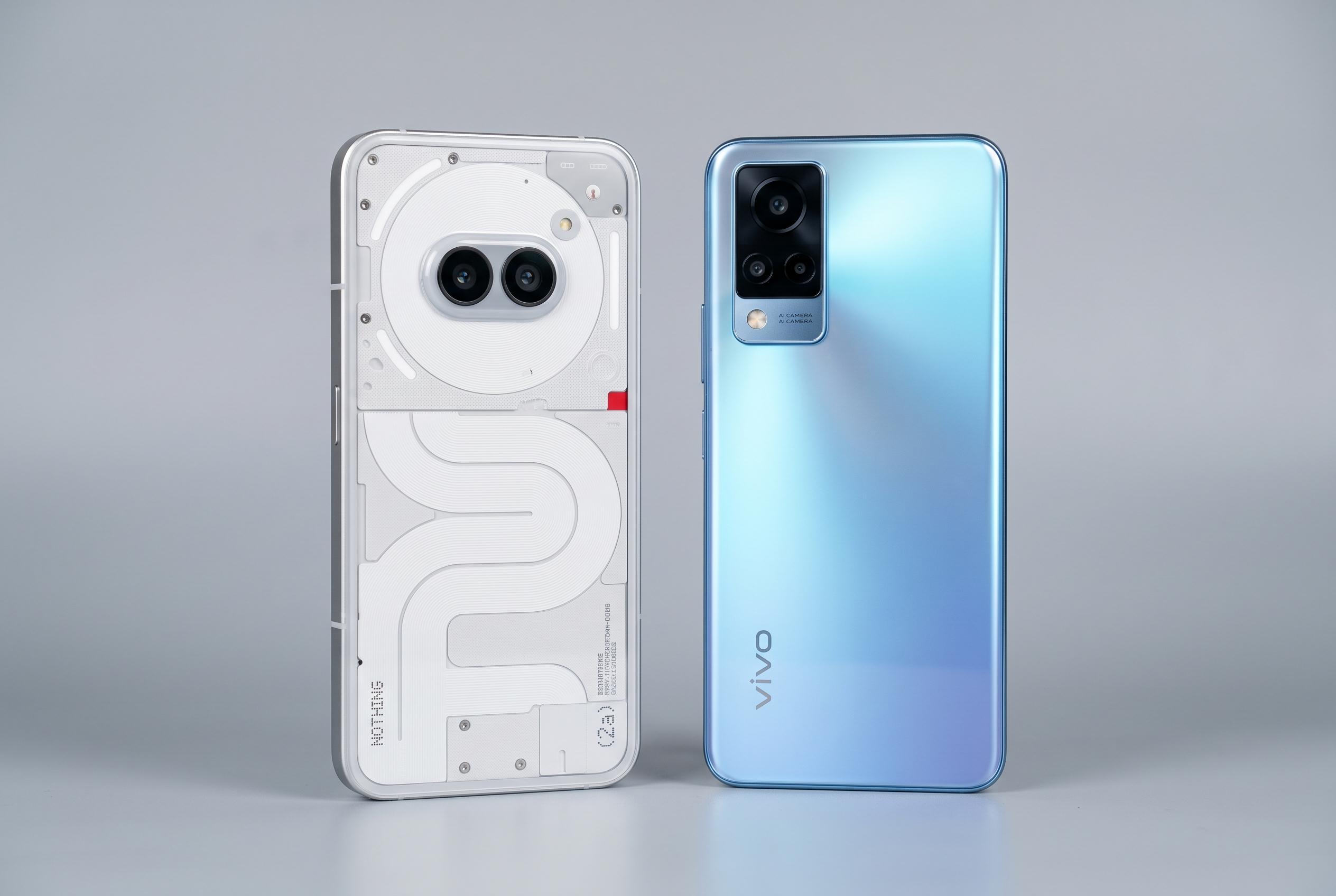

The mid-range smartphone market sees a fresh debate between balanced performance from the Nothing Phone (4a) and the durability and battery life of the Vivo Y500, with price differences influencing consumer choice.
The mid-range smartphone market is being shaped by two very different propositions. According to the supplied report, the Nothing Phone (4a) is aimed at buyers who want stronger performance, better cameras and a more polished multimedia experience, while the Vivo Y500 is built around battery life and durability. The gap in price can be about $200, depending on market and configuration, so the decision rests largely on what each buyer values most.
Nothing’s device focuses on balance. It uses a 6.78-inch AMOLED panel with a 2,720 x 1,224 resolution, a 120Hz refresh rate and HDR10+, alongside the company’s transparent design language and its new Glyph Bar. TechRadar and Tech Advisor both describe the phone as distinctive and well finished, with a user-friendly software experience and strong value for money.
Its camera package is one of the main draws. The phone has a 50-megapixel main sensor with optical image stabilisation, a 50-megapixel periscope telephoto camera with 3.5x optical zoom, and an 8-megapixel ultra-wide lens. The 32-megapixel front camera can record 4K video. Reviewers at Tech Advisor and TechRadar both highlighted the camera system as a clear strength, even if they also noted that the handset is not the most durable in its class.
Performance also leans towards Nothing. The phone is powered by Qualcomm’s Snapdragon 7s Gen 4, with up to 12GB of RAM and UFS 3.1 storage. That combination is designed to deliver a more rounded experience than the Vivo, which uses a Unisoc T7300 chip that sits below the Nothing model in general performance. The Nothing Phone (4a) launched at €349, rising to €429 for the 12GB-plus-256GB version, according to the supplied article.
Vivo takes the opposite approach. The Y500 pairs a 6.83-inch AMOLED display with a 1.5K resolution, a 120Hz refresh rate and a claimed peak brightness of 5,000 nits, but its real selling point is endurance. Its 8,100mAh silicon-carbon battery is far larger than the Nothing’s 5,080mAh cell and supports 44W charging. It also carries IP68 and IP69 ratings, plus MIL-STD-810H certification, giving it a far stronger case for users who prioritise long runtime and tougher protection.
In practical terms, the choice is clear. The Nothing Phone (4a) is the better all-round option for people who want stronger cameras, better video and a more capable chipset. The Vivo Y500 is the more specialised device, built for buyers who want the longest possible battery life and a phone that can withstand harsher conditions.
Disclaimer: This content is intended for informational purposes only. Readers are advised to exercise their own judgement, conduct due diligence, or consult a qualified expert before acting on any information provided.