
As fresh smartwatch models flood the market in August 2026, buyers find that current values lie in older models with proven features, making smarter shopping choices for fitness, notifications, and battery life.
Several new smartwatches have arrived in recent weeks, but the newest model is not always the best buy. For August 2026, the stronger choices are often the devices that have already dropped in price while still offering the features most people actually use: fitness tracking, notifications, battery life and phone integration. Reviews from Tom’s Guide, Wareable and Macworld show that this is especially true in the Android and Apple camps, where last year’s models can now deliver better value than the latest launch.
Samsung’s Galaxy Watch Ultra remains the most capable choice for buyers who want a rugged, premium Android smartwatch. Tom’s Guide describes it as a durable, sporty watch with accurate sensors and strong battery life, although it also notes that a few quirks remain for a product at this price. T3 has also reported significant discounts on the 2025 version in the US, which makes it more relevant for buyers willing to pay for a tougher case, larger display and more advanced outdoor features.
The Galaxy Watch 7 is still the smarter Samsung buy for most Android users. It keeps the polished Wear OS experience, strong health tracking and close Galaxy phone integration, but without the bulk or cost of the Ultra. The trade-off is battery life: as with most full-featured Samsung watches, it is still generally a daily-charge device rather than an endurance model.
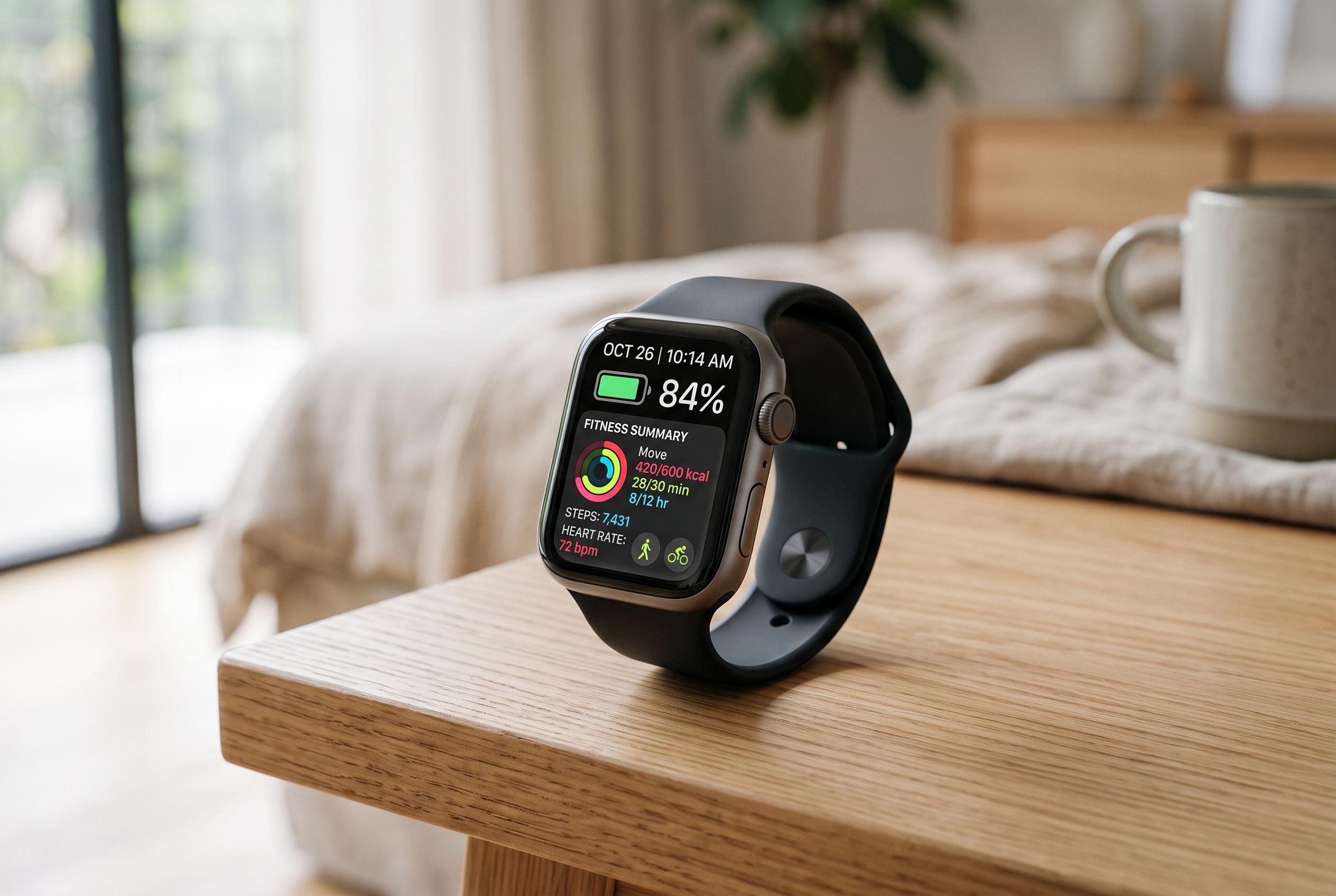
For iPhone users, the Apple Watch SE 3 stands out as the most practical entry-level option. Wareable says the S10 chip prevents performance compromises and highlights the Always-On display and Double Tap gesture, while Tom’s Guide calls it the most complete budget-friendly Apple Watch yet. Both reviews also point to the same limits: the design is familiar rather than fresh, and battery life is still around a day.
The Redmi Watch 5 is the best value pick for buyers who want a large AMOLED screen, long battery life and simple smartwatch functions without paying premium prices. Its appeal is straightforward: it covers notifications, exercise tracking and basic health monitoring well, while offering far more battery life than most premium watches. For anyone who wants a capable everyday wearable rather than a full app platform, it is one of the most balanced options.
The older Redmi Watch 4 is still worth considering, but only if it is meaningfully cheaper than the Watch 5. Its feature set remains solid, with GPS, a bright display and broad sports tracking, yet the newer model improves the overall package enough that the Watch 4 now makes sense mainly as a clearance buy.
Haylou’s Watch 3 is aimed at buyers who want a good-looking, inexpensive smartwatch with Bluetooth calling. It has a large AMOLED display and a more premium appearance than its price suggests, but it lacks built-in GPS, so outdoor route tracking depends on a connected phone. That makes it a sensible choice for casual use rather than serious training.
The Haylou Solar Lite 2 follows a similar logic. It is simple, light and cheap, with AMOLED display quality, calling support and basic fitness tools, plus integration with Strava. Like the Watch 3, it does not include onboard GPS, so runners and walkers who prefer to leave their phone at home should look elsewhere.
Disclaimer: This content is intended for informational purposes only. Readers are advised to exercise their own judgement, conduct due diligence, or consult a qualified expert before acting on any information provided.