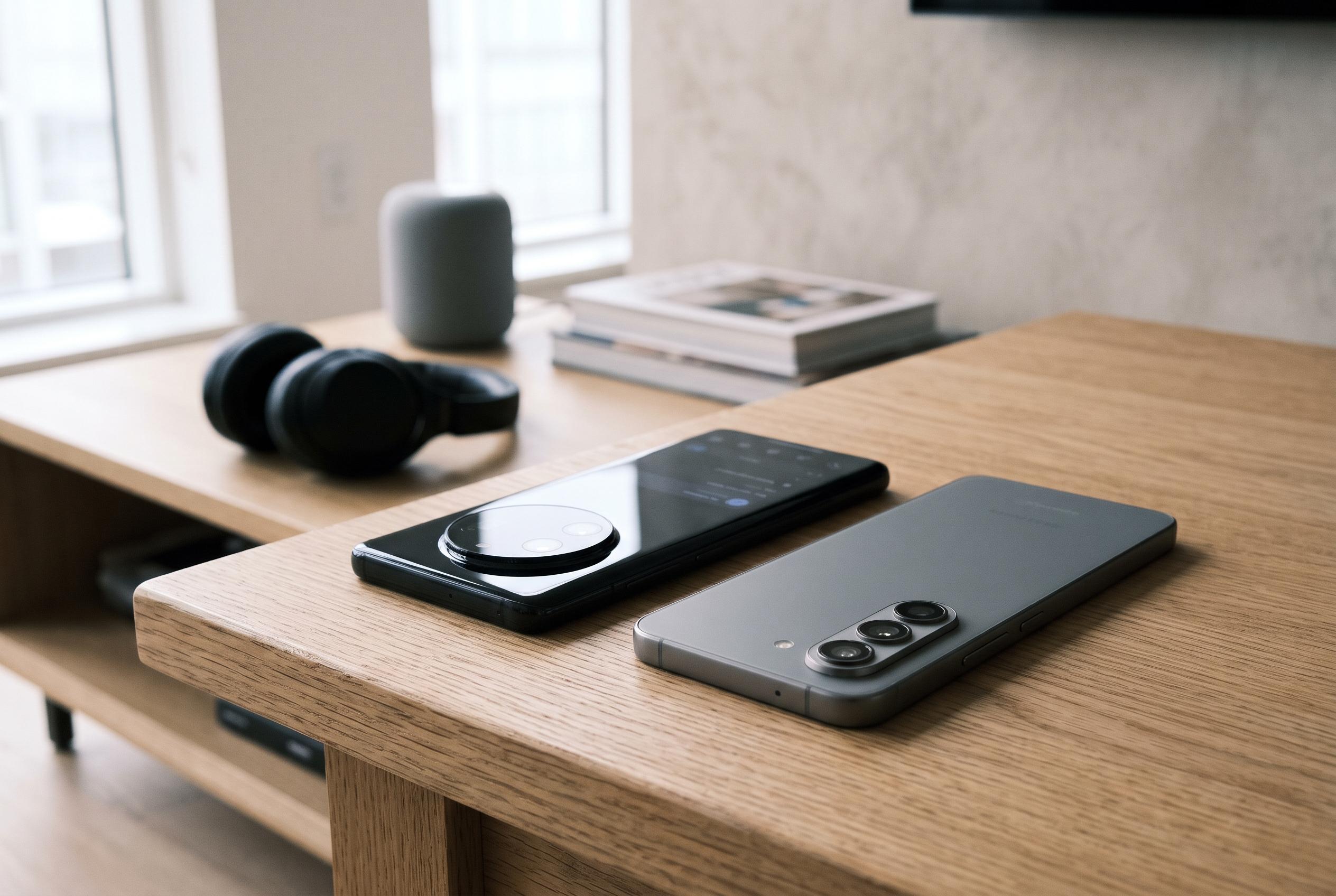

The Find X10 Pro Max and X500 Pro Max push flagship smartphone photography in contrasting directions, pairing huge telephoto sensors with radically different main-camera strategies.
Oppo and Vivo have each built their reputations around ambitious camera hardware, and their latest flagships continue that pattern. The Oppo Find X10 Pro Max and Vivo X500 Pro Max were both put through sample-photo comparisons that underline how far premium Android phones have pushed mobile imaging, with each model taking a different route to the same goal: more detail, better low-light performance and stronger zoom. According to the comparison, both handsets use unusually large telephoto sensors, while Oppo also stands out for pairing that with an ultra-wide module that is far larger than the one usually found on a phone of this class.
On paper, the two systems are impressive in different ways. Oppo’s phone uses a triple 200-megapixel rear setup, with a 200-megapixel main camera, a 200-megapixel ultra-wide lens and a 200-megapixel periscope telephoto camera. Android Central reported that Oppo is positioning the Pro Max as the first phone with this particular triple-200MP arrangement, and said the main sensor uses Samsung’s ISOCELL HPC unit with DeepPix processing to improve HDR performance. Vivo takes a more conventional resolution approach on the primary camera, using a 50-megapixel Sony LOFIC Lytia L910 sensor, but offsets that with a 200-megapixel telephoto camera and a larger 1/1.4-inch sensor there, according to DPReview.
That contrast matters because the main camera is only one part of the imaging pipeline. TechRadar’s review of the Oppo device said its large sensors across all three rear cameras deliver strong image quality, and praised the phone’s zoom performance, while also noting that its size and cost may deter some buyers. The same review highlighted advanced video support, including 8K recording at 30 frames per second and 4K at 120 frames per second, alongside the MediaTek Dimensity 9600 Pro chipset and a 6.78-inch OLED panel with a 144Hz refresh rate. T3 likewise described the Oppo camera system as versatile, with natural colour rendering and excellent detail, although it flagged some video-processing quirks and a reflective display.
Vivo’s approach, by contrast, appears more focused on dynamic range and telephoto reach. DPReview said the LOFIC main sensor is designed to preserve highlight detail while retaining cleaner shadows, which should matter in scenes with difficult lighting. GSMArena’s review of the X500 Pro Max also pointed to the strength of the camera package, especially the 50-megapixel primary sensor and 200-megapixel periscope lens, as the phone competes for a place among the most capable camera flagships. In practical terms, the sample images suggest there is no single winner across every shooting mode: Oppo seems to lean towards aggressive hardware breadth, while Vivo looks more measured, but potentially better balanced, in the way it handles main-camera imaging and zoom.
Disclaimer: This content is intended for informational purposes only. Readers are advised to exercise their own judgement, conduct due diligence, or consult a qualified expert before acting on any information provided.