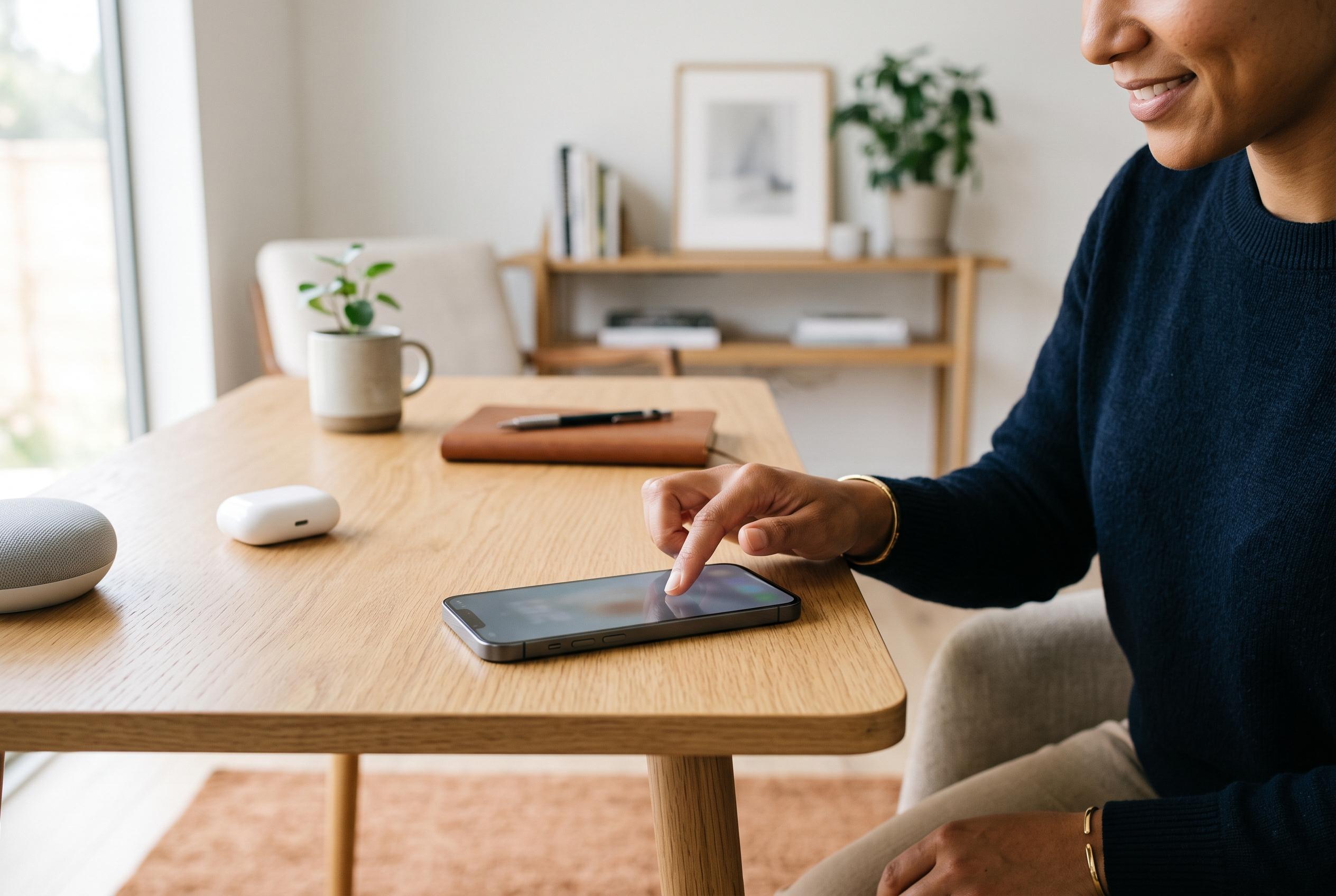

Google’s Pixel 11 Pro XL now matches Apple’s flagship in design, software and everyday usability, although the iPhone 18 Pro Max remains ahead for performance, video and ecosystem integration.
Android Authority’s Stephen Radochia argues that the old binary choice between iPhone and Pixel is fading fast. In his comparison of the Pixel 11 Pro XL and iPhone 18 Pro Max, he says the two devices now compete on broadly equal terms for many buyers, rather than serving as symbols of separate and largely immovable camps. Google has spent several generations making Pixel phones look and feel more premium, while Apple has lost some of the effortless dominance it once enjoyed in high-end smartphones.
The Pixel 11 Pro XL is presented as the clearest sign yet that Google has settled on a more mature formula. The phone is described as slimmer in feel, lighter than Apple’s flagship at 226g, and far more polished than earlier Pixels, which were often criticised for awkward industrial design. Independent reviews from Notebookcheck, TechRadar, GSMArena and TechAdvisor broadly echo that view, describing the handset as a refined Android flagship with an excellent display, improved materials and a distinctive camera bar, even if its visual changes over the previous generation are modest. Those same reviews also note that the design remains close to last year’s model, despite new finishes and a more seamless-looking camera assembly.
Performance is where the comparison becomes more uneven. Radochia says Apple’s A20 Pro remains the stronger chip for demanding workloads, especially gaming and video editing, and third-party reviews say much the same about the Pixel’s Tensor G6. Notebookcheck characterises the Pixel’s processing power as respectable but unremarkable, while pointing to weak gaming performance as a continuing weakness. Charging speed is another area where the Pixel trails. The Guardian, by contrast, highlighted the handset’s long battery life, suggesting that Google has improved endurance enough to make the device practical for heavy daily use, even if it is not the fastest to refill.
Software is where Google appears to have narrowed the gap most dramatically. Radochia says Android 17’s Material 3 Expressive interface feels more dependable than iOS 27 in day-to-day use, and he singles out cross-platform features such as Quick Share compatibility with AirDrop, RCS support and improved migration tools for people leaving iPhone. That matters because the ecosystem question has historically done much of Apple’s work for it. Yet the iPhone still retains strengths that are difficult for Google to match, particularly a broader developer focus, tighter integration with the Mac and iPad, and a more established social media and app experience.
Camera quality remains one of the few areas where the verdict is less clear-cut. Radochia says the Pixel 11 Pro XL has become more competitive thanks to a larger telephoto sensor, faster Night Sight processing and more pleasing colour output, while Apple’s variable-aperture camera on the iPhone 18 Pro Max helps it keep pace on stills. Video, however, remains a clear Apple advantage. The iPhone’s heavier frame is not only the price of its larger battery in US eSIM-only models, but also part of what makes it such a formidable all-rounder. The conclusion of the comparison is not that Apple has been overtaken, but that Google has finally built a Pixel that can tempt people who were already looking for a way out of Apple’s ecosystem.
Disclaimer: This content is intended for informational purposes only. Readers are advised to exercise their own judgement, conduct due diligence, or consult a qualified expert before acting on any information provided.