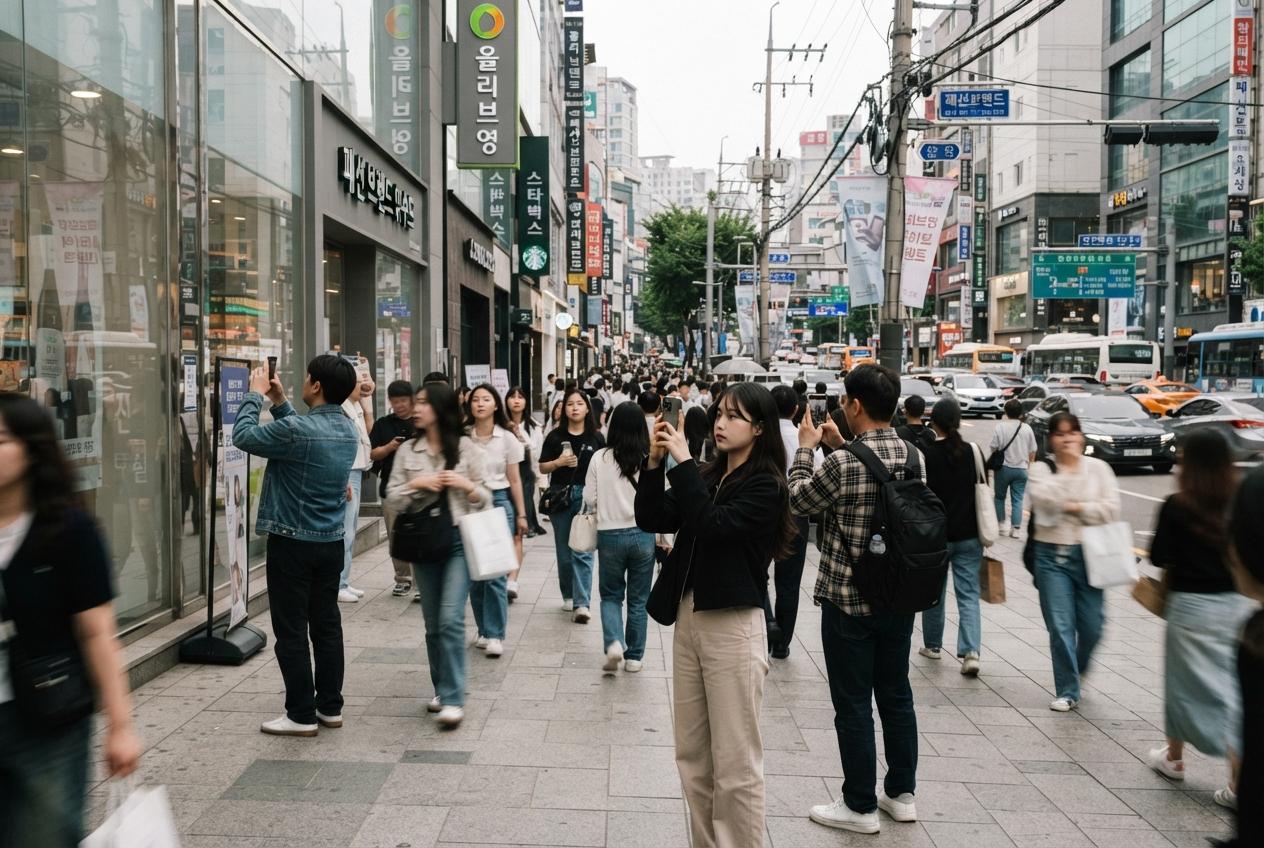

The latest flagship phones from Samsung, Apple, Google, Xiaomi, and OPPO are transforming mobile photography by emphasising image processing, stabilisation, and specialised sensors to cater to creators and everyday users alike.
Smartphones with dependable cameras have become the default tools for everything from quick portraits to short-form video and documentary-style recording, and the latest premium handsets now compete as much on image processing and stabilisation as on raw sensor size. In the current crop, Samsung’s Galaxy S25 Ultra, Apple’s iPhone 16 Pro and Google’s Pixel 10 Pro are widely presented as the strongest all-round options, while Xiaomi’s 15 Ultra and OPPO’s Find X8 Ultra round out a class of devices aimed at users who want sharper results, steadier footage and stronger low-light performance.
Samsung’s Galaxy S25 Ultra remains one of the most complete camera phones available, according to TechRadar and Android Central. The device pairs a 200-megapixel main sensor with optical image stabilisation with a 50-megapixel ultra-wide lens and a 50-megapixel periscope telephoto camera, a combination that gives it broad range and strong detail capture. Reviewers have also noted that the new ultra-wide lens improves macro shots and low-light performance, while faster shutter response helps reduce blur. Some tests, however, suggest Samsung’s processing can still lean towards vivid, heavily saturated output.
Apple’s iPhone 16 Pro is another standout for creators who value consistent video and natural-looking colour. TechRadar reports that its camera system includes a 48-megapixel main sensor, a 48-megapixel ultra-wide lens and a 12-megapixel telephoto lens with 5x optical zoom. The upgrades are aimed at improving both zoom reach and low-light performance, and Apple’s video tools, including cinematic recording and ProRes support, make it especially attractive to vloggers and mobile filmmakers who want footage that is ready for editing.
Google’s Pixel 10 Pro is frequently singled out for computational photography rather than pure hardware. Its strength lies in image processing driven by AI, which helps deliver crisp stills across a range of lighting conditions, making it a strong choice for users who want reliable point-and-shoot results with minimal effort. For people who prioritise quick, well-balanced photographs and stable video without much manual adjustment, it is often seen as the most straightforward option in the group.
Xiaomi’s 15 Ultra and OPPO’s Find X8 Ultra are aimed at users who want more ambition from their camera systems. The Xiaomi model is described as using a large sensor with optical stabilisation, delivering high detail, accurate colour and impressive zoom performance, especially for distant subjects and night photography. OPPO’s flagship, meanwhile, is positioned as a versatile option with stabilisation on several lenses, natural colour rendering, strong portrait capability and solid low-light results, making it well suited to social media content and everyday documentation.
Taken together, the five phones show how much of the premium market now revolves around practical camera quality rather than headline specifications alone. On the evidence of recent reviews, Samsung and Apple remain the safest bets for users seeking the most rounded experience, Google excels in automated image processing, and Xiaomi and OPPO offer compelling alternatives for those who want detail, zoom and dependable results in more specialised shooting conditions.
Disclaimer: This content is intended for informational purposes only. Readers are advised to exercise their own judgement, conduct due diligence, or consult a qualified expert before acting on any information provided.