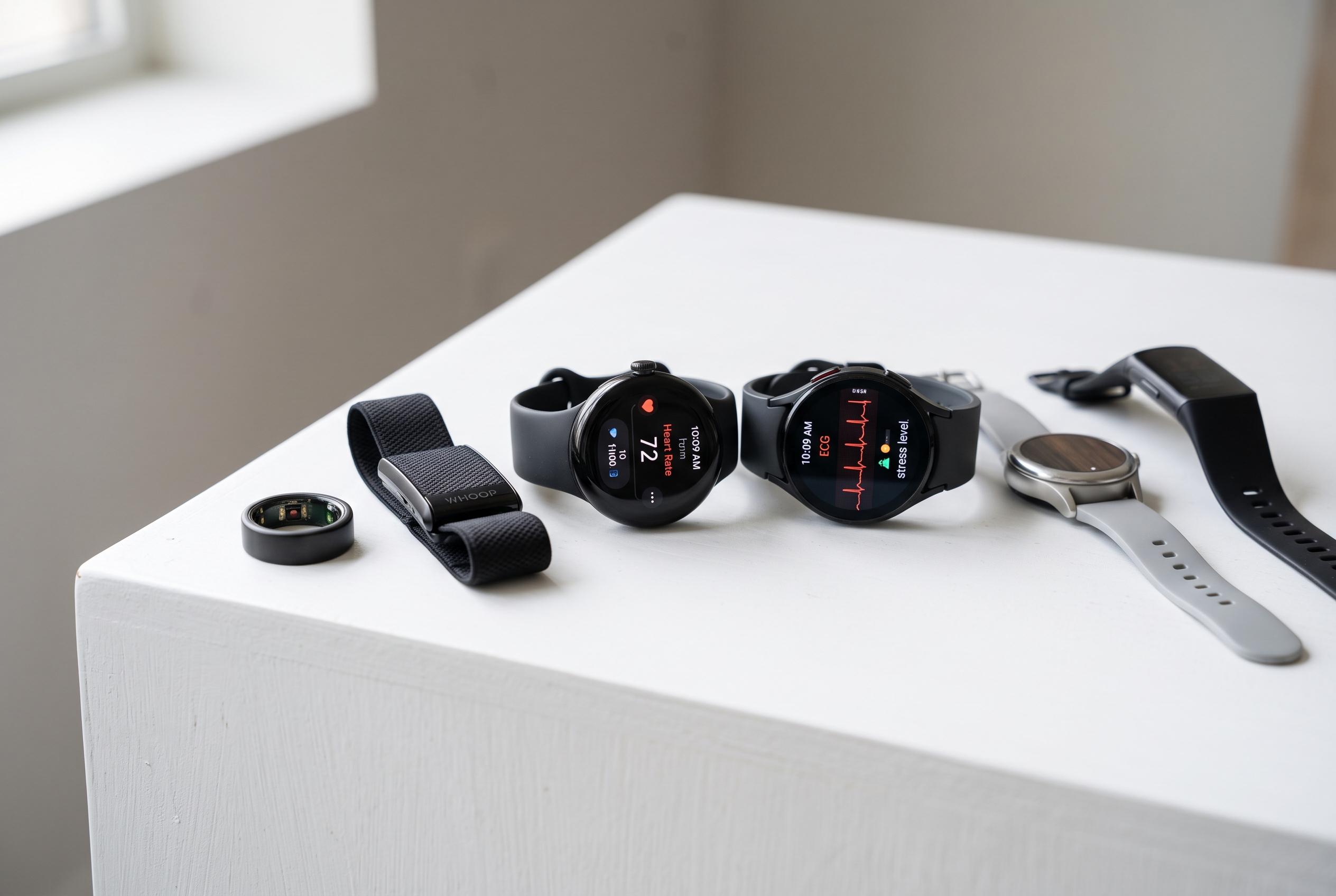

The latest flagship smartwatches from Google and Samsung fail to offer compelling upgrades, as alternative wearable devices like fitness rings and screen-free trackers provide more specialised health monitoring options, signalling a shift in consumer preferences.
The latest wave of wearables should have made the premium smartwatch market feel more compelling. Instead, it has exposed how little the category has moved. Android Police argues that the arrival of the Google Pixel Watch 5, alongside Samsung’s Galaxy Watch 9 and Galaxy Watch Ultra 2, does not make this a better moment to upgrade. It makes a stronger case for looking elsewhere.
That is not because the new watches are poor products. Samsung’s Ultra line still offers the rugged, adventure-focused format it introduced before, while the Galaxy Watch 9 continues the slimmer design language that impressed with last year’s Galaxy Watch 8. Google, meanwhile, has kept the Pixel Watch broadly consistent in shape and approach, adding useful health features without changing the basic proposition in a meaningful way. For owners of recent models, the gains look incremental rather than essential.
The bigger shift is happening outside the smartwatch category. Android Police highlights the Fitbit Air as a sharper fit for many people who care more about health data than app notifications. The device includes pulse-loss monitoring, breathing emergency alerts, blood pressure and insulin trend tracking, plus Google’s Health Coach AI. At roughly $100, it is being positioned as a more practical buy for users who do not need a full watch interface on the wrist.
Screen-free wearables are also becoming a real alternative. Tom’s Guide says the Garmin Cirqa, launched in July 2026, combines a minimalist design with heart-rate, SpO2, skin temperature, sleep and recovery tracking, without a subscription. It costs $199, lasts about 10 days and adds a physical button for workout control. Tom’s Guide also notes that it sits between the lighter Fitbit Air and the subscription-based Whoop 5.0 in size, price and feature depth.
Smart rings are strengthening the argument further. Android Police says the Oura Ring 5 now matches wrist-worn devices closely enough in sleep and basic workout tracking to make a smartwatch unnecessary for many users, while the RingConn Gen 3 offers similar health monitoring without a monthly fee. The broader point is that wearable hardware has diversified. For people who want health tracking without constant screen time, the latest watches may be good, but they are no longer the obvious answer.
Disclaimer: This content is intended for informational purposes only. Readers are advised to exercise their own judgement, conduct due diligence, or consult a qualified expert before acting on any information provided.