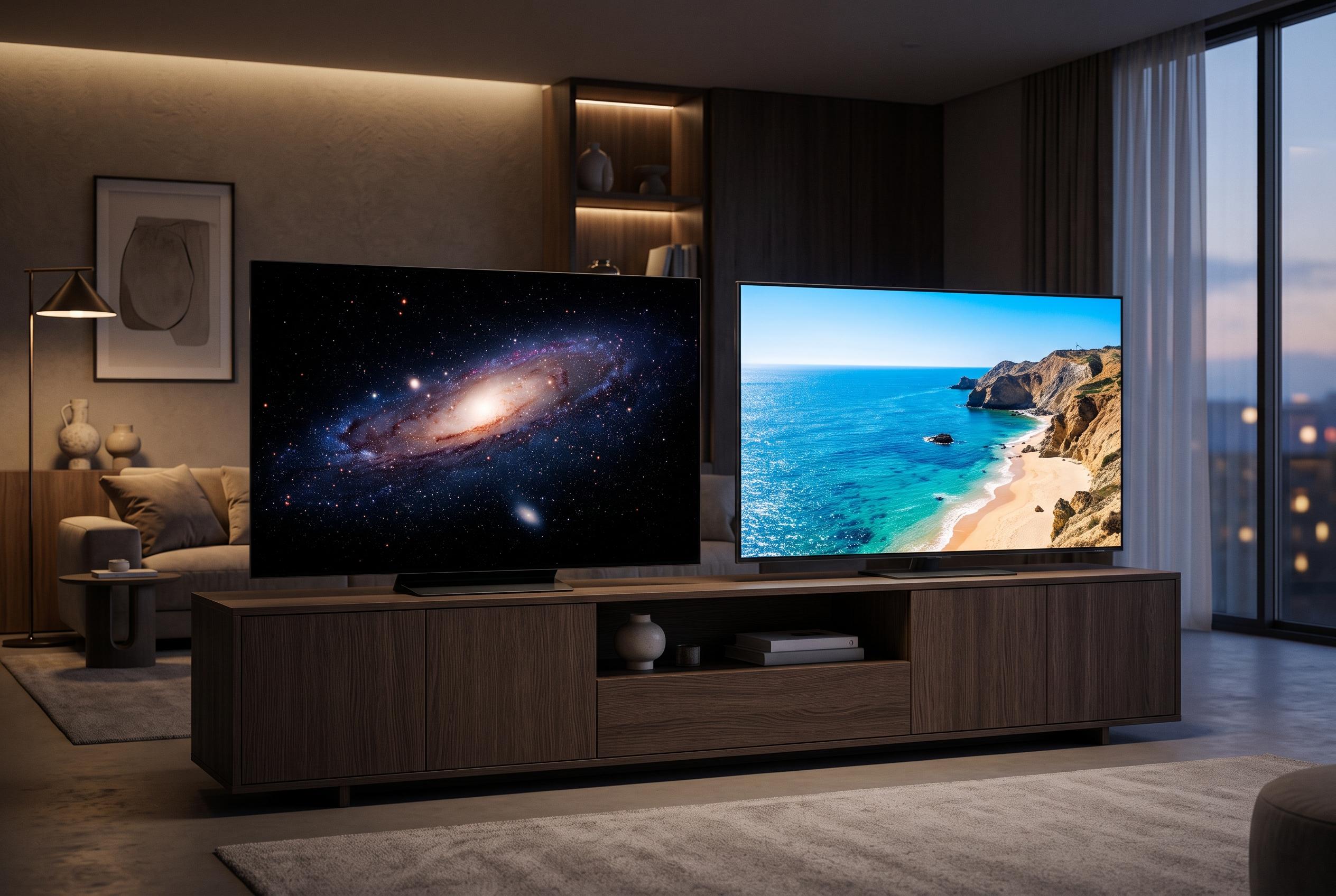

As premium TVs now commonly feature either RGB LED or Tandem OLED screens, consumers must navigate a nuanced landscape of brightness, contrast, colour accuracy, and viewing angles to select the best display for their environment.
Anyone shopping for a premium television now has two newer display types to weigh up: RGB LED and Tandem OLED. Tom’s Guide says the distinction matters because sets using either approach can sit at a similar price, yet deliver very different results in brightness, colour, contrast and day-to-day viewing. For buyers trying to match a screen to a bright living room or a darker cinema-style space, the choice is less about branding than about how the panel is built and what that means in practice.
RGB LED is, in effect, a more advanced form of Mini-LED. Instead of relying on a conventional backlight with colour filters, it uses separate red, green and blue LEDs to produce the image, which gives it a strong advantage in colour intensity and overall brightness. Best Buy says the approach is designed to deliver more accurate colour and a purer picture than standard LED sets, while Tom’s Guide’s hands-on testing suggests its biggest strengths are vivid colour and punchy light output. The trade-off is familiar to Mini-LED owners: haloing, light bloom, limited off-axis performance and, in some scenes, colour crosstalk, where light objects can pick up a tint from nearby colours.
Tandem OLED takes a different route. It uses a stacked OLED structure, which boosts efficiency and brightness without giving up the self-emissive nature that makes OLED famous for deep black levels and precise contrast. RTINGS describes Tandem OLED as a layered panel design intended to improve brightness and colour volume, while Cinemaconfig says LG Display’s TV versions of the technology have evolved through newer Primary RGB Tandem implementations. In practice, that means brighter highlights and better full-screen output than older WOLED panels, though Tom’s Guide notes that Tandem OLED still does not match the broad colour punch or sustained brightness of the best RGB LED sets, and it remains less colour-rich than top QD-OLED models.
The buying advice is straightforward. If a set is meant for daytime viewing, a bright room or buyers who want the most saturated, eye-catching image, RGB LED has the edge. If the priority is contrast, black depth and wide viewing angles, Tandem OLED remains the more convincing cinema-style option, even if it is now bright enough to cope with normal daytime use. TechRadar’s comparison of flagship models also suggests the decision can come down to context: RGB LED can win on full-screen brightness and glare handling, while OLED can still lead on peak highlight detail and overall contrast. Tom’s Guide’s conclusion is that both are premium technologies, but they solve different problems.
Disclaimer: This content is intended for informational purposes only. Readers are advised to exercise their own judgement, conduct due diligence, or consult a qualified expert before acting on any information provided.