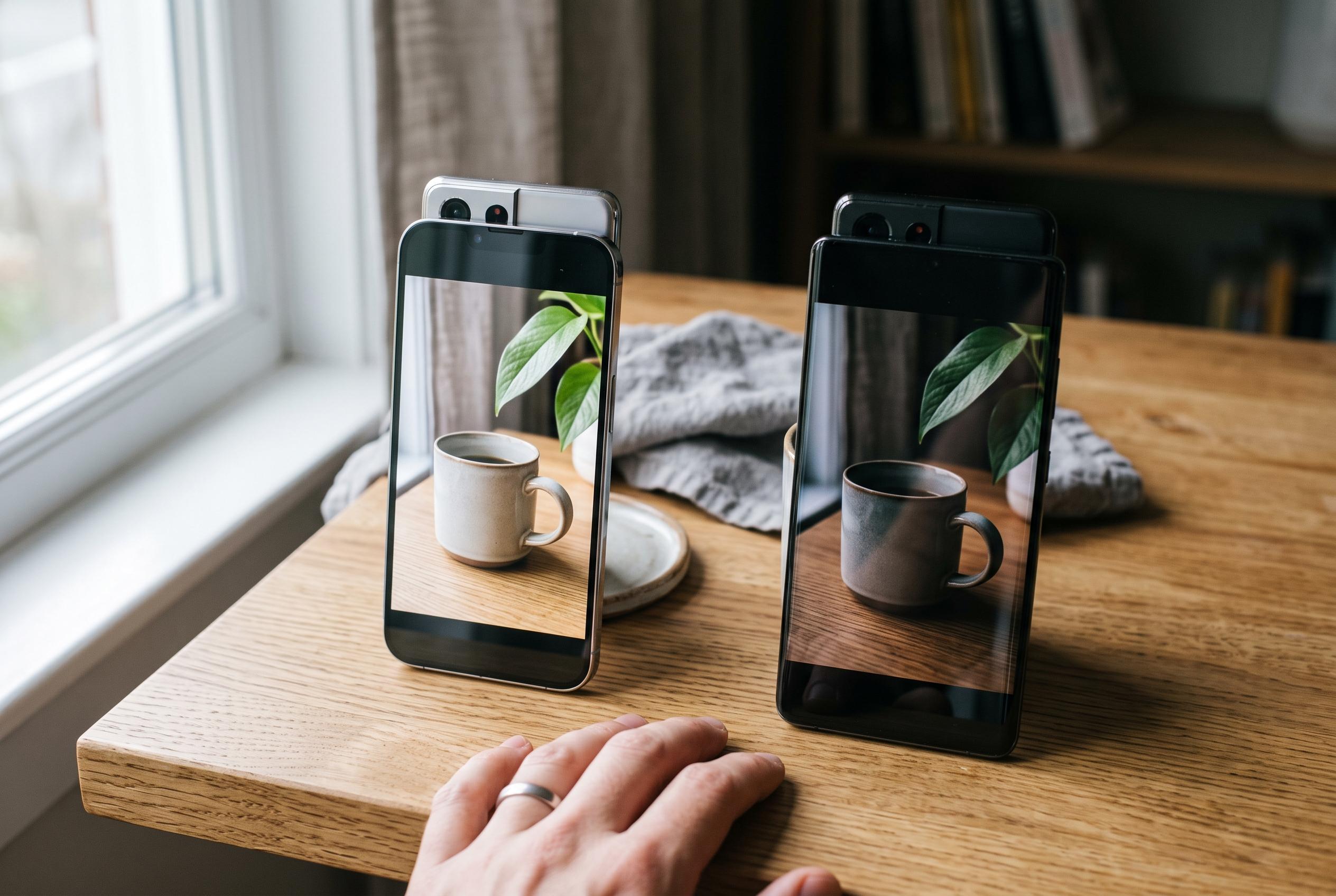

In a detailed comparison, the Samsung Galaxy S26 Ultra and Google Pixel 11 Pro demonstrate that advanced software and AI-assisted processing are as crucial as hardware, with subtle differences shaping user preferences for naturalism versus dramatic effect.
CNET’s comparison of the Google Pixel 11 Pro XL and Samsung Galaxy S26 Ultra framed both phones as mature flagships rather than radical redesigns. The article, based on a late-summer trip to Cape May, found that each device leans heavily on software and AI-assisted processing as much as on hardware. That fits the broader specification picture: the Pixel pairs a 50MP main camera with a 48MP ultrawide and a 48MP 5x telephoto, while the Galaxy S26 Ultra counters with a 200MP main sensor, a 50MP ultrawide and dual telephoto hardware for 3x and 5x zoom. Those differences matter less on paper than in how the phones interpret a scene.
Across ultrawide shots, the two models diverged sharply in colour science. The Pixel tended towards more restrained, natural tones, while Samsung pushed saturation and contrast harder. CNET’s images showed the Pixel rendering trees, roads and skies with a more neutral palette, which made the scene look closer to what the eye saw at the time. Samsung, however, handled cloud detail and highlight balance more convincingly, preserving structure where the Pixel sometimes clipped bright areas into a flat white mass. That trade-off ran through much of the comparison: the Pixel often looked less processed, while Samsung often looked more vivid and punchy.
The telephoto and portrait tests were closer. CNET found the Galaxy’s extra zoom hardware useful at distance, particularly when capturing fine textures and defining subject separation. The Pixel still produced pleasing, natural bokeh and generally warmer colour, but Samsung’s stronger contrast gave distant subjects more apparent depth and detail. In portrait mode, the Pixel again produced smoother edges and more conservative blur, while the Galaxy delivered crisper isolation at the cost of occasional over-processing around fine detail. Independent comparison sites reached a similar split, with some praising the Pixel for more consistent everyday rendering and others crediting Samsung’s hardware versatility, especially for long-range shots.
On the main camera, both phones handled Cape May’s varied light well, but they expressed the scene differently. Samsung preserved shadow depth and maintained stronger contrast in dim interiors, which helped the images feel more three-dimensional. The Pixel produced a flatter look that some readers may prefer for its softness and restraint, though it surrendered some drama in the process. In daylight around the town’s Victorian houses, the gap narrowed further, with both phones delivering strong detail and accurate-looking structure. At that point, the choice came down largely to taste rather than capability.
The most telling shot may have been the moon image. Samsung’s longer-range zoom produced the more detailed result, even though both phones rely on heavy computational processing and stabilisation to make such handheld captures possible. The Pixel’s moon was brighter, but Samsung’s was more legible, with clearer surface texture. For CNET, the overall verdict was that the Galaxy S26 Ultra is the more capable camera phone if you want bolder, more social-ready output straight from the camera. But the broader reviews suggest a more nuanced conclusion: the Pixel may be the safer choice for consistently natural-looking photos, while Samsung remains the more flexible tool for users who want stronger zoom and more dramatic processing. In practice, both are excellent, and the better one depends on whether a reader values realism or visual impact.
Disclaimer: This content is intended for informational purposes only. Readers are advised to exercise their own judgement, conduct due diligence, or consult a qualified expert before acting on any information provided.