
Samsung’s Galaxy Watch 9 and Google’s Pixel Watch 5 both leverage Gemini for voice interaction but differ significantly in design, fitness tools, and health sensing, signalling contrasting priorities for users seeking all-round or specialised wellness features.
Samsung’s latest Wear OS flagship arrives as a tale of two very different priorities. According to mobile.ir, the Google Pixel Watch 5 and Samsung Galaxy Watch 9 both lean heavily on Gemini for voice and on-watch interaction, but they diverge sharply in hardware design, fitness tools and health sensing. Samsung has positioned the Galaxy Watch 9 as the more conventional all-rounder, while Google has pushed the Pixel Watch 5 towards deeper AI integration and more specialised wellness features.
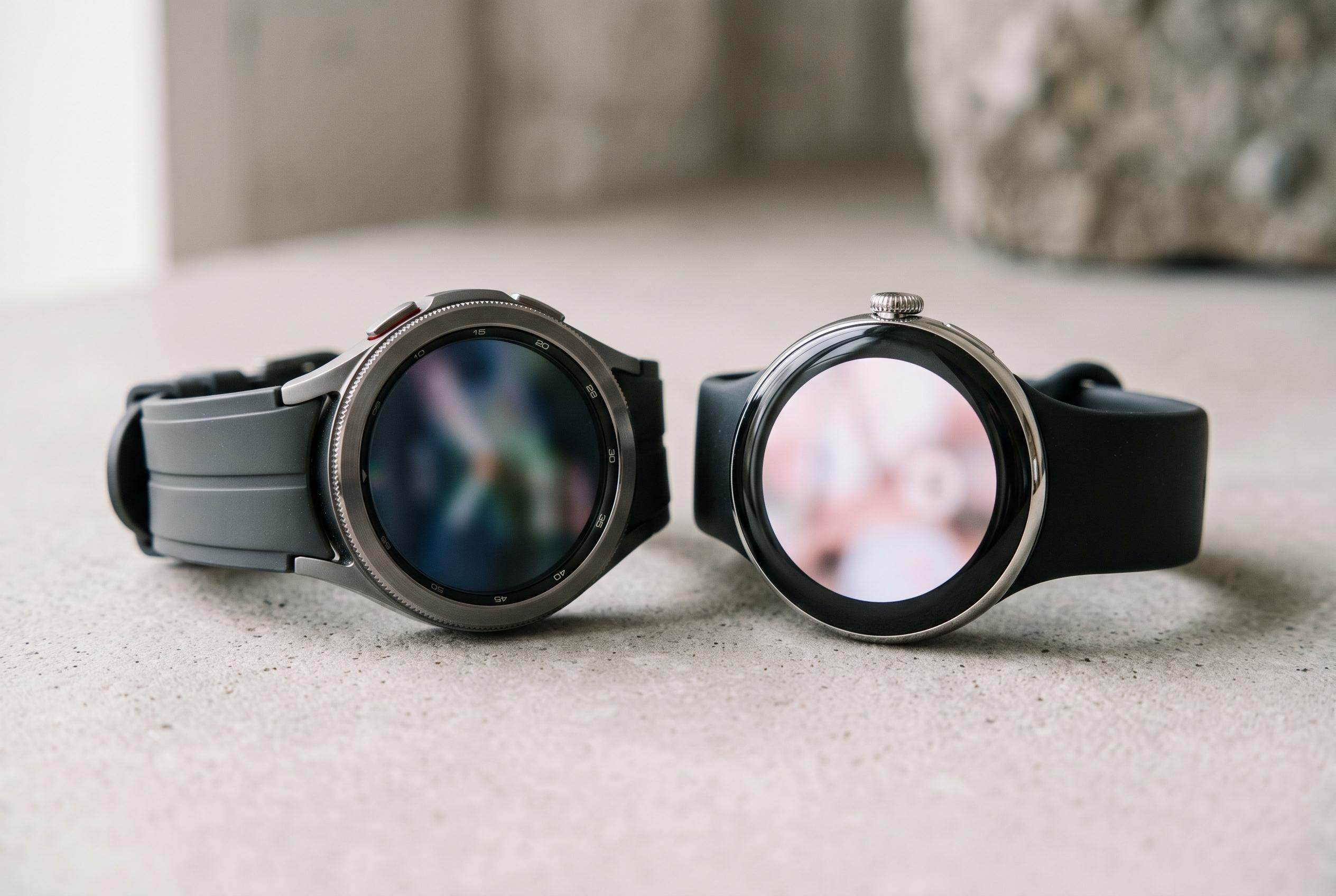
On design, the two watches remain close to their predecessors but follow different visual languages. The Galaxy Watch 9 uses Samsung’s cushion-shaped case in 40mm and 44mm sizes, with sapphire crystal protection and a thinner 8.6mm profile. The Pixel Watch 5 keeps Google’s domed face, which the company calls Actua 360, and ships in 41mm and 45mm variants with Gorilla Glass protection. Android Central’s comparison notes that the Pixel model is the sleeker option, while Samsung’s watch is the more rugged-looking device.
Performance and battery life also split the pair. Samsung’s new Snapdragon Wear Elite platform is said to improve everyday responsiveness, app launch times and general fluidity. Google’s revised Snapdragon W5 Gen 2 is reported to deliver a 12 per cent jump in processing speed, along with faster Gemini execution. Battery capacity has risen on both sides: the Galaxy Watch 9 now offers 390mAh in the 40mm model and 445mAh in the 44mm version, while the Pixel Watch 5 comes with 332mAh and 465mAh batteries respectively. Google says the larger model can reach 80 per cent in 30 minutes, whereas Samsung quotes roughly 90 minutes for a full charge.
Health monitoring is where the clearest product positioning emerges. Samsung has added Vitals for overnight tracking of key body metrics, along with an FDA-cleared sleep apnoea feature and a Heart Health Score based on lifestyle and blood pressure estimates. Google, by contrast, is leaning into newer sensor-driven tools, including blood pressure trends and insulin resistance tracking, both of which it says will arrive in September 2026. Tom’s Guide says the Pixel Watch 5 also keeps features such as pulse-loss detection, while both watches support ECG-based AFib detection. In fitness use, Samsung focuses on broader readiness metrics, including Fitness Index, Running Coach and Daily Cardio Load, whereas Google emphasises more accurate GPS tracking and guided workout feedback.
Safety and software round out the picture. Both watches use Gemini without a wake phrase when the wrist is raised, but Google claims the Pixel Watch 5 is 20 per cent faster in this area and adds satellite SOS in supported markets, plus fall detection, car-crash detection and earthquake alerts. Samsung offers fall detection too, but has not detailed satellite messaging. Both devices run Wear OS with Google Play access, though Samsung layers on its own interface and Samsung Health, while Google uses Wear OS 7.0 with Google Health and Fitbit branding. Independent comparisons suggest the Pixel Watch 5 is the stronger choice for users who value battery life, AI and specialised health tools, while the Galaxy Watch 9 suits buyers who want Samsung’s ecosystem, stronger fitness breadth and a more traditional smartwatch profile.
Disclaimer: This content is intended for informational purposes only. Readers are advised to exercise their own judgement, conduct due diligence, or consult a qualified expert before acting on any information provided.