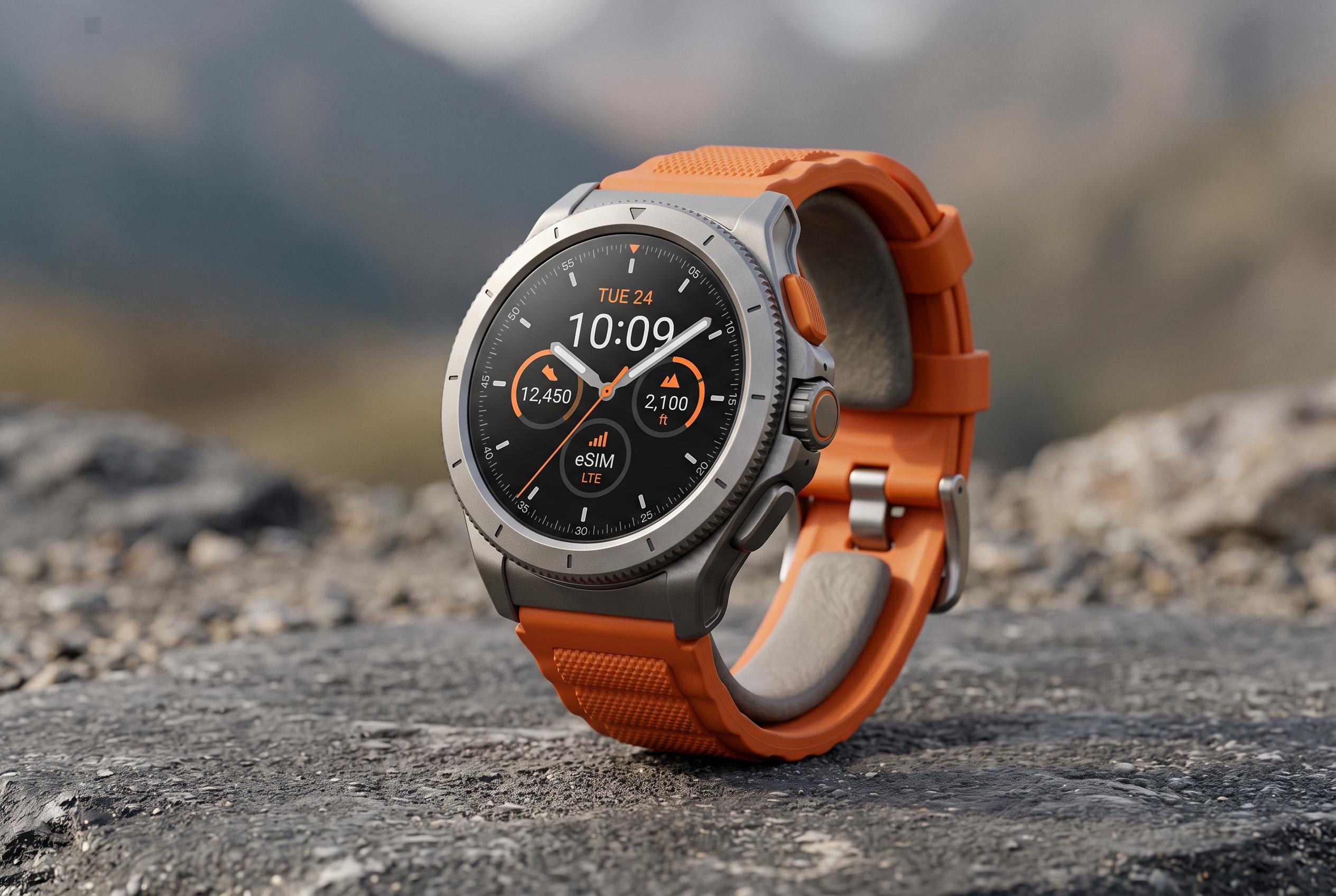

Samsung’s new Galaxy Watch Ultra 2 introduces a fuller standalone experience with eSIM, advanced display, and rugged design , positioning itself as a comprehensive alternative to the Oura Ring and Whoop Band.
Samsung’s Galaxy Watch Ultra 2 is trying to solve a different problem from the Oura Ring 4 and Whoop Band 5.0. The watch is the only one of the three that aims to work as a full standalone device, with eSIM support, a bright 1.52-inch display, and a price that sits above most health trackers but below some rival premium watches. Samsung unveiled it on 22 July 2026, and the company has paired the launch with a clearer case for users who want one wearable rather than a separate ring, strap and phone workflow.
That distinction starts with the hardware. According to Android Central and SamMobile, the watch uses a 47mm titanium case that is slimmer than before at 10.7mm, a Snapdragon Wear Elite chip, 2GB of RAM, 64GB of storage and an 800mAh battery. Samsung says the display reaches 5,000 nits, which should improve readability in direct sunlight, while the device’s IP69K and 10ATM ratings point to a more rugged build than most wrist-worn competitors. The company also says the model includes dive-related certification and features such as Trail Run Mode, Nutrition & Hydration Alerts and Auto Dive Tracking.
Against the Oura Ring 4, the comparison is mostly about form factor and daily comfort. Oura’s current ring uses a full titanium body, Smart Sensing technology and a battery life of five to seven days, with support for continuous heart-rate tracking, temperature monitoring and blood-oxygen measurement. It is water-resistant to 100 metres, but it is not designed as a diving device and it does not try to replace a smartwatch display or phone connection. For people who want low-friction sleep and recovery tracking, that remains its strongest argument.
Whoop, by contrast, is built around coaching rather than convenience. Its band format is aimed at strain, recovery and sleep analysis, and the broader appeal lies in the software rather than the hardware. The Galaxy Watch Ultra 2 can now offer many of the same health metrics without a subscription, which matters because Samsung is positioning the device as an all-in-one alternative rather than a niche recovery tracker. In practical terms, the choice comes down to whether the user wants the deepest passive monitoring, the most discreet wear, or the most capable single device on the wrist.
Disclaimer: This content is intended for informational purposes only. Readers are advised to exercise their own judgement, conduct due diligence, or consult a qualified expert before acting on any information provided.