
Despite its superior engineering and camera capabilities, Samsung’s Galaxy Z Fold8 Ultra struggles with market relevance, overshadowed by the moreUser-friendly Fold8, as reviewers question its practical appeal in a fast-evolving foldable market.
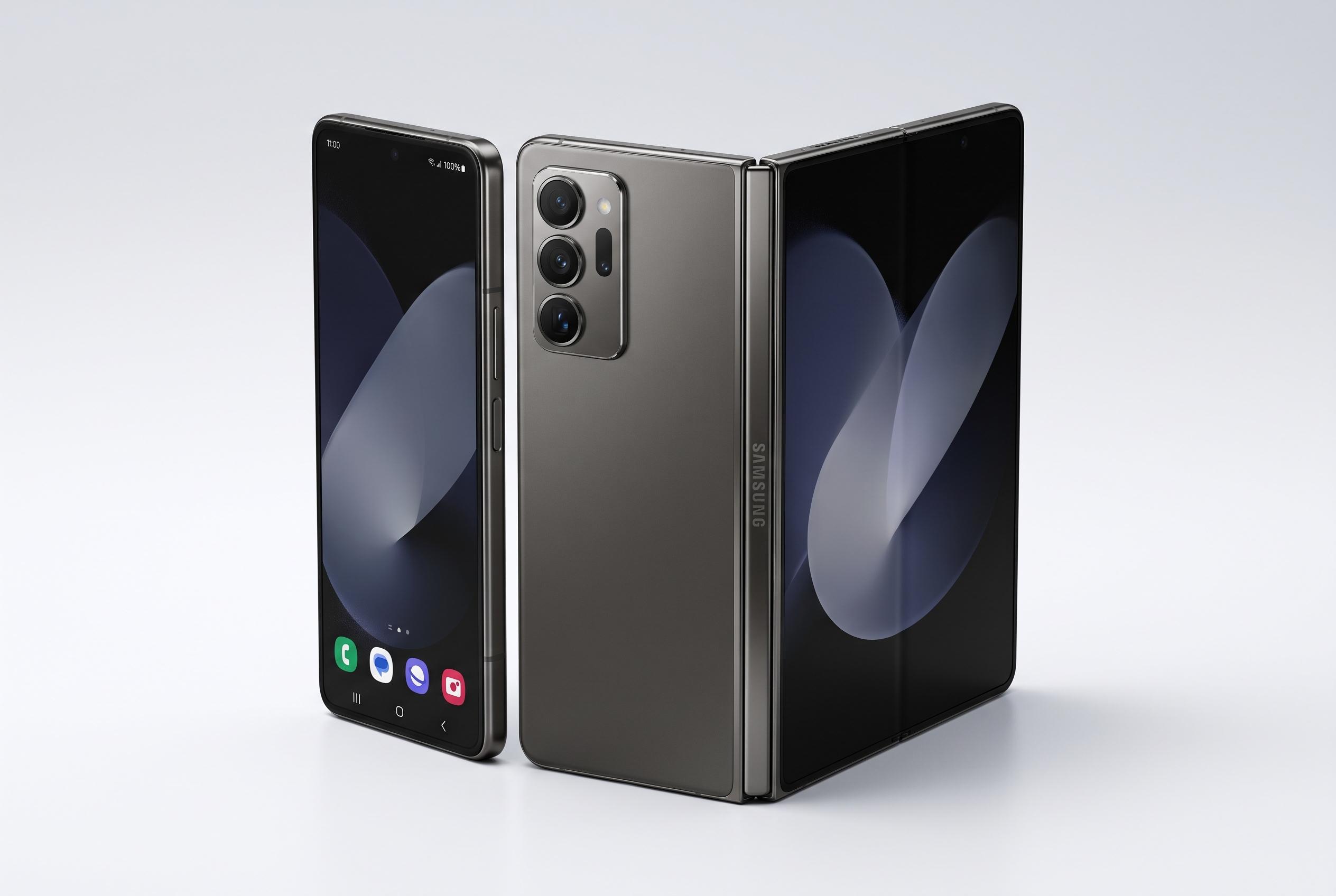
Samsung’s Galaxy Z Fold8 Ultra is a more accomplished device on paper than the standard Fold8, with a larger main display, a 5,000mAh battery and a significantly stronger camera system. But the latest reviews suggest that the Ultra’s problem is not quality. It is relevance. Samsung appears to have solved the foldable design puzzle more convincingly with the cheaper Fold8, leaving the Ultra in an awkward position between the company’s best camera phone and its most usable foldable.
Reviewers have broadly praised the Ultra’s engineering. TechRadar described it as thinner, flatter and close to crease-free, helped by a new titanium hinge system and a bright 8.0-inch AMOLED panel. SamMobile also highlighted the device’s refinement, including its IP48 rating, advanced armour aluminium frame and peak brightness of up to 3,000 nits on both screens. At 215g, it is still remarkably light for a foldable of this size, and Samsung’s claimed 4.1mm unfolded thickness underlines how far the hardware has moved on.
Performance is equally strong. The Snapdragon 8 Elite Gen 5 for Galaxy is the same flagship chip used elsewhere in Samsung’s top-end range, and the phone runs Android 17 with One UI 9. TechRadar said the software package is backed by Galaxy AI and Google’s Gemini features, while the hardware should comfortably handle gaming, multitasking and demanding apps. Battery life is also a clear selling point, with Samsung’s 5,000mAh cell and silicon-carbon technology aiming to deliver better endurance and faster charging than earlier generations.
The camera system is where the Ultra most clearly separates itself from the standard Fold8. Samsung gives it a 200MP main sensor, a 50MP ultrawide camera and a 10MP telephoto lens with 3x optical zoom. Tom’s Guide found that the Fold8 Ultra has a real advantage over the Fold8 once zoom levels climb beyond the most basic ranges, with sharper detail and better clarity at 10x and above. But the same review argued that the gap is smaller at everyday zoom distances than the price difference might imply.
That tension defines the Ultra. Tom’s Guide’s comparison with the Galaxy S26 Ultra suggests Samsung’s foldable still does not fully match the company’s best slab-style camera phone for low light, dynamic range and long-range zoom. The foldable offers versatility, a larger inner screen and a far more dramatic form factor, but its tall, narrow outer display still looks like a compromise. T3 went further, arguing that the design may not be for everyone at a time when the broader foldable market is moving quickly.
For readers choosing between Samsung’s two premium foldables, the decision is now less about raw specifications than about shape and behaviour. The Ultra is the better camera phone and the more lavishly equipped device, but the Fold8 appears to be the one Samsung has made easier to live with. In practical terms, that may matter more than the Ultra badge.
Disclaimer: This content is intended for informational purposes only. Readers are advised to exercise their own judgement, conduct due diligence, or consult a qualified expert before acting on any information provided.