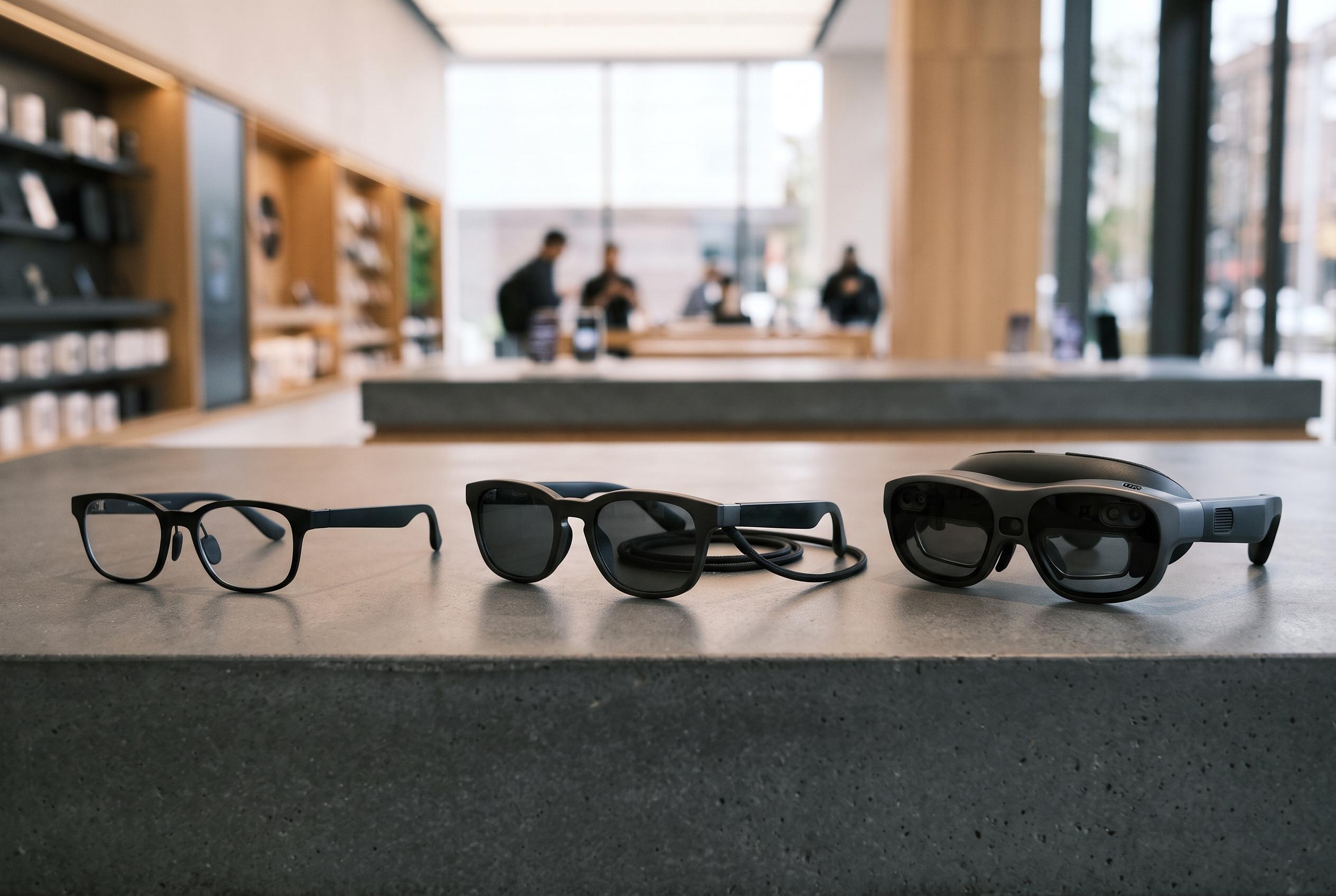

Snap SPECS, XREAL Aura and Meta VR Glasses reveal a widening divide in wearable computing, with buyers choosing between standalone portability, tethered productivity and immersive mixed reality.
The latest wave of consumer smart glasses is splitting the market into three clear camps: fully self-contained augmented-reality wearables, tethered productivity devices and more immersive mixed-reality headsets. In that divide, Snap SPECS, XREAL Aura and Meta VR Glasses are being positioned for very different kinds of users, even if they all sit under the broad umbrella of wearable spatial computing. Geeky Gadgets frames the comparison around portability, comfort, visual quality, software support and AI features, but the practical trade-offs are more revealing than the marketing language suggests.
Snap SPECS are the most portable of the trio because they do not depend on an external processor pack or puck. That makes them easier to carry and more suitable for outdoor use, but it also means the weight sits entirely on the face, which can become tiring over longer sessions. By contrast, XREAL Aura and Meta VR Glasses shift the processing burden elsewhere, which keeps the headset itself lighter and makes them better suited to extended indoor use, where comfort matters more than absolute mobility. Geeky Gadgets says that distinction is central to understanding which device fits which environment.
The display experience is another clear point of separation. Snap SPECS use see-through lenses and a 51-degree field of view, which is enough for casual AR tasks but not especially expansive. XREAL Aura is described as offering a 70-degree field of view and a broader canvas for productivity and media use. Meta’s headset is presented by Geeky Gadgets as the most immersive of the three, with an 88-degree field of view, HDR and Dolby Vision support. However, Tom’s Guide’s hands-on review described Meta’s field of view as 70 degrees, suggesting that early reporting on the device is still inconsistent and that real-world perception may depend on fit, software and testing conditions.
Control systems also reflect each product’s target audience. Snap SPECS emphasise simplicity, using hand gestures and voice input to make the glasses approachable for first-time users. XREAL Aura adds more flexibility with hand tracking, a puck-based touch surface and Bluetooth accessory support. Meta goes furthest, combining hand tracking, eye tracking and conventional VR controllers. That broader input mix makes Meta the strongest candidate for users who want gaming, productivity and media playback in one device, while XREAL Aura sits closer to a general-purpose wearable computer.
Software support is becoming as important as the hardware itself. Snap SPECS are aimed at shared AR experiences and lighter productivity work, supported by what Geeky Gadgets describes as an active developer community. XREAL Aura runs on Android XR, giving it access to the Google Play Store and a wider range of apps for work and entertainment. TechCrunch reported that Aura is a wired headset powered by Android XR and Qualcomm’s Snapdragon Reality Elite platform, underlining XREAL’s strategy of using tethered processing to balance portability with performance. Android Central also reported that Aura will support millions of apps through the Play Store, strengthening its appeal as a productivity-first device.
AI features are now part of the sales pitch for all three. Snap SPECS include real-time translation in 60 languages and contextual assistance through Specs Intelligent, which makes them especially attractive for travel or casual everyday use. XREAL Aura uses Gemini AI for object recognition and contextual support. Meta’s system is the most ambitious, with Meta AI and the planned Muse AI agent aimed at task automation and more advanced assistance. In practice, that means the competition is no longer just about screens and sensors; it is also about which device can interpret the wearer’s environment most effectively.
Battery life remains a practical constraint across the category. Geeky Gadgets says Snap SPECS can manage up to four hours of mixed use and include a charging case for extra top-ups, which improves their usefulness on the move. XREAL Aura and Meta VR Glasses are both cited as lasting about three to four hours and can be supplemented with external battery packs. That makes them less self-sufficient than Snap’s glasses, but also more adaptable for longer sessions where power management matters less than keeping the headset itself light. The result is a familiar trade-off in wearables: the more self-contained the device, the less comfortable it may be for prolonged use.
Price sharpens the positioning further. Geeky Gadgets places Snap SPECS at $2,195, XREAL Aura between $1,279 and $1,499, and Meta VR Glasses at $1,299. Tom’s Guide described Meta’s headset as a lower-cost alternative to Apple’s Vision Pro, while Android Central reported that XREAL Aura launched at $1,099 for one configuration and $1,299 for another in selected regions. Those figures suggest a market that is still fluid, with launch pricing, regional availability and configuration differences all shaping the final value proposition.
Taken together, the three devices point to different definitions of usefulness. Snap SPECS are built for people who want standalone AR and maximum portability. XREAL Aura is aimed at users who value productivity, media consumption and access to a broad app ecosystem. Meta VR Glasses, meanwhile, are being positioned as the strongest all-rounder for immersive gaming and mixed-reality entertainment, with more advanced controls and a fuller software stack. For buyers, the most important question is not which headset is technically best, but which compromise between comfort, mobility and immersion best matches how the device will actually be used.
Disclaimer: This content is intended for informational purposes only. Readers are advised to exercise their own judgement, conduct due diligence, or consult a qualified expert before acting on any information provided.