
Smartwatches now go beyond basic timekeeping, offering advanced health monitoring and increased independence from smartphones, with Apple and Samsung leading innovation while ecosystem considerations remain key for buyers.
Smartwatches have moved well beyond simple timekeeping. In practice, they now act as wrist-worn extensions of a phone, handling calls, messages, fitness data, contactless payments and media controls. Their appeal is clearest when they are tied closely to a smartphone platform, because setup, notifications and software updates all depend on that connection. Models with their own eSIM go a step further by working independently of the handset, but that convenience usually comes at a higher price.
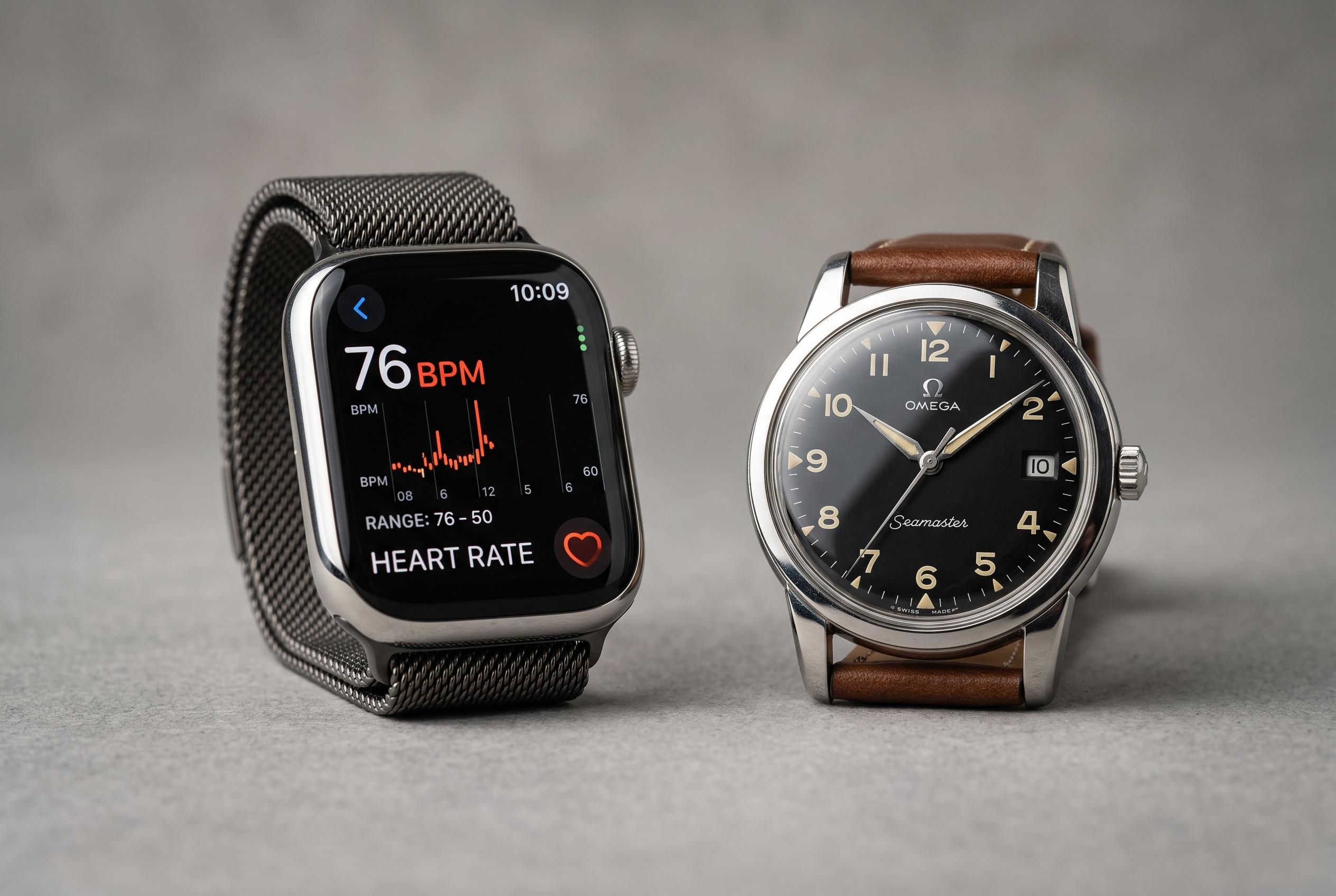
For Apple users, the strongest choice remains the Apple Watch Series 11. Apple says the watch is available in 42mm and 46mm sizes, supports 5G on cellular models and adds hypertension notifications, sleep score tracking and up to 24 hours of battery life. The company also says the display is more scratch-resistant than before, while health tools include ECG, heart rate, blood oxygen measurement, sleep tracking and fall detection with emergency SOS. A key limitation remains unchanged: it works only with an iPhone.
Samsung’s Galaxy Watch 8 is the main alternative for Android users, particularly those already inside Samsung’s ecosystem. Samsung has redesigned the watch with a cushion-shaped case and new bands aimed at improving comfort, while keeping it in 40mm and 44mm sizes. The watch offers sport profiles, automatic activity recognition, heart rate, blood pressure and stress measurements, plus sleep analysis and a sleep score. It is rated for 5ATM and IPX8 water resistance, which makes it suitable for swimming, but less convincing for harsher outdoor use.
That ecosystem lock-in is the most important issue for buyers to understand. Apple Watch models are designed for the iPhone, while many Galaxy Watch functions are most complete with Samsung phones. For people who need broader compatibility, Huawei’s Watch 5 is notable because it works with both iOS and Android, although Android users may need to sideload the companion app. For older users, or anyone who values safety features, watches with fall detection and emergency alerts can be useful additions, but they remain supplements to, not replacements for, proper medical care.
Disclaimer: This content is intended for informational purposes only. Readers are advised to exercise their own judgement, conduct due diligence, or consult a qualified expert before acting on any information provided.