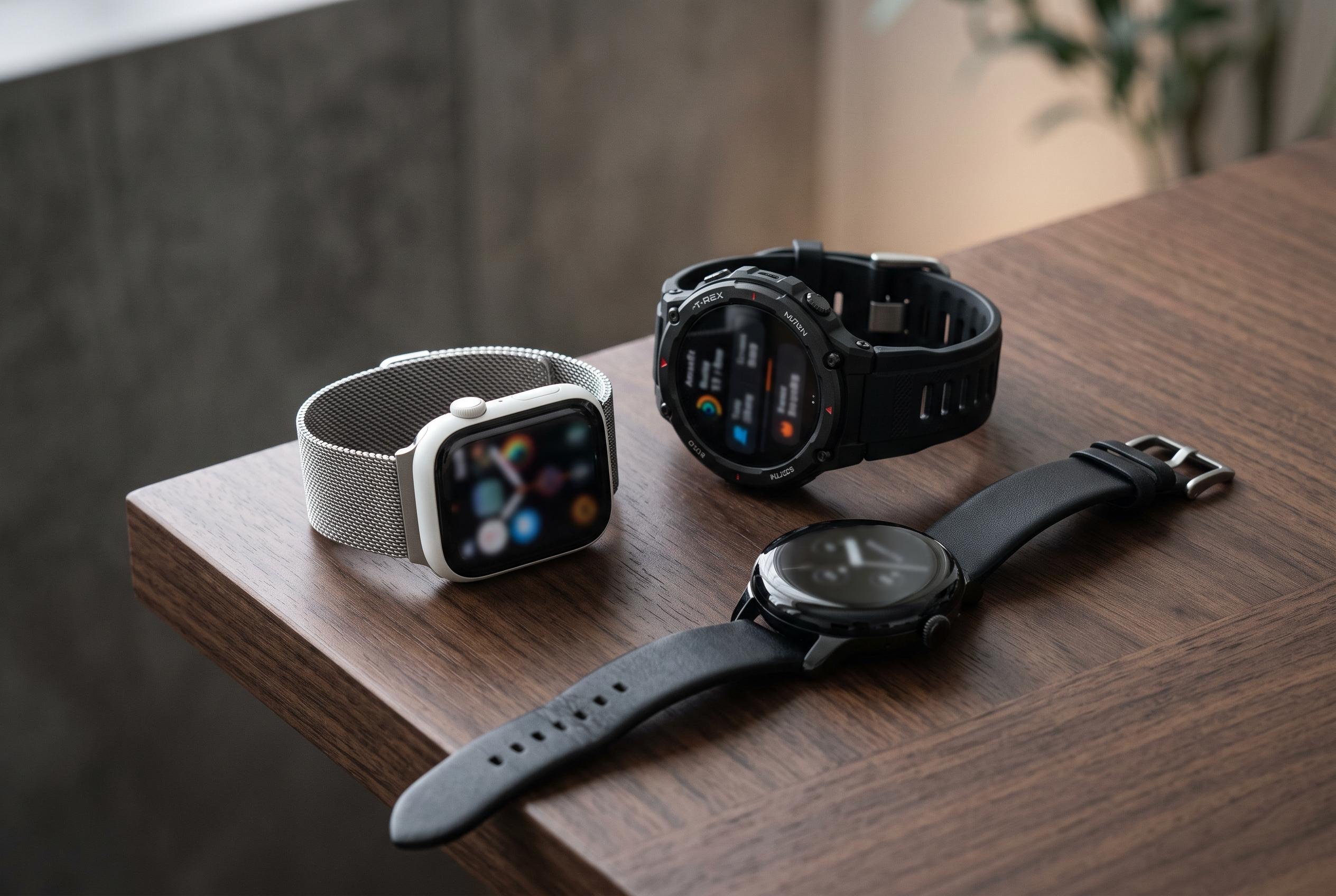

In 2026, the smartwatch landscape shifts as Amazfit, Apple, and Google each adopt distinct strategies to cater to diverse ecosystems, pushing the boundaries of compatibility, functionality, and battery life.
For buyers trying to bridge the divide between iPhone and Android, compatibility is still the main constraint in the smartwatch market. Many devices work best only inside one ecosystem, but James Frew of Tom’s Guide has singled out three models that stand out in 2026 for wider appeal, with Amazfit, Apple and Google each taking a different approach to fitness, health and phone integration.
The strongest all-round option, according to Tom’s Guide, is the Amazfit Active 3 Premium. It is aimed at users who want a watch that will pair with either platform without asking for a premium price. The model includes a compact AMOLED display, built-in GPS, offline maps and more than 170 workout modes, while its health tracking covers heart rate, blood oxygen, stress, sleep, menstrual cycle data and skin temperature. Amazfit says the watch can last up to 12 days in typical use, which places it well ahead of Apple’s battery life claims. Recent launch details from Amazfit also show that the Active 3 Premium uses a sapphire-protected 1.32-inch screen, 4GB of internal storage and navigation features such as turn-by-turn directions and rerouting.
For iPhone owners, Tom’s Guide points to the Apple Watch Series 10 rather than the newer Series 11, arguing that the older model offers better value because its hardware remains close and it runs the same watchOS 26 software. Apple’s own product information shows that the Series 10 has a larger always-on display, sleep apnoea notifications, faster charging and the usual deep links into the iPhone ecosystem. It also retains health tools such as ECG, fall detection, blood oxygen monitoring and cycle tracking. The trade-off remains battery endurance: Apple still rates the watch at up to 18 hours of normal use, or up to 36 hours in Low Power Mode.
On Android, the Google Pixel Watch 4 is the most complete choice in Tom’s Guide’s view. It is built around Fitbit-based fitness tracking, dual-band GPS and Gemini integration, while Google has kept Pixel-only extras relatively limited. That matters because it means most of the watch’s headline functions remain available to Android users beyond the Pixel phone line. The watch is also rated for up to 60 hours in testing, which narrows the gap with more endurance-focused rivals. Taken together, the three watches illustrate the current split in the sector: Amazfit offers cross-platform practicality, Apple delivers the richest iPhone experience, and Google provides the cleanest Android pairing.
Disclaimer: This content is intended for informational purposes only. Readers are advised to exercise their own judgement, conduct due diligence, or consult a qualified expert before acting on any information provided.