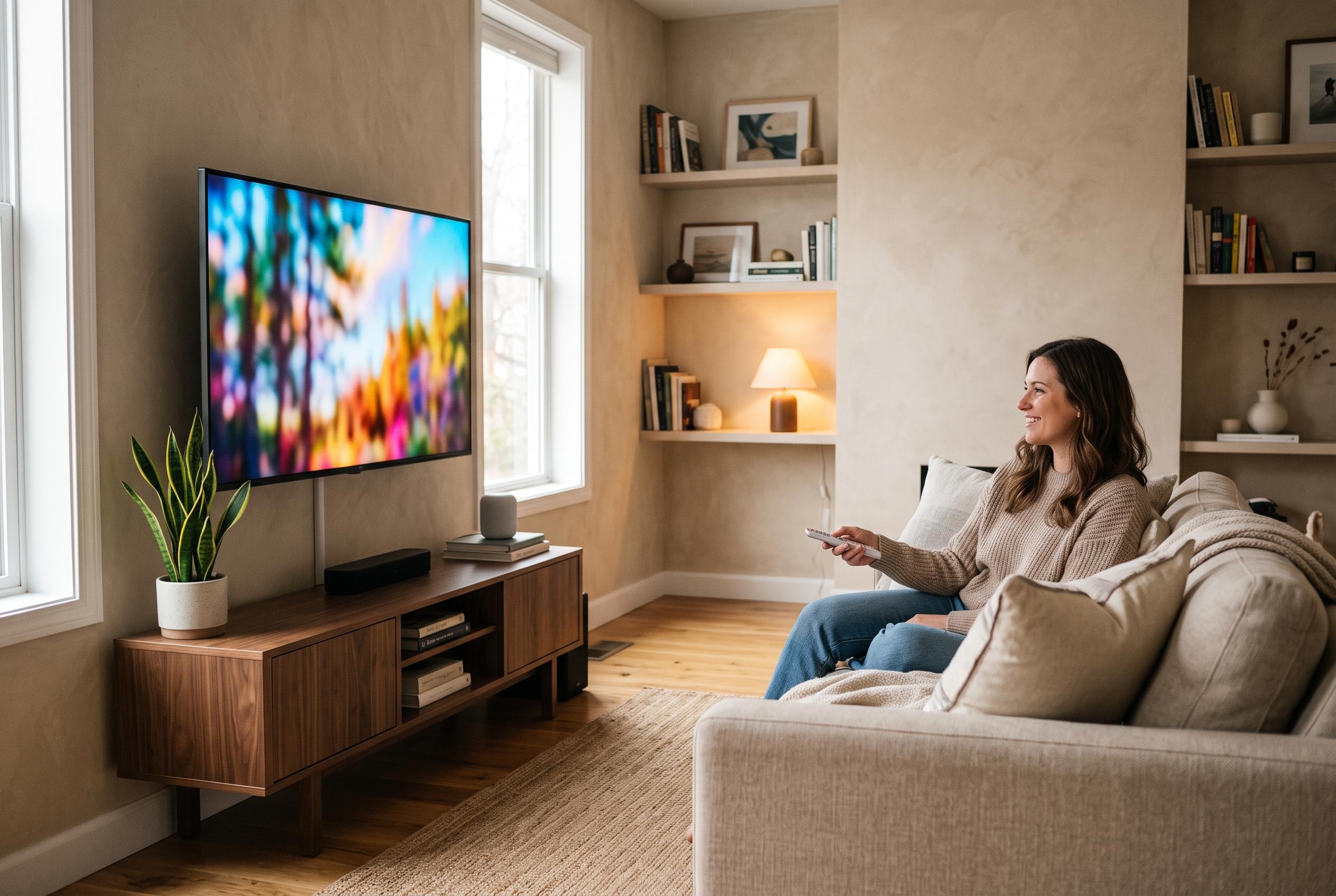

Sony’s new True RGB televisions divide cleanly into three tiers, but the BRAVIA 7 II stands out as the strongest balance of picture performance, room-friendly features and price.
Sony’s 2026 BRAVIA range splits neatly into three buying tiers, and that makes the choice easier than it first appears. For readers trying to time a purchase around Singles’ Day discounts, the practical question is not which model is technically best, but which one matches the room, the viewing habits and the budget. The broad takeaway from the Chinese guide is simple: the BRAVIA 5 is the sensible entry point, the BRAVIA 7 II is the strongest value option, and the BRAVIA 9 II only makes financial sense for bright living rooms or dedicated cinema spaces.
The latest Sony hardware confirms why the middle tier looks so compelling. In its announcement of the BRAVIA 7 II and BRAVIA 9 II, Sony said both sets use its first True RGB BRAVIA panel design, with independently controlled red, green and blue LEDs rather than conventional white backlighting. The company says that this approach improves colour accuracy and brightness while also supporting a new anti-glare screen and Sony’s XR Processor. In other words, these sets are not just brighter; they are intended to preserve colour purity under difficult lighting, which is exactly where many premium televisions fail.
That is why the BRAVIA 7 II is being treated as the sweet spot by many buyers. According to Sony’s own launch materials and subsequent coverage from display-focused sites, it combines the new RGB backlight system with a more accessible price than the flagship model, while still aiming at high-end HDR performance. The Chinese guide argues that this is the set most people should target during the sales period, particularly the 85-inch version if the discount can be brought down close to the lower promotional range cited in online deals. For households that want a large screen without paying flagship money, the logic is straightforward.
The BRAVIA 9 II, by contrast, is being positioned as a specialist purchase. Sony says it adds the same True RGB approach to a more advanced anti-glare design, and third-party launch coverage has described it as the brighter, more premium option in the pair. That extra capability comes at a steep cost. The guide’s warning is practical rather than dismissive: if a room already has controlled lighting, or if an external sound system is planned anyway, the jump in price is harder to justify. The premium is best understood as a brightness-and-reflection tax for people who genuinely need those traits.
There are, however, broader market realities that complicate Sony’s pitch. Competing 2026 mini-LED televisions, including RGB-based sets from rival Chinese brands, are being marketed aggressively on specification sheets and bundled audio. The appeal of Sony remains less about raw numbers than about processing, motion handling and gaming integration, especially for PlayStation 5 owners. The same guide also flags a practical caution for very large models: 98-inch sets can be awkward in ordinary living rooms, especially if the wall and seating distance are not suited to them. For most buyers, the better decision is to spend carefully on the panel size that fits the room, then leave room in the budget for sound, installation and extended protection.
Disclaimer: This content is intended for informational purposes only. Readers are advised to exercise their own judgement, conduct due diligence, or consult a qualified expert before acting on any information provided.