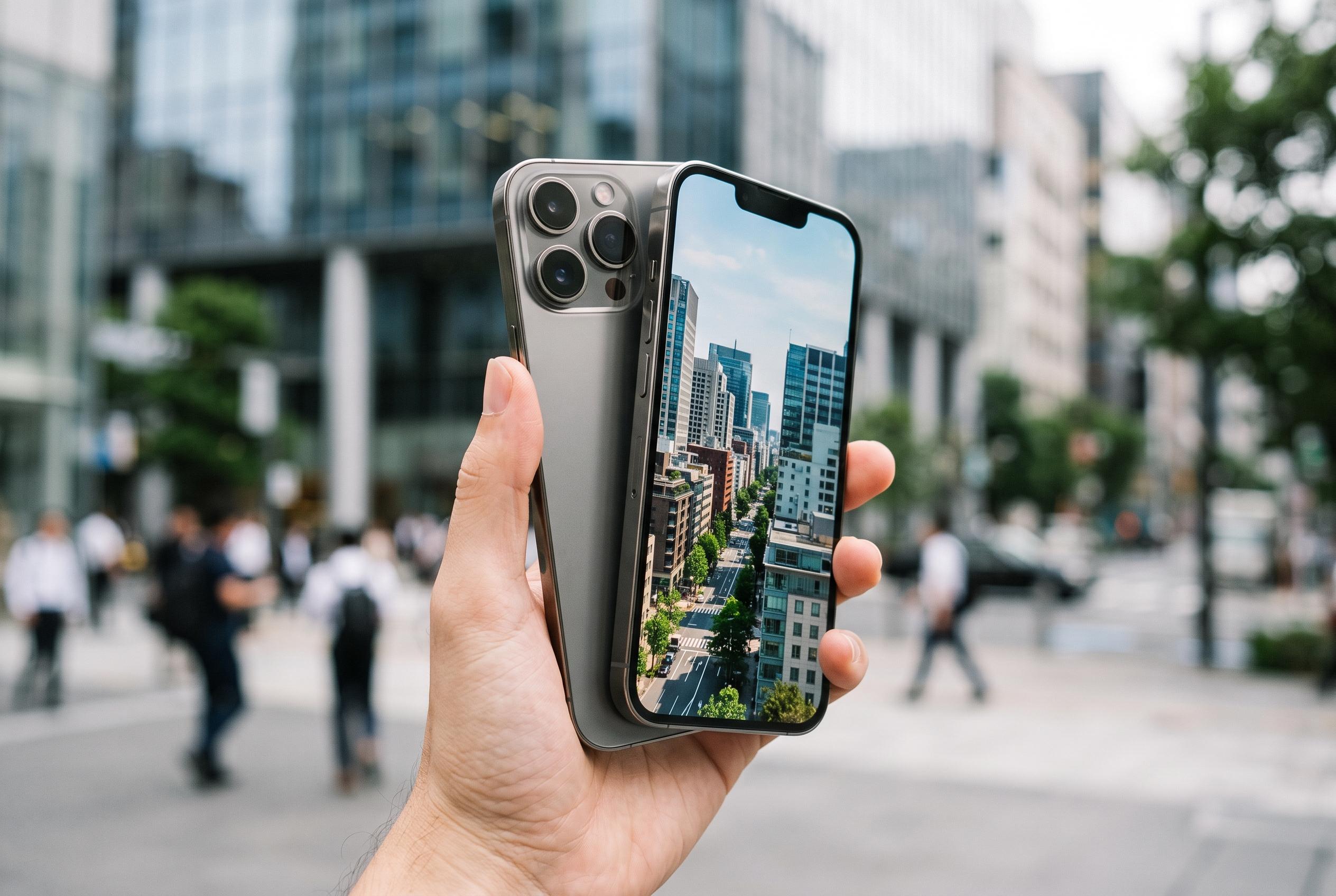

The iPhone 17 offers a rare combination of compact size, premium performance, and improved features, making it the most compelling standard iPhone in years , especially with its new 120Hz display and enhanced camera system.
Buying an iPhone from Shopee sounds like a gamble, especially at flagship prices, but the real question is not whether the iPhone 17 is decent. It is whether Apple has finally built a compact phone that makes sense again for anyone who misses smaller handsets without giving up modern performance. After several weeks of use, the answer is broadly yes: this is the most convincing standard iPhone in years, and the move to a 120Hz display changes the device far more than the specification sheet alone suggests.
The physical design is one of the phone’s strongest points. At 6.3 inches, it is still large enough for video and gaming, but the body is easier to hold than today’s oversized Android flagships. The build feels carefully assembled, with the sort of precision Apple has long sold as part of the experience. Protection has also improved in ways that matter in everyday use, with stronger front glass, a tougher rear panel and water and dust resistance that should reduce anxiety when the phone is used without a case. The downside is that the smooth sides still make it slippery, so the compact form is best enjoyed with some form of protection.
The display is the most obvious upgrade over earlier base-model iPhones. Apple has finally moved the standard iPhone line to ProMotion, giving the iPhone 17 a 120Hz Super Retina XDR OLED panel with an always-on display and much better responsiveness than the old 60Hz setup. It is also brighter, which makes a real difference outdoors. Reviewers from Tom’s Guide and TechRadar both point to the screen as one of the key reasons this model now feels properly current, while lab-based testing gathered by Notebookcheck suggests the panel is among the best-calibrated in its class.
Performance is equally strong. The A19 chip, paired with 8GB of memory, gives the phone enough headroom for demanding apps and modern games, and Apple has also standardised 256GB of storage, which helps the base model feel less stingy than before. In practice, the phone runs smoothly, stays cool under pressure and delivers the kind of consistency that matters more than synthetic benchmark figures. The broader testing consensus, including Notebookcheck’s review roundup, is that this is one of the most sensible iPhones for mainstream buyers because it combines speed with unusually restrained heat and stable day-to-day behaviour.
Battery life is another area where the iPhone 17 outperforms expectations. Even with a relatively small battery by modern standards, the combination of a 3nm chip and iOS optimisation gives it solid endurance for a compact phone. Charging is also quicker than before, with Apple and outside reviewers noting faster top-ups and improved wired and MagSafe charging behaviour. It still does not match the fastest charging systems used by some Android rivals, but it is no longer a weakness that undermines the device.
The camera system is where the iPhone 17 feels close to Apple’s Pro line in some respects, even if not in all of them. The phone uses dual 48-megapixel rear cameras and an improved 18-megapixel front camera, which together produce sharp daylight images, strong skin tones and reliable low-light results. The selfie camera has been singled out by several reviews as a meaningful upgrade, and the overall imaging package is now far more balanced than on earlier base models. The main limitation remains the lack of a true telephoto lens, which means the iPhone 17 cannot match the flexibility of phones built for longer-range shooting.
For most buyers, that is the central trade-off. Apple has made the standard iPhone more complete than it has been for years: brighter screen, smoother interface, better battery life, better charging, more storage and a camera system that covers most real-world needs. It now offers much of what used to be reserved for Pro models, but at a lower price and in a more manageable size. For anyone coming from an older iPhone or a mid-range Android handset, it is an easy recommendation. For owners of a recent premium phone, the case for upgrading is less clear. The iPhone 17 is not a revolution, but it is the strongest argument in years for choosing the ordinary iPhone rather than the Pro.
Disclaimer: This content is intended for informational purposes only. Readers are advised to exercise their own judgement, conduct due diligence, or consult a qualified expert before acting on any information provided.