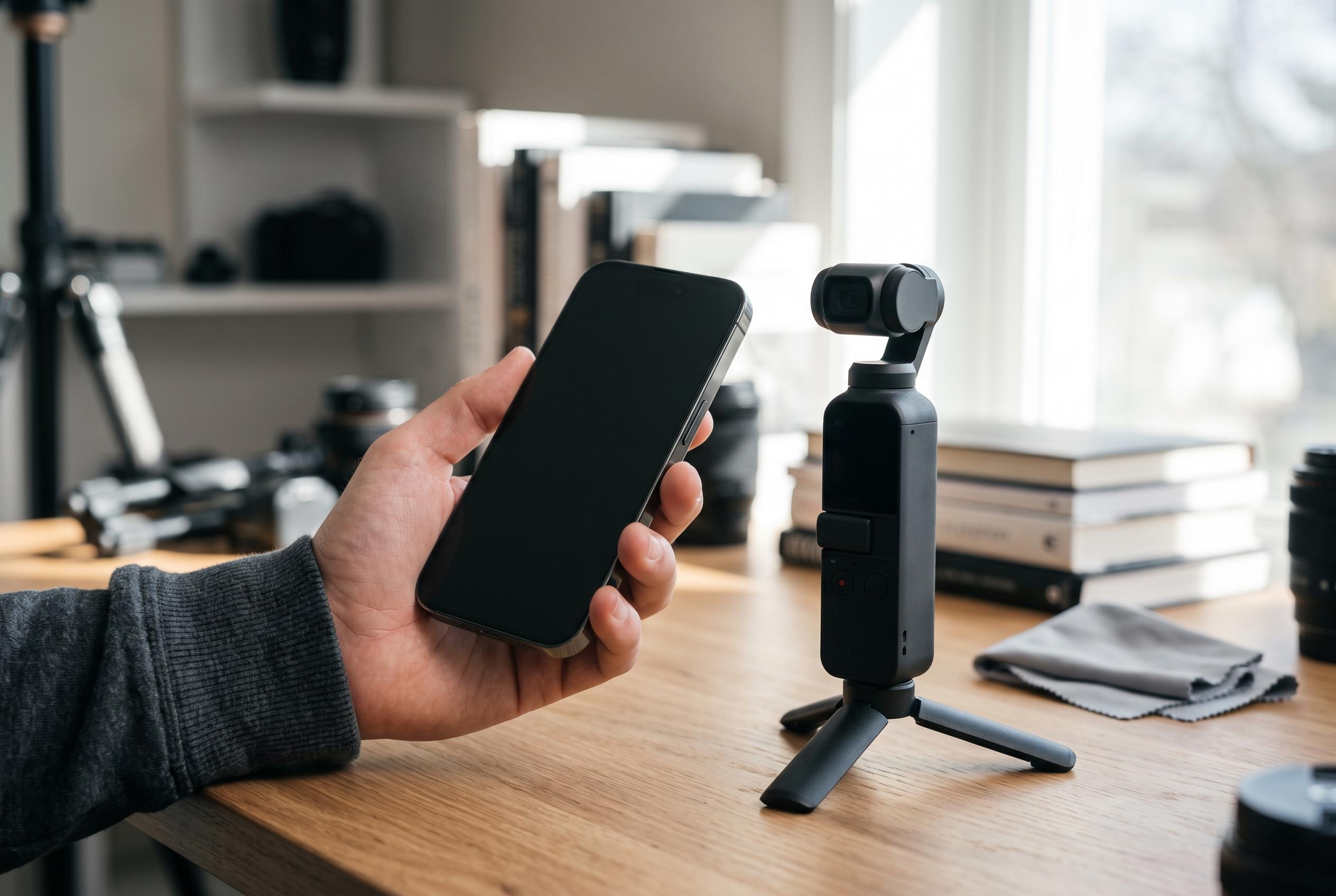

As creators decide between the all-in-one iPhone 18 Pro and the specialised DJI Osmo Pocket 4P, a new wave of handheld filmmaking tools is redefining mobile content creation with contrasting strengths in versatility and cinematic quality.
For creators weighing a single device against a more specialised tool, the comparison between Apple’s iPhone 18 Pro and DJI’s Osmo Pocket 4P comes down to intent as much as image quality. The iPhone is positioned as a flagship handset with a 48MP triple-camera system, a variable-aperture main lens and a 100mm telephoto option, while the Osmo Pocket 4P is built around a 1-inch sensor, a second telephoto camera and a mechanical gimbal aimed squarely at mobile video production. In practical terms, the former is a general-purpose device with strong imaging ambitions; the latter is a compact filmmaking rig designed for steadier footage and more deliberate shooting. According to Apple and the product coverage from Digital Camera World, that distinction is central to how each device should be judged.
Apple’s specifications show the iPhone 18 Pro using a 48MP Pro Fusion camera system with a 13mm ultra-wide lens, a main camera that can move between ƒ/1.48 and ƒ/4.0, and a 48MP telephoto lens with 100mm reach. The company also lists up to 16x optical-quality zoom range and 40x digital zoom, which underlines how much flexibility the phone is meant to provide in everyday use. MacRumors says the handset also adds Pro Controls, giving experienced users manual access to aperture, shutter speed and white balance. That combination makes the phone appealing to people who want one device to cover stills, video and general use without carrying separate kit.
By contrast, the Osmo Pocket 4P is presented by Digital Camera World and Malmö Cineworks as a purpose-built video device with a wide camera and a medium telephoto lens mounted on a three-axis mechanical stabiliser. Its 1-inch main sensor, 60mm equivalent telephoto view, 4K recording at up to 240fps and 10-bit D-Log 2 support point to a workflow aimed at controlled, cinematic capture rather than all-round convenience. ActiveTrack 8.0 and the broader DJI accessory ecosystem further reinforce that it is intended for solo creators, mobile filmmakers and users who care more about movement and consistency than about having a general smartphone in hand.
The most visible difference between the two devices is in how they render motion and colour. The iPhone relies on electronic stabilisation and computational photography, which can deliver vivid output and strong depth separation in good light, but Geeky Gadgets notes that it may also produce oversaturated skin tones and lifted midtones. The Osmo Pocket 4P takes the opposite approach, using mechanical stabilisation and a more restrained colour profile that Digital Camera World describes as more cinematic and natural. For creators who prioritise smoother footage, especially when walking or panning, the gimbal-based design has a clear practical advantage.
Low-light performance also separates the two. The iPhone 18 Pro is well suited to casual night shooting and talking-head clips, and Apple says the variable aperture is designed to improve flexibility in changing conditions. Even so, Geeky Gadgets reports that noise and overexposure can become more noticeable when light levels fall sharply. The Osmo Pocket 4P, meanwhile, is said to preserve contrast and a more film-like look in darker scenes, although its image can still break down into blotchy skin tones in very poor light. In other words, the phone leans towards convenience and computational correction, while the DJI device favours a more disciplined visual style that works best within its limits.
Price further sharpens the choice. Apple lists the iPhone 18 Pro at $1,199, placing it firmly in flagship territory. Geeky Gadgets puts the Osmo Pocket 4P in a lower band at roughly $550 to $650, which makes it considerably easier to justify as a dedicated second device. For some buyers, the strongest argument is not to choose one over the other at all. As the Geeky Gadgets comparison suggests, pairing an Osmo Pocket 4P with an older iPhone could offer a more cost-effective split between a capable phone and a specialist video camera. The decision ultimately depends on whether the user values breadth and convenience, or steadier footage and a more focused filmmaking workflow.
Disclaimer: This content is intended for informational purposes only. Readers are advised to exercise their own judgement, conduct due diligence, or consult a qualified expert before acting on any information provided.