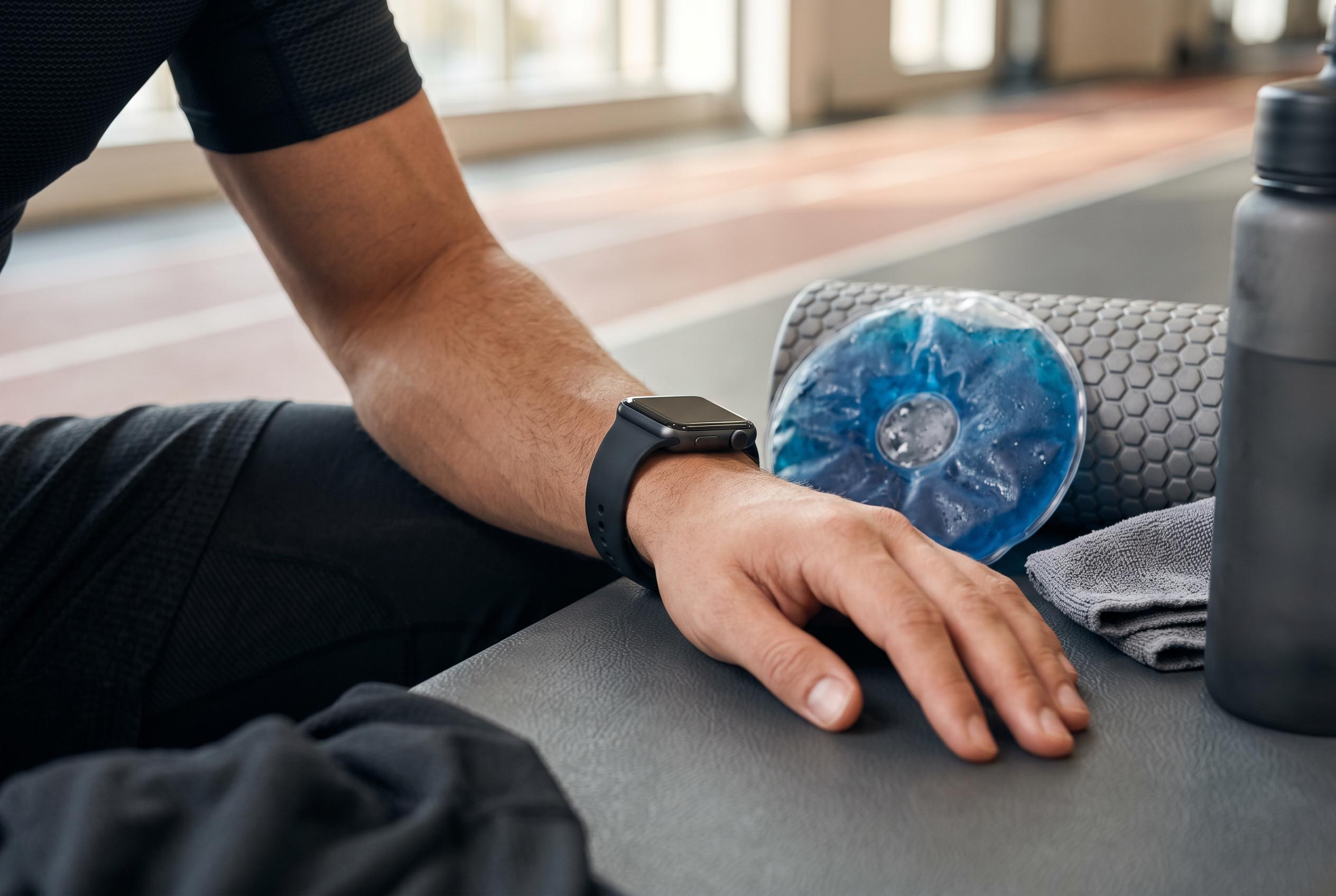

Apple’s latest smartwatch enhances its health sensing capabilities and recovery metrics, offering athletes more precise data without overloading the device, making it a significant upgrade for fitness-focused users.
Apple’s latest smartwatch does not radically alter the formula, but it does sharpen it in ways that matter to people who use a watch as a training and health tool. The Apple Watch Series 12 keeps the familiar square design and the same 42mm and 46mm case sizes, yet it adds a re-engineered Health Sensing System, a new S11 chip and a wider set of recovery and readiness tools that aim to make the device more useful between workouts as well as during them, according to Apple.
The most significant change is in health sensing. Apple says the watch now uses advanced optical and electrical sensors to collect heart-rate data at higher frequency, with background readings every five seconds and HRV measurements as often as every five minutes. The company also says an internal study involving more than 1,000 participants found the Series 12 outperformed leading wearables for heart-rate accuracy. For users who already rely on Apple Watch for exercise, the practical effect is a more detailed picture of strain and recovery, rather than a different kind of smartwatch experience.
That focus on recovery is central to the new Readiness feature. Apple says the score combines recent activity, training load, sleep, vitals and HRV to indicate whether a user is primed to train or better advised to ease off. The watch also adds Recovery HRV, which is intended to reflect short-term stress and recovery, alongside a longer-term HRV measure linked to cardiovascular health. In the BOXROX review, those readings moved in a way that broadly matched the tester’s workload across strength sessions, sleep and Hyrox training, which suggests the system is already good enough to influence daily decisions even if it is not yet the sort of laboratory-grade analysis found on more specialised endurance platforms.
Battery life remains a compromise, even if the Series 12 is better than earlier models in this respect. Apple says the watch delivers up to 24 hours of use, while 15 minutes of charging can provide up to 12 hours of additional battery life. That matters because the new health features work best when the watch is worn continuously, including overnight for sleep tracking. The review found the watch light enough for comfortable sleep use, helped by a claimed weight of 39.5g, but still something that needs a disciplined daily charging routine rather than a long weekend away from the plug.
Elsewhere, the Series 12 remains a deeply Apple product. It continues to support Apple Pay, Mac unlocking, alarms, timers and messaging, while keeping compatibility with existing straps. Apple also says the watch retains flagship health functions such as ECG, blood oxygen, sleep apnea notifications, hypertension notifications and irregular rhythm alerts, and that future software additions such as Siri Recap and Live Rewind are on the way. New finishes, including aluminium, titanium and polished ceramic options, broaden the appeal, although the ceramic versions carry a sharp price rise. Starting at £349, the Series 12 is clearly aimed at users who want serious health tracking without stepping into the more specialised, and often more expensive, world of Garmin or subscription-led rivals.
The result is a watch that is not trying to win by overload. Instead, it tries to translate more health data into something legible enough to act on, while preserving the convenience that has long made Apple Watch difficult to leave behind. For athletes who want richer readiness and recovery metrics without abandoning the Apple ecosystem, that is the real upgrade.
Disclaimer: This content is intended for informational purposes only. Readers are advised to exercise their own judgement, conduct due diligence, or consult a qualified expert before acting on any information provided.