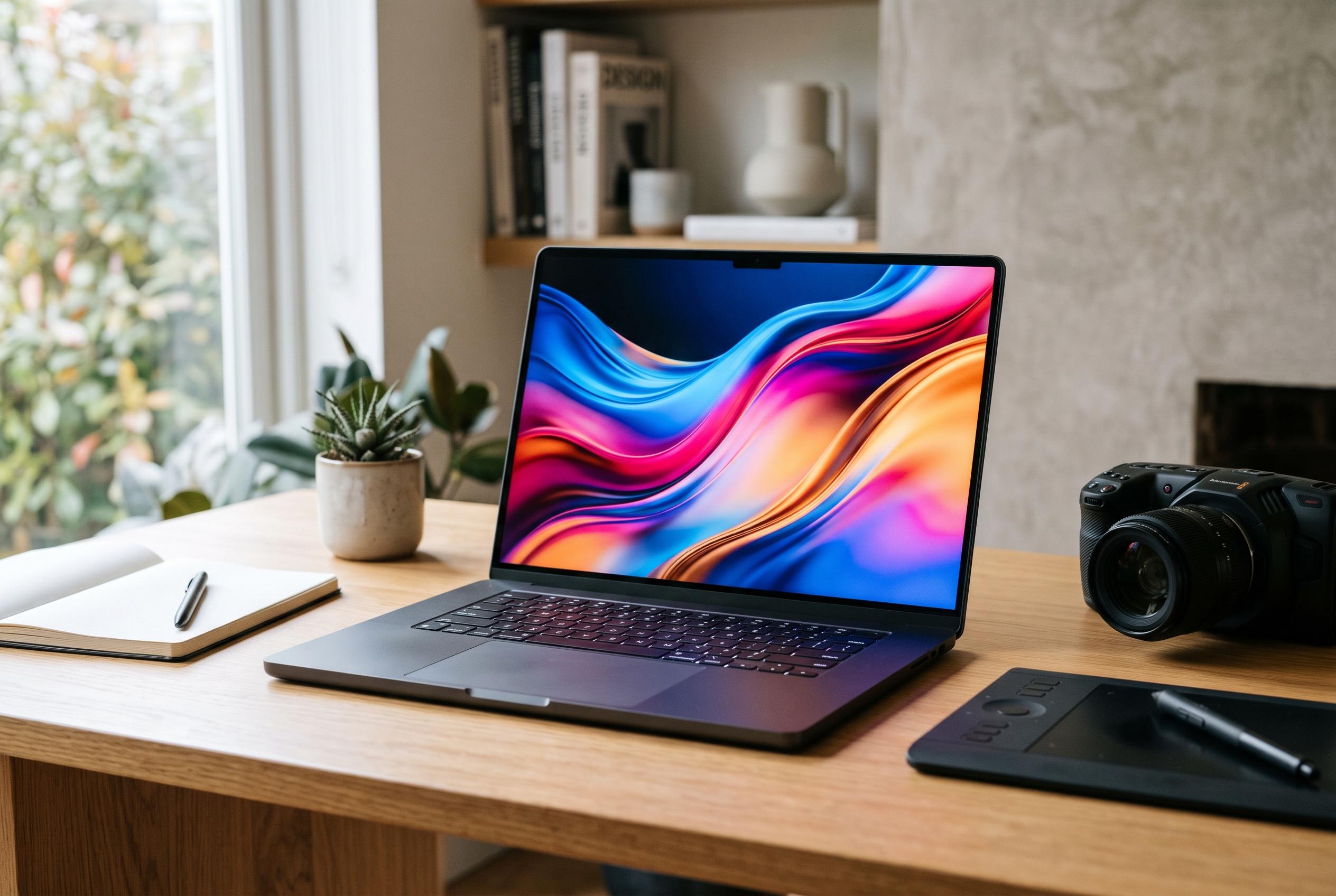

The ProArt P16 combines a 20-core ARM processor, Blackwell graphics and up to 128GB of unified memory in a slim 16-inch OLED laptop, but its premium price and software compromises limit its appeal.
Asus’s ProArt P16 H7607 is emerging as one of the clearest demonstrations yet of what Nvidia’s RTX Spark platform is meant to do. Notebookcheck’s review and other hands-on assessments describe it as a creator-focused 16-inch notebook built around a 20-core ARM processor and a 6,144-core Blackwell graphics block, with unified memory options reaching 128GB. In practice, it is aimed less at general-purpose buyers than at users who want local AI acceleration, content creation performance and enough graphics capability to handle gaming and professional workloads in a slim chassis.
What distinguishes the machine is how much hardware Asus has managed to pack into a device weighing about 3.9 pounds. According to Asus, the ProArt P16 is offered with 3K or 4K OLED screens and colour accuracy tuned for creative work, while reviewers say the display is one of its strongest points. Windows Central described the panel as vivid and the overall build as excellent, with strong cooling and well-judged input devices. Notebookcheck’s verdict was similarly favourable, pointing to very high workmanship scores, strong ergonomics and good display quality, even if mobility and emissions were more moderate.
The performance picture is more nuanced. TechRadar’s testing of Nvidia’s RTX Spark N1X platform suggests that the chip is well suited to AI tasks and creative workloads, with multi-core results that compare favourably with Apple’s latest high-end mobile silicon, although single-core performance is less competitive. Windows Central reported that graphics results can vary by workload, and that the laptop’s SSD lags some rivals. Notebookcheck also highlighted practical compromises, including compatibility issues with some applications and games, PWM flickering on the display and soldered memory, which limits future upgrades.
Battery life appears respectable rather than exceptional for a machine in this class. Windows Central said the ProArt P16 averaged roughly 10 hours in its testing, although heavy workloads cut that sharply. That places it in a familiar category for premium creator laptops: portable enough for travel, but still fundamentally a workstation replacement rather than an all-day ultrabook. Pricing is another decisive factor. Windows Central said configurations can run from about $2,799 to nearly $7,000, which makes the Asus a serious purchase even before accessory and software costs are considered. For creators and developers who can use its specialised AI and graphics hardware, though, the ProArt P16 looks like one of the most ambitious Windows laptops of the year.
Disclaimer: This content is intended for informational purposes only. Readers are advised to exercise their own judgement, conduct due diligence, or consult a qualified expert before acting on any information provided.