
Backscatter has released an extensive, methodical comparison of underwater strobes, offering photographers a detailed and standardised resource in a rapidly evolving market with increased choice and technical complexity.
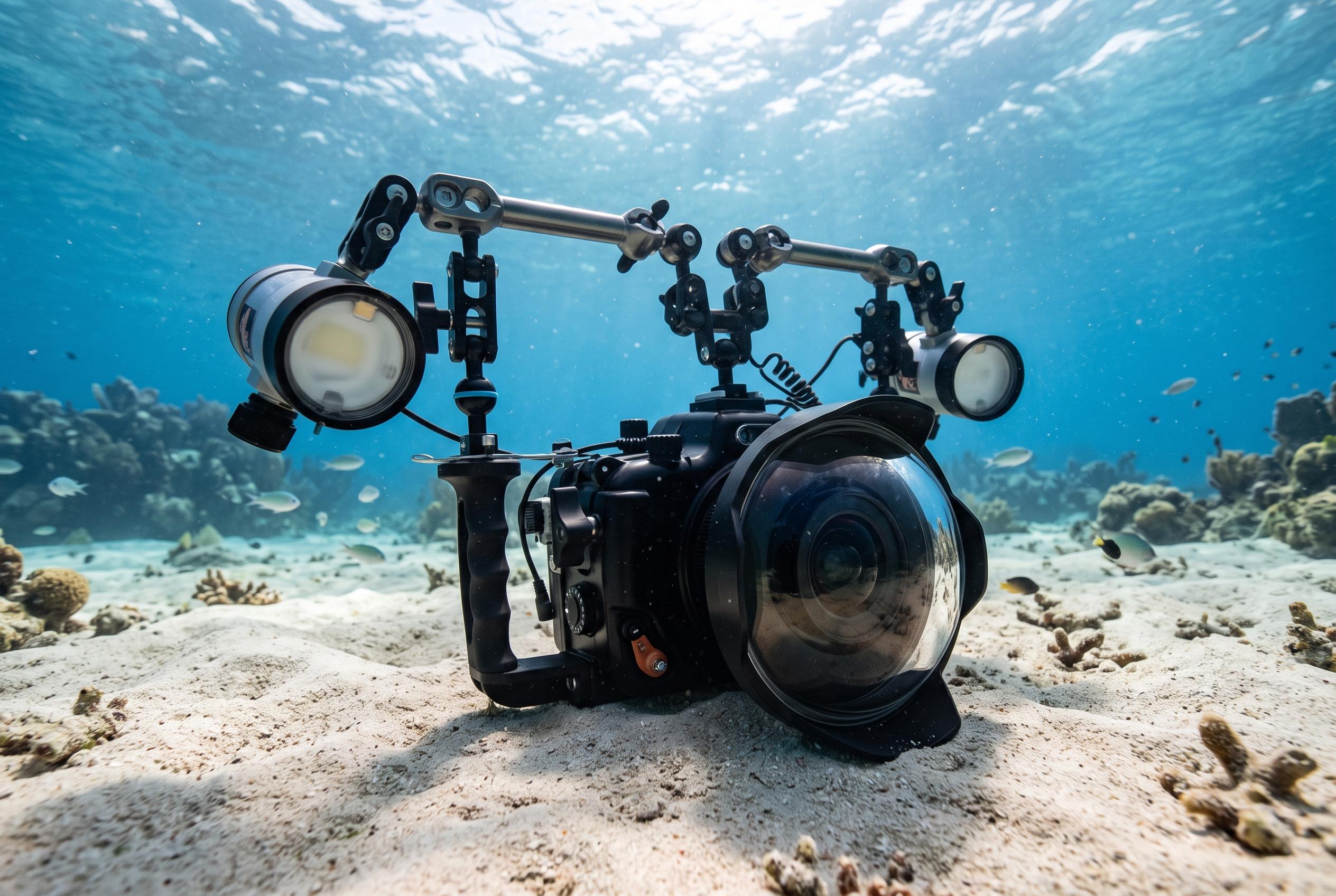
Backscatter has published a major comparison of underwater strobes that tries to bring order to a market that has become far more crowded and technically varied. The guide, which the company says was built after hundreds of hours underwater, covers a broad spread of current models and also includes some discontinued units for context. Its aim is simple: to make strobe buying less guesswork and more measurement.
The scale of the exercise matters because underwater photographers now face far more choice than they once did. Older buying decisions were often limited to a handful of familiar brands, but the current market includes established names such as INON, SEA&SEA, Ikelite and SEACAM, alongside newer entrants including AOI, Backscatter, Isotta, Kraken Sports and Retra. At the same time, the feature list has become more complex, with high-speed sync, remote control functions and integrated lights joining the usual concerns over guide numbers, beam shape, recycle time and colour temperature.
Backscatter says it standardised the process by using the same equipment, conditions and criteria for each strobe. Its testing covers maximum power, beam pattern, recycle time, colour temperature, weight, flash duration and power consistency, with the article also explaining how those measurements were taken. That matters because strobe makers do not always measure specifications in the same way, which can make published figures difficult to compare directly. The company’s article also uses interactive graphics to let readers compare beam patterns and recycle times side by side, making the data easier to interpret.
The guide is also notable for how much space it gives to methodology. Backscatter says roughly half of the piece is devoted to testing methods and basic terminology, which should help readers who are new to lighting gear or uncertain about which specifications are actually useful. It is not a quick buyer’s guide, but it is designed to be a practical reference for photographers who want to assess performance rather than rely on marketing claims. Backscatter says it will continue adding new strobe models as testing progresses.
Disclaimer: This content is intended for informational purposes only. Readers are advised to exercise their own judgement, conduct due diligence, or consult a qualified expert before acting on any information provided.