
The Chuwi UniBook, a $449 Windows laptop powered by Intel’s Wildcat Lake platform, faces criticism for hardware imbalance and underwhelming user experience amid rising budget device competition.
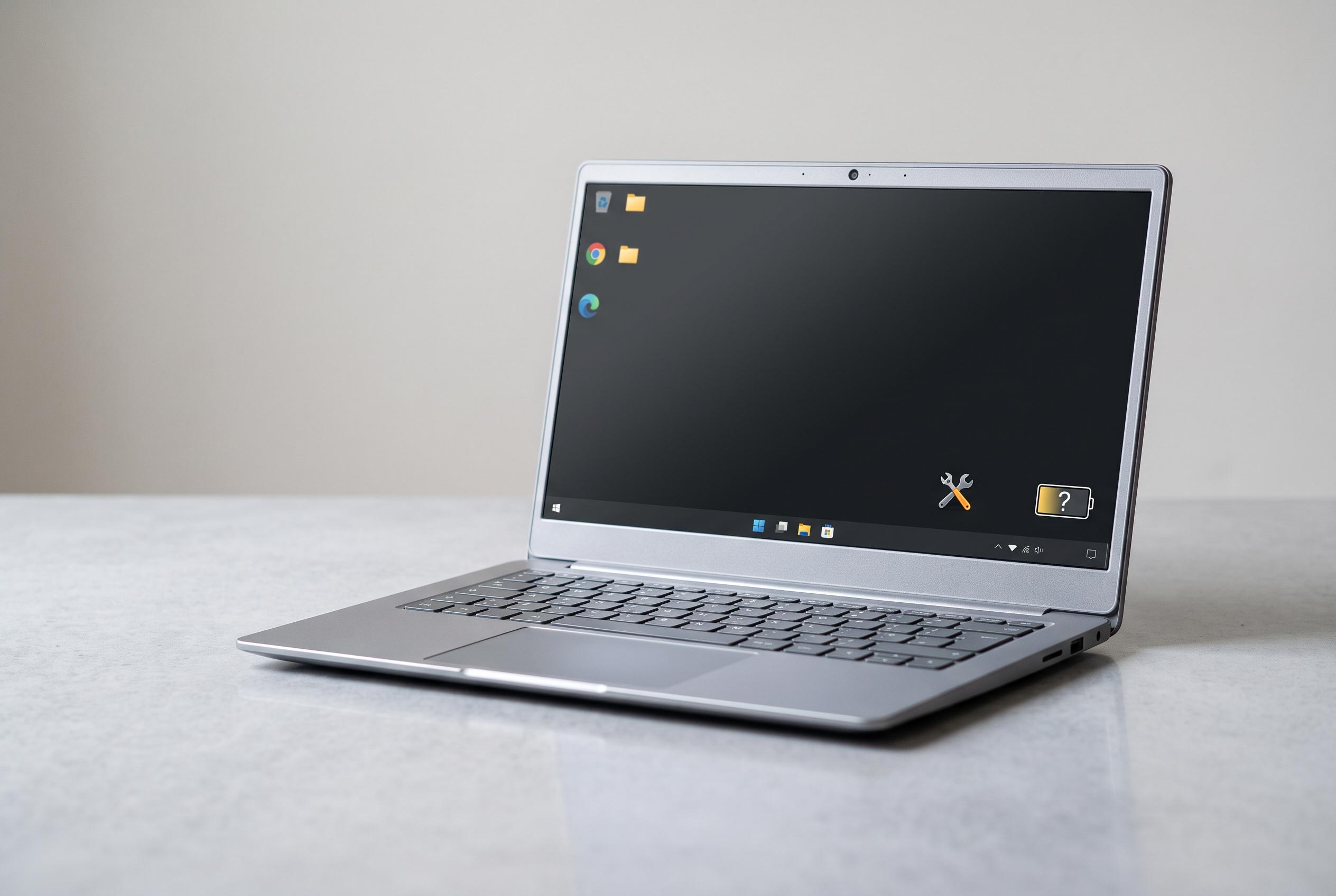
The Chuwi UniBook arrives with a simple pitch: a 14-inch Windows laptop for $449, built around Intel’s new Wildcat Lake platform, with an aluminium chassis and enough ports to look more ambitious than its price suggests. In practice, The Verge found that the machine’s value proposition collapses as soon as it is used for anything beyond the most basic work. Chuwi’s own listing describes it as a lightweight productivity laptop with 8GB of LPDDR5 memory, a 256GB SSD and a 53.38Wh battery, while launch coverage from Gizmochina put the pre-order price at $449 and framed it as a budget AI-ready device.
At the centre of the problem is hardware balance. The Verge said the UniBook is equipped with Intel’s Core 3 304, the entry-level Wildcat Lake chip, with just five CPU cores and one graphics core. That limited configuration, combined with only 8GB of soldered RAM, leaves the laptop struggling under Windows 11 even during routine multitasking. The review said web browsing, email and messaging were manageable, but Chrome crashes, sluggish file transfers and heavy slowdowns appeared once memory use climbed.
The screen and input devices undermine the experience further. The Verge described the display as washed out and dim, and TechRadar similarly reported only 63% sRGB coverage, a sign of weak colour reproduction for a modern IPS panel. The trackpad drew some of the harshest criticism, with The Verge calling its click mechanism extremely stiff and fatiguing to use. Speakers and webcam also scored poorly, while the keyboard was merely acceptable. Chuwi’s product materials, by contrast, stress a WUXGA panel, a privacy shutter and a compact 1.2kg body, but those specifications did not translate into a polished user experience in review.
Battery life is one of the few areas where the UniBook performs credibly. The Verge said it could reach about 10 hours in light use, while TechRadar recorded more than 20 hours in testing, suggesting the chip is efficient when the workload stays modest. Chuwi claims up to 13 hours of video playback from the 53.38Wh battery and includes 65W USB-C charging. Even so, the reviewer argued that endurance cannot compensate for a machine that feels compromised in basic daily use.
Port selection is unusually generous for a budget laptop, and that is the UniBook’s most striking strength on paper. The Verge noted five USB ports, HDMI, microSD and Ethernet, while Chuwi’s specifications add Wi-Fi 6, Bluetooth 5.2 and a 3.5mm audio jack. But the review also pointed out that the ports are slow by current standards, with USB limited to 5Gbps and HDMI 1.4b restricting 4K output to 30Hz. The result is a machine that looks versatile but still leaves buyers with too many compromises, especially when stronger alternatives are already available around the same price.
The bigger concern is not just the UniBook itself but what it says about the bottom end of the laptop market. The Verge questioned Chuwi’s long-term support, citing the company’s lack of established US service infrastructure and earlier controversy over machines shipped with older AMD chips presented as newer models. TechRadar was more forgiving, recommending the UniBook only for very light tasks, but both reviews point in the same direction: the laptop is too uneven to be a sensible buy, even as budget Windows machines become more important in a period of rising component costs.
Disclaimer: This content is intended for informational purposes only. Readers are advised to exercise their own judgement, conduct due diligence, or consult a qualified expert before acting on any information provided.