
The Coros POD 2 emerges as a key tool for runners seeking precise indoor pace and form data, matching a growing demand for targeted feedback in indoor workouts and challenging GPS reliability.
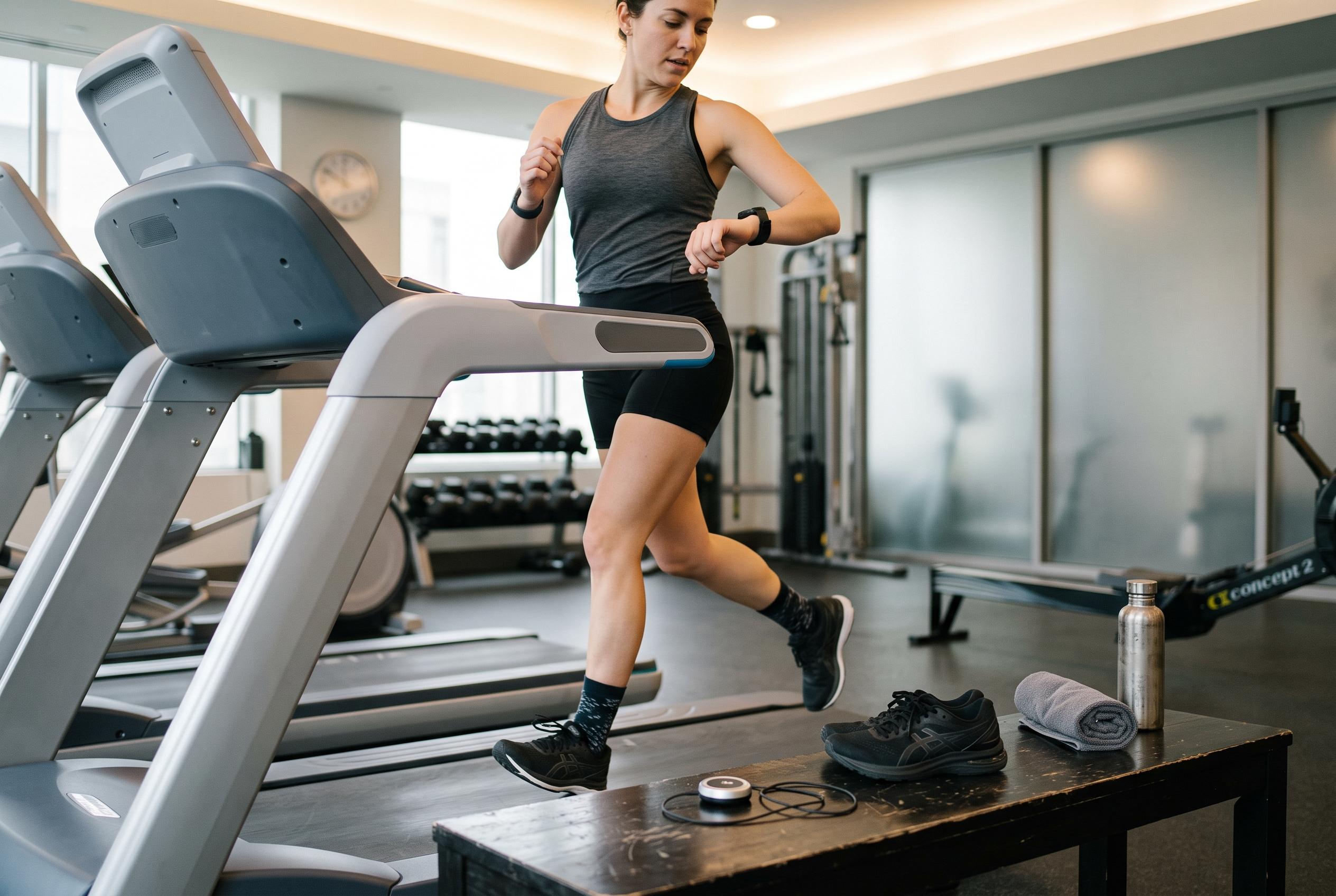
Indoor training has become more exacting, and more useful, as runners increasingly expect precise feedback from every session. On a treadmill or indoor track, GPS alone often falls short, which is why foot-mounted sensors, chest straps and reactive training tools have gained traction. According to COROS, the POD 2 is built to improve the accuracy of pace and distance data by measuring movement directly from the foot or body, while its compact form and water-resistant design make it suitable for regular training use.
For runners who already use COROS hardware, the POD 2 is the clearest match for indoor mileage tracking. COROS says the sensor can be worn on the shoe or waistband, and that it delivers real-time pace, post-run analysis and running-form data, with up to 25 hours of active use or 40 days in standby. Independent reviews from RunMorph, Tom’s Guide and 220 Triathlon all point to the same practical strength: the device is most valuable indoors or in poor GPS conditions, where watch-based tracking is less reliable, but its usefulness is constrained by compatibility with COROS watches.
Not every good indoor-training tool is a foot pod. REI’s guidance on the Garmin HRM 600 positions it as a strong companion for data-driven runners who want heart-rate and heart-rate-variability tracking as well as treadmill pace and distance sent to compatible watches. It also adds running-dynamics measures, which makes it more of an all-round performance strap than a simple sensor. For athletes already inside Garmin’s ecosystem, that breadth may matter more than a dedicated foot pod, particularly when indoor sessions are part of a wider training plan.
The same logic applies to BlazePod’s reaction-training kits, which are designed for agility, balance, speed and decision-making rather than run-metric capture. Their app-led drills are aimed at footwork and reactive movement, making them better suited to soccer players, coaches and athletes who want structured indoor coordination work. In that sense, they complement running rather than replace a sensor: they are useful when the goal is quicker movement and cleaner change-of-direction mechanics, not treadmill distance.
The wider roundup also includes minimalist shoes and a conventional lightweight trainer for runners who care more about how they move than what they measure. The Vibram FiveFingers V-Run and KSO appeal to experienced users who want low-profile, flexible footwear for treadmill or gym sessions, while the New Balance FuelCell Rebel V5 is the more conventional option for runners seeking a responsive indoor shoe. Taken together, the best choice depends on the problem being solved: accurate indoor pace, broader biometric tracking, reactive footwork or simply a better platform for treadmill running.
Disclaimer: This content is intended for informational purposes only. Readers are advised to exercise their own judgement, conduct due diligence, or consult a qualified expert before acting on any information provided.