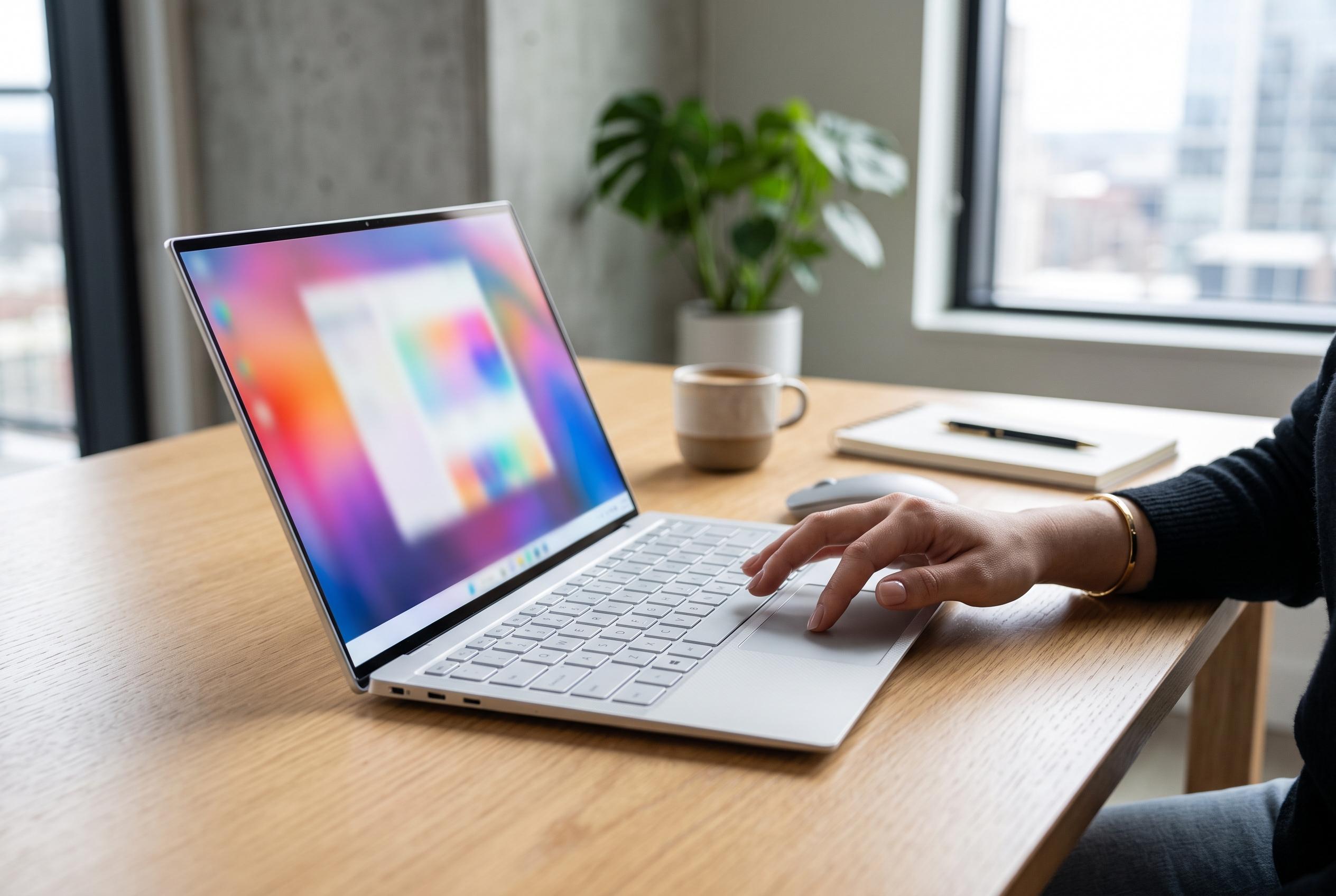

Dell launches a budget-friendly XPS 13 that defies expectations with a sleek design, strong display, and remarkable battery performance, offering a compelling alternative in the entry-level Windows market.
Dell’s new XPS 13 arrives as a rare thing in the entry-level Windows market: a cheap laptop that does not look or feel cheap. In a category often defined by thin plastic shells, dim screens and compromised keyboards, the machine keeps the premium XPS styling, a fully metal chassis and an unusually polished finish for the price. XDA’s review said the design does most of the work here, but the broader verdict from Tom’s Hardware, Tom’s Guide and PCWorld is similar: this is a compact, well-built 13.4-inch laptop that punches above its cost in appearance and day-to-day usability. According to Dell’s launch pricing, it starts at $699, or $599 for students.
The display is one of the strongest arguments for buying it. Reviewers described the 13.4-inch touchscreen as sharp, bright and colour-rich, with a 2.5K resolution and a variable refresh rate that can scale up to 120Hz. XDA measured strong colour coverage and brightness, while other reviews echoed that it is well suited to streaming, web browsing and general productivity. The keyboard is also more conventional than on some recent XPS models, with a standard chiclet layout that several reviewers found easier to live with than Dell’s more experimental designs.
Performance, however, sets clear boundaries. The launch model uses Intel’s Core 5 320, part of the low-power Wildcat Lake family, and the consensus is that it is adequate for browsers, documents and video playback rather than demanding creative work. XDA said the chip is fine for everyday tasks but not for gaming, editing or transcoding, while Tom’s Guide and Tom’s Hardware both warned that the 8GB configuration can feel cramped when multitasking. That limitation matters because Dell charges extra for the 16GB option, and several reviews argue that 16GB is the more sensible choice if the machine is expected to last.
Battery life is another bright spot. XDA recorded 16 hours and 40 minutes in a video playback test, while Tom’s Guide reported roughly 14 hours, enough to place the laptop among the longer-lasting compact Windows machines in its class. That endurance, combined with a 2.2-pound weight and slim profile, makes the XPS 13 easy to recommend for students, commuters and anyone who mainly needs a portable machine for light work. The trade-offs remain plain: there are only two USB-C ports, no headphone jack and no obvious path to serious performance, but for basic computing Dell appears to have built a credible low-cost alternative to the MacBook Neo rather than a cut-price compromise.
Disclaimer: This content is intended for informational purposes only. Readers are advised to exercise their own judgement, conduct due diligence, or consult a qualified expert before acting on any information provided.