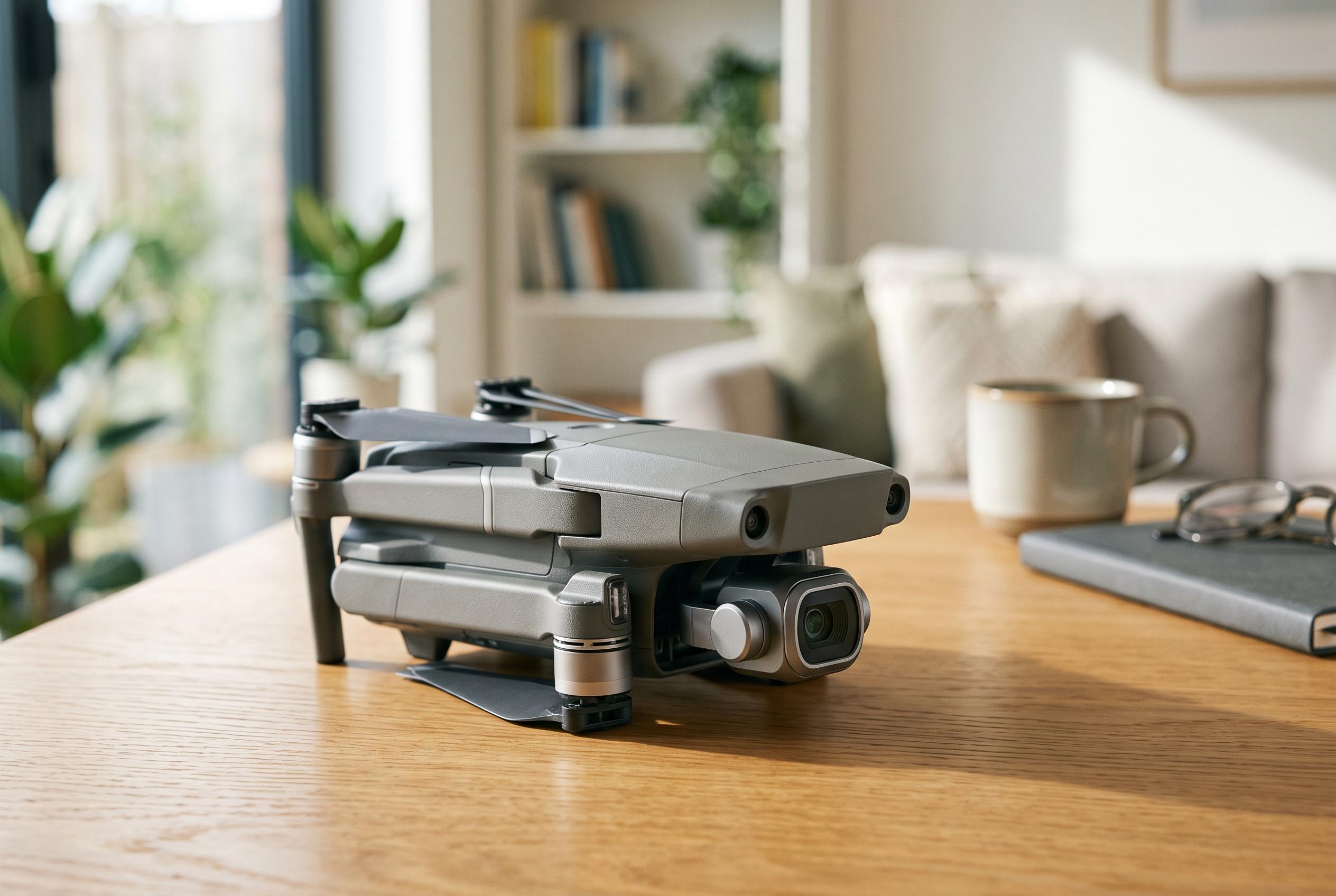

The DJI Mini 2 SE struggles to stand out in 2026 as DJI’s Mini 4K closely matches its features, redefining entry-level drones with a focus on pricing and camera quality.
The DJI Mini 2 SE’s challenge in 2026 is not that it has forgotten how to fly. It is that DJI’s own Mini 4K has reset expectations at the bottom of the market. Across recent comparisons and reviews, the older aircraft is still treated as competent, portable and beginner-friendly, but increasingly only as a buy-if-cheap option rather than the default entry point into the brand.
That shift is notable because most reviewers describe the two drones as almost the same machine. TechRadar calls the Mini 4K “essentially the same drone” as the Mini 2 SE, while Maison du Drone said in a comparison updated on 24 March 2026 that both models share the same folding body, the same sub-250g class, the same DJI O2 transmission system and the same quoted endurance of up to 31 minutes. The French site also says the Mini 2 SE’s RC-N1 controller and the Mini 4K’s RC-N1C are physically identical, which underlines how little of the flying experience changed.
For novice pilots, that is still a meaningful strength. Digital Camera World describes the Mini 2 SE as “affordable” and argues that DJI’s execution remains stronger than many rivals even when competitors can match a few headline features. Maison du Drone’s standalone test places the model between the Mini SE and the Mini 2, effectively a Mini 2 airframe with the older Mini SE camera, and says it remains a “very interesting solution for beginners”, occasional flyers and buyers who want a dependable aircraft without moving up to a more expensive range.
The compromise sits overwhelmingly in the camera system. The Mini 2 SE records at up to 2.7K at 30 frames per second, while the Mini 4K moves to 4K at the same frame rate. TechRadar says that step up also enables a 2x digital zoom and brings a 100Mb/s bitrate. Maison du Drone lists the Mini 2 SE at 40Mb/s. DroneWaz says the difference is visible in fine detail such as foliage, building edges and text-heavy scenes, and becomes more important when footage is cropped or reframed during editing.
That does not mean the Mini 2 SE is poor. DroneWaz argues that it remains perfectly adequate for holiday clips and social posting, particularly when most viewing happens on phones. Maison du Drone makes a similar case, saying that buyers who do not need 4K can still see it as a practical route into DJI’s ecosystem. Even so, both TechRadar and Maison du Drone arrive at the same commercial conclusion: DJI has “priced its successor aggressively”, and where the gap is only around 20 euros, the newer model is the easier recommendation.
Battery figures are another area where the Mini 2 SE looks better on paper than in realistic use. Digital Camera World says it has doubts about “how close the drone will ever get to the claimed 31-minute battery time”, despite remaining positive on the aircraft overall. Reviewers are much more confident about the basics of flight performance. Maison du Drone lists a 16m/s top speed in Sport mode and 10.7m/s wind resistance for both drones, but also stresses that neither includes obstacle detection. That point matters: these are accessible camera drones, not aircraft that can be relied on to protect themselves.
The buying case therefore turns on total cost rather than raw capability. Maison du Drone says the Mini 2 SE originally sold for 349 euros in its basic pack and 489 euros in its Fly More bundle, with the standard kit including the RC-N1 controller, spare propellers, a gimbal protector and data cables. In the second-hand market, those details are not minor. A body sold cheaply without healthy batteries, a proper controller or basic accessories can become a false economy within days.
There is some disagreement over how narrow the gap really is. DroneRules.world lists both drones at $299 and even suggests the Mini 2 SE may suit buyers who value a small speed advantage for more dynamic shots. However, that sits uneasily beside the more hands-on reporting from TechRadar and Maison du Drone, both of which present the aircraft as functionally alike in the air and separated mainly by recording quality. The balance of evidence points to pricing as the true differentiator, not manoeuvrability.
So the Mini 2 SE has not become irrelevant in September 2026. It has become specialised. It still makes sense for daylight travel footage, simple editing and first-time flying, especially for buyers who value DJI’s software, its 3-axis gimbal and the compact sub-250g format more than they value 4K capture. But it should now be treated as a discount or used-market proposition. If the saving is small, the Mini 4K answers the same beginner brief with fewer compromises and a longer useful life.
Disclaimer: This content is intended for informational purposes only. Readers are advised to exercise their own judgement, conduct due diligence, or consult a qualified expert before acting on any information provided.