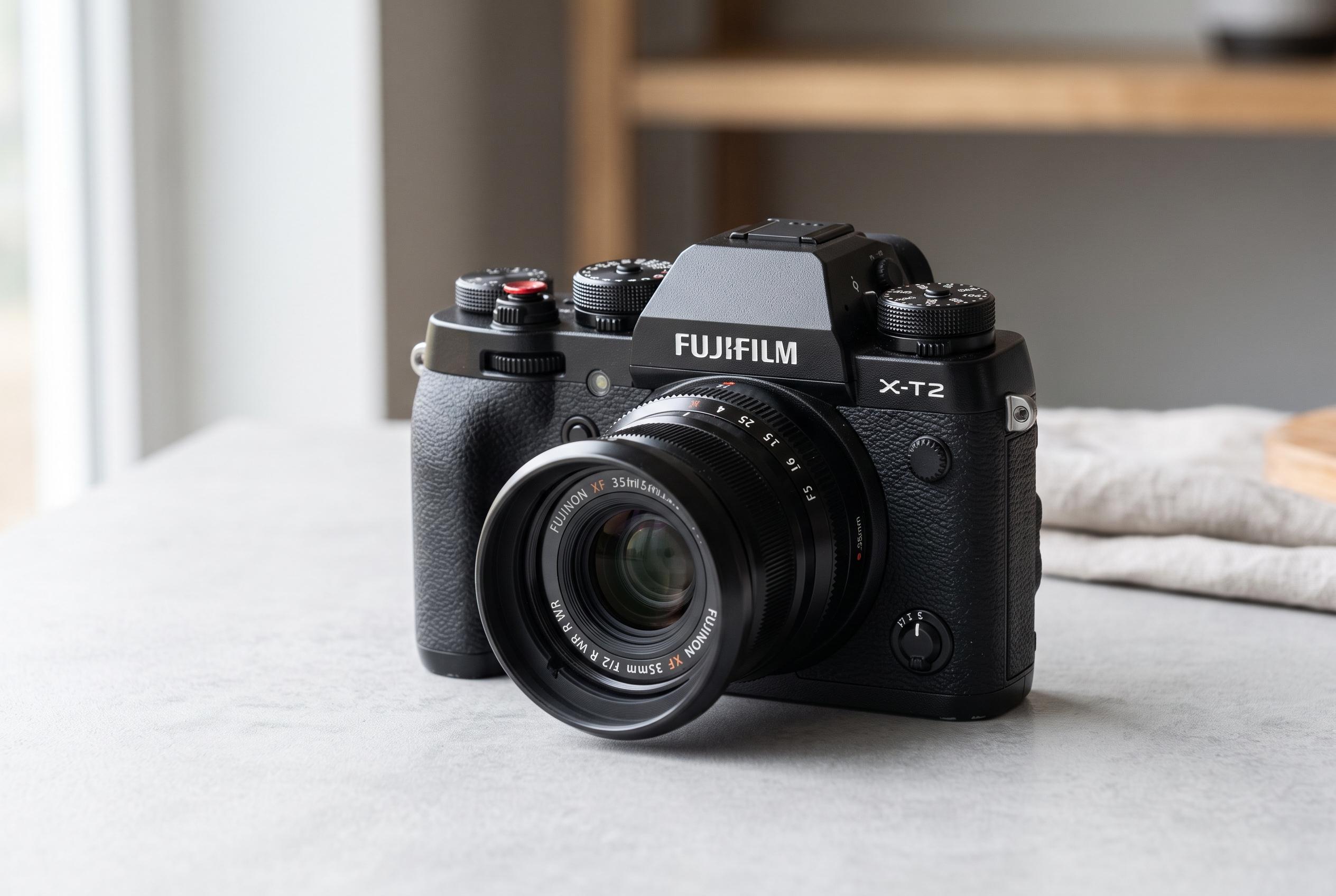

A decade on, the Fujifilm X-T2 continues to appeal to photographers prioritising tactile controls, strong JPEGs and durability, despite its age and some technological limitations.
A decade after its launch, the Fujifilm X-T2 remains a camera with a clear appeal: tactile controls, strong JPEG output and a handling experience that many newer bodies have moved away from. The Phoblographer’s 2026 update argues that those strengths still matter in real use, particularly for photographers who value speed, direct control and minimal post-processing. The magazine’s tester used the camera on a paid event and found that it still delivered files that were ready to hand over quickly, while the dial-led layout made it easy to change settings without digging through menus. TechRadar and DPReview have long made similar points, noting the X-T2’s polished ergonomics, large electronic viewfinder and Film Simulation modes.
The camera’s physical design remains a major part of its case. The Phoblographer says the grip is comfortable even during long days, and that pairing the X-T2 with a modern APS-C zoom such as the Tamron 17-70mm F2.8 creates a practical all-round setup for events, travel and street work. Oracle Review also highlights the body’s weather resistance, dual SD card slots and 24.3-megapixel APS-C sensor, while DPReview points to the magnesium alloy construction and articulated screen. In practice, that combination still makes the X-T2 feel more like a photographer’s tool than a stripped-down retro exercise.
It is not without clear limitations. The Phoblographer says autofocus remains the camera’s biggest weakness, especially in low light and when tracking faces, including those of people of colour. That aligns with older professional coverage that praised the system as a major improvement over earlier Fujifilm models, but still placed it behind more recent rivals in difficult conditions. TechSpot also flags battery life and the lack of in-body stabilisation as drawbacks, both of which matter more in 2026 than they did at launch. The camera’s outdated Fujifilm Camera Remote app is another nuisance for anyone who expects modern wireless integration.
Even so, the used-market question is where the X-T2 becomes most interesting. The Phoblographer says clean examples now tend to sell for roughly $700 to $900 without a lens, which is high for a body of this age, but still below the level of some sellers asking around $1,000. That pricing reflects a simple reality: the X-T2 still offers a distinctive mix of usability, image quality and physical controls that many photographers continue to prefer. For buyers who want a capable APS-C camera and are comfortable working within its autofocus and connectivity limits, it remains a plausible purchase in 2026.
Disclaimer: This content is intended for informational purposes only. Readers are advised to exercise their own judgement, conduct due diligence, or consult a qualified expert before acting on any information provided.